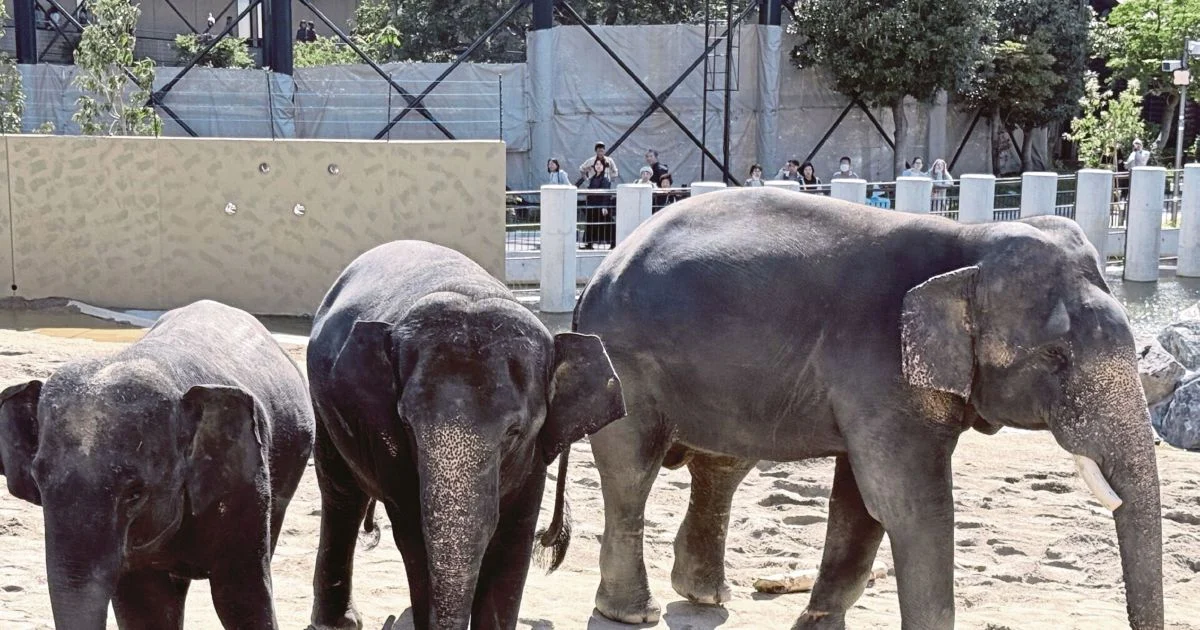
The Malaysian Anti-Corruption Commission has opened an investigation into the relocation of three Asian elephants from Zoo Taiping to Tennoji Zoo in Osaka, Japan, signalling heightened scrutiny over the controversial animal transfer. The move marks the first formal inquiry into what has become an increasingly contentious issue within Malaysia's wildlife management sector, with concerns spanning both procedural compliance and potential irregularities in how the agreement was negotiated and executed.
The transfer of the three elephants represents one of the largest movements of Malaysian wildlife to a foreign institution in recent years. Zoo Taiping, located in Perak and one of Malaysia's most established zoological facilities, has long maintained a significant Asian elephant population that has drawn visitors and played a role in the zoo's conservation narrative. The decision to send three of these animals to Tennoji Zoo in Osaka has sparked considerable debate among animal welfare advocates, conservationists, and public interest groups across the country.
Investigations by Malaysia's anti-corruption authority typically centre on allegations of misconduct, breach of fiduciary duty, or improper use of public resources. The involvement of MACC suggests that concerns have been raised regarding the propriety of the transfer process, potentially including questions about whether proper approval mechanisms were followed, whether the arrangement represented value for Zoo Taiping and Malaysian conservation interests, and whether decision-making processes adhered to established guidelines for wildlife management and international animal movement protocols.
The timing of the MACC inquiry reflects growing public and institutional interest in ensuring accountability within Malaysia's zoological and wildlife sectors. Zoo Taiping operates under state jurisdiction in Perak, but any international transfer of protected species involves federal wildlife authorities and must comply with regulations governing the Convention on International Trade in Endangered Species of Wild Fauna and Flora (CITES). This multi-layered regulatory environment means that establishing clarity about which approvals were obtained and by whom has become central to understanding whether procedures were properly observed.
Animal welfare and conservation communities within Southeast Asia have closely monitored the transfer. Proponents of the move have argued that Tennoji Zoo offers comparable or superior facilities and participates in international breeding programmes that benefit Asian elephant populations. Critics, however, have questioned whether relocating elephants from their native region serves conservation objectives and have raised concerns about the precedent such transfers might establish for wildlife management in Malaysia. The MACC investigation will likely examine whether these competing considerations were adequately weighed in the decision-making process.
The composition of Zoo Taiping's elephant herd and the selection criteria for which three animals were transferred remain subjects of scrutiny. Zoo professionals emphasise that animal relocation decisions involve complex assessments of individual health, herd dynamics, genetic diversity within captive populations, and institutional partnerships. Whether such specialist considerations appropriately influenced the transfer decision, or whether other factors predominated, falls within the scope of investigative review. Documentation of the evaluation process and evidence of independent assessment will prove crucial to the inquiry.
International dimensions add layers of complexity to the investigation. Tennoji Zoo's reputation and the presence of established Japanese-Malaysian relations in zoological cooperation provide legitimate context for the arrangement. However, any such transfer must satisfy Malaysian wildlife authorities and comply with export regulations before animals can legally leave the country. The MACC will need to verify that all requisite permits were obtained through proper channels and that wildlife authorities at both state and federal levels formally endorsed the arrangement before animals departed.
The financial implications of the transfer also warrant examination. Zoo operations involve substantial costs, and international animal transfers incur expenses related to veterinary care, transport, quarantine, and facility preparation. Whether Zoo Taiping received appropriate compensation, whether any public funds were involved, and whether the financial terms of the arrangement were transparent and competitive constitute legitimate areas of inquiry. Documentation of contractual arrangements, correspondence between institutions, and financial flows will form part of the investigative record.
This investigation occurs within a broader context of enhanced public interest in institutional accountability and wildlife conservation governance. Malaysia's position as a megadiverse nation hosting significant populations of endangered species creates both responsibility and opportunity regarding how wildlife is managed domestically and presented internationally. How authorities handle the Zoo Taiping matter will influence public confidence in wildlife management institutions and may establish precedents for how future international animal transfers are evaluated and authorised.
The MACC probe represents an important checkpoint in Malaysia's governance of wildlife resources. Irrespective of the investigation's ultimate findings, the process itself serves to clarify procedures, establish accountability mechanisms, and reinforce expectations that decisions affecting nationally significant wildlife must be made through transparent, properly documented processes. For Malaysia's zoological and conservation sectors, the inquiry underscores that institutional standing and international cooperation rest fundamentally upon meeting rigorous standards of administrative integrity and compliance with applicable law.

