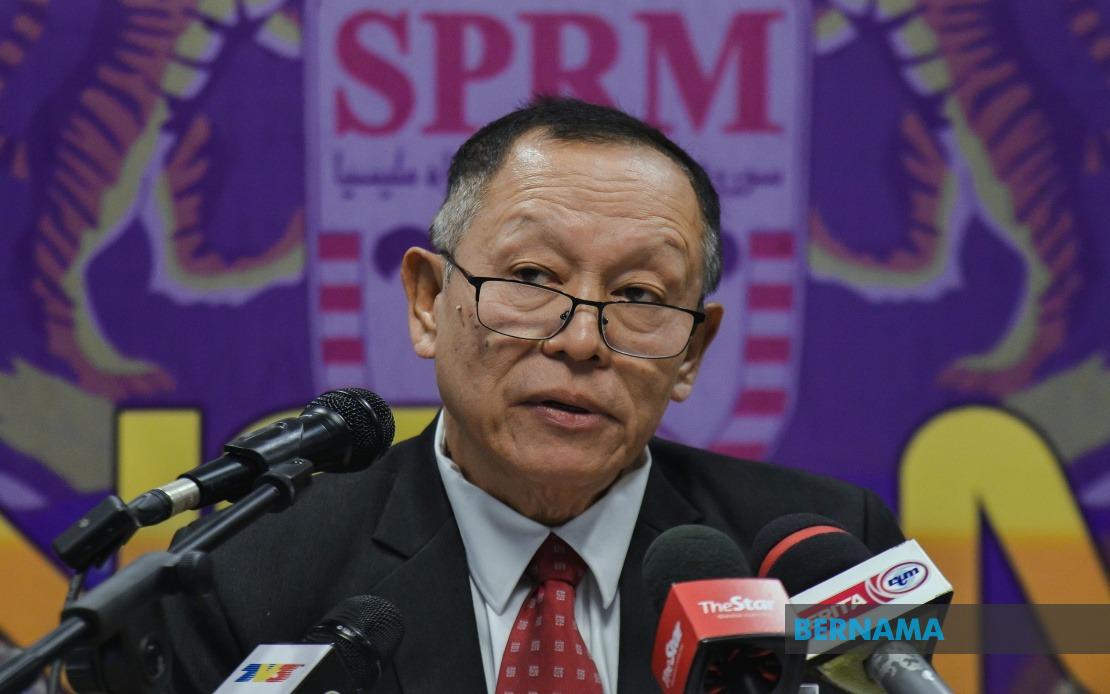
The Malaysian Anti-Corruption Commission has concluded its intensive questioning of a former chief financial officer regarding serious allegations of misconduct within Lembaga Tabung Haji, the statutory fund that manages savings for Malaysian Muslims undertaking the Hajj pilgrimage. The interrogation spanned four full days at MACC headquarters in Putrajaya, with the final session running from 9 am to 6:30 pm, according to a statement from MACC chief commissioner Datuk Seri Abd Halim Aman released on August 7.
The investigation centres on allegations that the 60-year-old former executive exploited his position of authority to facilitate the acquisition of shares in two plantation companies valued at approximately RM370 million. This transaction became a focal point in the Royal Commission of Inquiry's examination of Tabung Haji's governance and financial decision-making, triggering heightened scrutiny from anti-corruption authorities determined to establish whether proper protocols were followed and fiduciary duties upheld.
The subject of the inquiry arrived at MACC offices voluntarily on Tuesday alongside the former chief executive officer of the statutory body-owned entity, though both were detained during the course of their statements. The four-day duration of questioning suggests investigators sought exhaustive detail regarding the decision-making process, internal approvals, and the rationale provided for committing such a substantial portion of the institution's capital to equity holdings in agricultural enterprises.
Tabung Haji occupies an exceptional position within Malaysia's financial architecture, serving as custodian of savings accumulated by millions of Malaysians earmarked specifically for their religious obligation to perform the Hajj. Any erosion of confidence in its stewardship carries profound implications beyond ordinary corporate malfeasance, touching directly on public trust in religious and financial institutions. The RM370 million transaction represents a considerable proportion of the fund's investable assets, making the circumstances surrounding its execution particularly material to stakeholders and regulators alike.
The Royal Commission of Inquiry that precipitated this investigation was established to examine governance failures and questionable financial decisions at Tabung Haji over recent years. Previous revelations regarding the fund's performance and asset allocation strategies had prompted public concern about management competence and ethical conduct. The RCI's report identifying the plantation share purchase as potentially problematic has vindicated those concerns and provided prosecutorial authorities with a specific focal point for investigation.
Investigators will scrutinise whether requisite approvals were obtained from the board of directors and whether independent valuations supported the RM370 million price tag. Equally significant is whether the transaction served the fund's core mandate or whether it represented a departure from prudent investment principles. The allegation of abuse of power suggests prosecutors suspect decision-making processes were either bypassed or manipulated, potentially with the knowledge or connivance of senior executives.
The detention of both the former CFO and former chief executive, even during a voluntary statement-taking process, indicates investigators possess substantive evidence warranting heightened scrutiny. Malaysian anti-corruption law permits detention during questioning when authorities suspect flight risk or potential obstruction, suggesting MACC believes both individuals may possess material knowledge regarding improper conduct and represent persons of interest rather than mere witnesses.
For Malaysian investors and savers, particularly the millions holding accounts with Tabung Haji, these developments underscore the importance of institutional accountability mechanisms and robust oversight. The RCI process has already examined board composition, audit procedures, and internal controls; this criminal investigation represents the enforcement stage where individual responsibility for institutional failures comes into sharper focus.
The conclusion of statement-recording does not necessarily signal imminent charging decisions. MACC typically requires additional time to corroborate accounts with documentary evidence, consult forensic accountants regarding transaction flows, and interview additional witnesses who may have participated in approval processes or subsequent transactions related to the plantation acquisitions. The complexity inherent in examining RM370 million in capital deployment typically requires several weeks or months for thorough investigation completion.
Regional observers note that this inquiry reflects broader efforts across Southeast Asian jurisdictions to strengthen accountability within large institutional investors managing public funds. Indonesia, Singapore, and Thailand have similarly undertaken high-profile investigations into sovereign wealth funds and statutory authorities suspected of governance lapses, signalling heightened enforcement priorities among regional financial regulators.
For Tabung Haji itself, this investigation compounds an already challenging period of reputational and operational recovery. Management faces the dual burden of convincing stakeholders that governance failures have been addressed whilst simultaneously demonstrating that current leadership operates under enhanced scrutiny designed to prevent recurrence of flagrant decision-making. Institutional reform initiatives announced by the fund's current leadership will be judged partly on whether they successfully prevent future misconduct.

