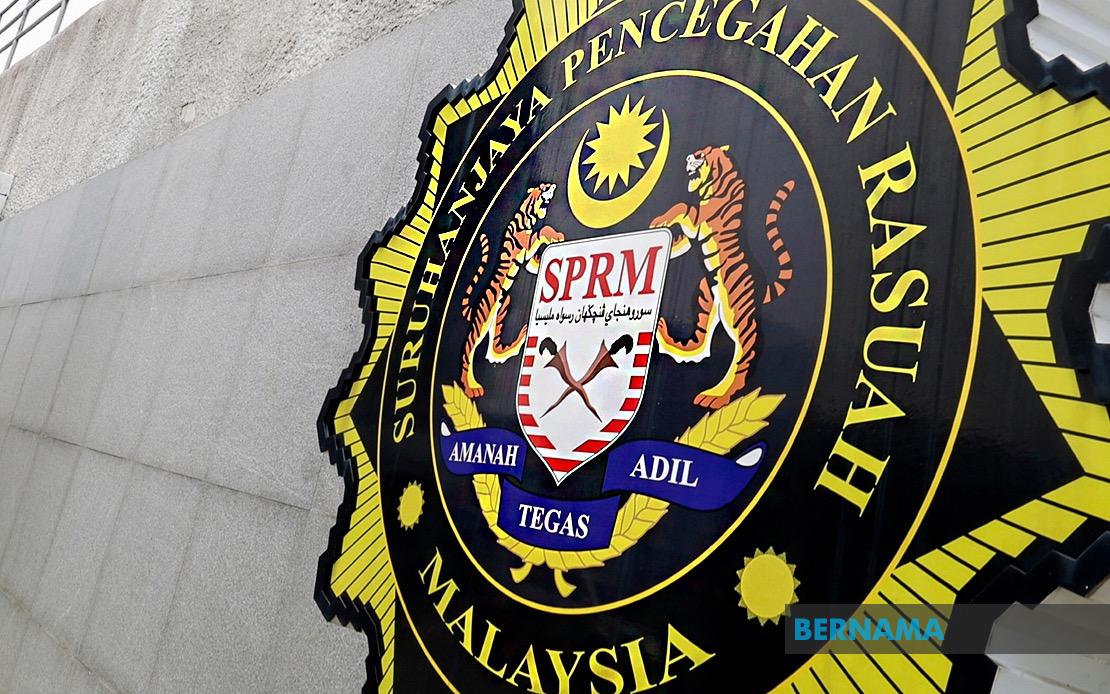
The Malaysian Anti-Corruption Commission (MACC) has marked a notable achievement in its pursuit of international credibility by becoming a finalist across four separate categories at the ICA Compliance Awards APAC 2026. The recognition comes through nominations submitted to the International Compliance Association (ICA), a global professional body dedicated to elevating standards in integrity and governance across the Asia-Pacific region and beyond. This inaugural participation by the MACC in the awards programme underscores the commission's growing visibility and standing among regional and global anti-corruption institutions.
The MACC's diverse finalist nominations reflect both individual and organisational accomplishments within its ranks. Mohd Shukri Mohd Said, who heads the Investigation Division Branch C, has been selected as a finalist for the Compliance Leader of the Year category, a distinction recognising exceptional leadership in advancing integrity and governance practices. The commission simultaneously put forward Mohammad Nazree Mansor as a finalist in the Rising Star Award category, an honour typically accorded to emerging professionals demonstrating exceptional potential and commitment to compliance excellence. These individual recognitions highlight the depth of talent and dedication within the MACC's workforce.
Beyond individual accolades, the MACC has secured finalist status in two organisational categories that speak to its institutional capacity and operational structure. The commission earned nomination for Compliance Team of the Year, a category recognising outstanding collective performance and innovation. Simultaneously, the MACC qualified as a finalist in the Small Compliance Team of the Year category—specifically for teams comprising fewer than seven members—suggesting that the commission operates lean, efficient units capable of delivering measurable results in integrity and anti-corruption work. The breadth of these nominations demonstrates the MACC's multi-faceted approach to combating corruption across different operational contexts.
Datuk Mohd Hafaz Nazar, MACC's Investigation Division senior director, characterised the multiple nominations as validation of the commission's persistent commitment to bolstering governance standards and anti-corruption mechanisms across Malaysia. He articulated hope that the recognition would galvanise the organisation to pursue excellence consistently, both domestically and on the international platform. His remarks suggest an institutional perspective viewing these nominations not merely as acknowledgment of past achievements, but as catalysts propelling the MACC toward sustained improvement and heightened performance standards. The framing reflects an understanding that international recognition carries responsibility for continued advancement.
Mohd Shukri himself reflected on the significance of his individual nomination, emphasising its symbolic weight for the broader commission. He argued that the recognition transcends personal achievement, functioning instead as a testament to the MACC's collaborative and professional culture. His statement stressed that the nomination reflects institutional dedication to promoting integrity frameworks and sound governance practices essential to Malaysia's anti-corruption infrastructure. He highlighted how individual recognition ultimately serves to elevate the commission's international standing and demonstrates the professional calibre of its personnel engaged in advancing the national anti-corruption agenda.
For Mohammad Nazree, the Rising Star Award nomination represents encouragement to deepen his professional development and expand his contribution to integrity initiatives throughout Malaysia's public service sector. The recognition of emerging talent within the MACC's ranks carries particular significance for institutional succession planning and renewal, signalling that the commission identifies and nurtures the next generation of anti-corruption professionals. This attention to developing early-career talent suggests a forward-thinking approach to building long-term institutional capacity in an increasingly complex compliance environment.
The ICA Compliance Awards APAC programme operates as a professional recognition mechanism honouring excellence, innovation, and collaborative achievement across the broader compliance, integrity, and financial crime prevention landscape throughout Asia-Pacific jurisdictions. The awards programme celebrates not only individual practitioners but also organisations and teams demonstrating commitment to rigorous standards and best practices in governance. By participating, organisations like the MACC gain access to peer benchmarking opportunities and international exposure that can inform domestic practice improvements and foster knowledge exchange across regional boundaries.
The International Compliance Association itself carries substantial credibility within the global compliance profession. Established in 2001, the ICA has expanded to serve more than 160,000 practitioners worldwide through internationally recognised training initiatives and professional qualification pathways. Its presence across multiple continents and its emphasis on raising professional standards make ICA recognition particularly meaningful for individual compliance officers and institutions seeking international validation of their work. For the MACC, association with this established body enhances its credentials as a serious, professionally-oriented anti-corruption authority.
The announcement of award winners is scheduled for July 21 through a virtual ceremony, reflecting contemporary approaches to international professional recognition. The online format ensures accessibility for participants across the region and accommodates the geographically dispersed nature of modern compliance work. The timing provides the MACC and its nominated officers with a defined timeline to anticipate the results while maintaining focus on ongoing operational responsibilities. Whether or not the MACC secures wins in these categories, the finalist status itself constitutes meaningful international acknowledgment of the commission's efforts.
For Malaysia's anti-corruption framework, the MACC's international recognition carries broader implications. It validates the commission's technical competence and institutional maturity at a moment when public trust in governance and accountability remains essential to national development. The nominations suggest that Malaysia's anti-corruption mechanisms are meeting standards recognised by international professional bodies, which may enhance investor confidence and reinforce the country's positioning as serious about governance. Simultaneously, the recognition motivates continued investment in the MACC's capacity and resources, demonstrating that international credibility depends upon sustained institutional commitment.
The MACC's debut participation in the ICA awards also reflects a strategic shift toward engaging more actively with international professional networks and comparative governance frameworks. This outward orientation enables the commission to benchmark its practices against regional and global counterparts, identify emerging trends in compliance and anti-corruption work, and maintain awareness of evolving best practices. Such engagement proves particularly valuable in contexts where corruption tactics and compliance threats evolve constantly, requiring institutions to remain connected to international knowledge and innovation hubs.
Moving forward, the MACC's experience with the ICA Compliance Awards programme may catalyse deeper institutional participation in international professional networks. Beyond formal awards, such engagement typically creates opportunities for personnel exchange, training partnerships, and collaborative research initiatives. These connections strengthen the MACC's capacity to address complex, transnational corruption threats that increasingly transcend national boundaries. For Malaysia, enhanced international positioning of its anti-corruption authority contributes to regional leadership in governance and integrity matters.

