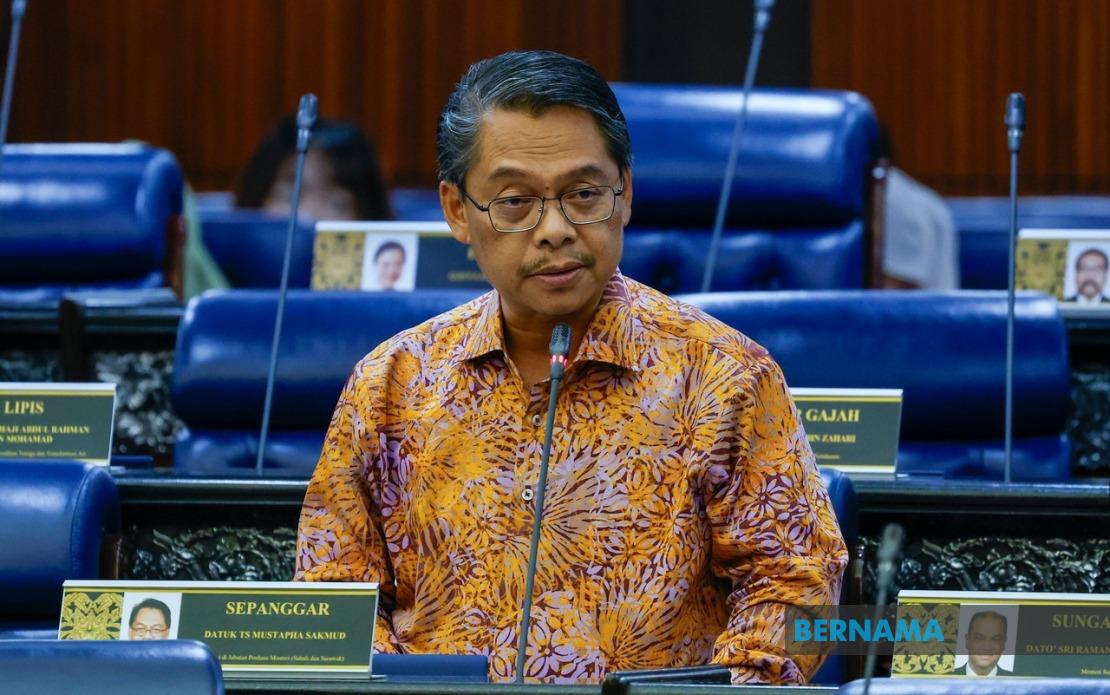
Progress on implementing the Malaysia Agreement 1963 has accelerated, with federal negotiators reaching full resolution on nearly half of the substantive matters under discussion. Datuk Mustapha Sakmud, the Minister in the Prime Minister's Department overseeing Sabah and Sarawak Affairs, revealed that 13 of the 29 negotiating items have achieved complete consensus following technical committee discussions held in March. This development marks a concrete milestone in a process that has long symbolised the federal government's commitment to honouring the constitutional foundation of Malaysia's formation and addressing longstanding regional concerns about resource allocation and administrative autonomy.
Beyond the fully resolved items, negotiations have yielded five matters classified as achieving partial or interim resolution. Mustapha identified four of these interim outcomes as touching on expansion of state public service positions under Article 112, alongside broader federal initiatives affecting healthcare, education, and administrative practices. The mechanism of interim resolution suggests deliberate staging—allowing implementation to proceed on consensus items whilst enabling further negotiation on more contentious details. This approach reflects institutional pragmatism, particularly when constitutional constraints complicate swift resolution of certain categories of claims.
The remaining 11 outstanding matters continue to receive formal attention through the Sabah and Sarawak Affairs Division, which functions as the secretariat for these negotiations. The existence of this dedicated division underscores the administrative infrastructure now devoted to MA63 implementation, distinguishing it from ad hoc intergovernmental dealings of previous decades. Federal and state officials maintain ongoing liaison, suggesting that while full consensus has not yet materialised on every issue, the framework for structured dialogue remains robust and active. The public acknowledgment of progress serves multiple purposes: it demonstrates tangible movement to stakeholders in East Malaysia whilst managing expectations about timelines for resolving particularly complex matters.
One topic generating sustained political attention—the demand for increased parliamentary representation for Sabah and Sarawak—remains decidedly unresolved. Regional advocates have sought to enhance the constituencies of both states to achieve a 35 per cent combined quota of the Dewan Rakyat's total seats, reasoning that this would better reflect their population and economic contributions. This aspiration directly challenges the balance of power within Malaysia's central legislature and touches sensitive questions about representation, regional influence, and the original constitutional bargain. The fact that this issue remains unresolved signals the formidable constitutional and political obstacles confronting any such reform.
Mustapha's explanation of why parliamentary seats remain in contention reveals the constitutional machinery's inflexibility. The Election Commission possesses the formal authority to conduct electoral redelineation, but convention and law restrict such exercises to eight-year intervals. This institutional constraint means that even if political agreement were reached today, implementation would require patience. More fundamentally, expanding the Dewan Rakyat seat allocation for East Malaysian states would necessitate amending Article 46 of the Federal Constitution, a provision that protects the chamber's composition. Such constitutional amendments demand a supermajority—a two-thirds endorsement—making them extraordinarily difficult to achieve without cross-party consensus or overwhelming government dominance in parliament.
The constitutional architecture thus embeds structural resistance to redistributing parliamentary power toward East Malaysia. This reflects the original constitutional settlement, which prioritised national unity and federal cohesion over proportional representation. For stakeholders in Sabah and Sarawak who view increased representation as a natural corollary of the MA63 settlement, this limitation has bred frustration. The high threshold for amendment means that resolving this matter would require either extraordinary political alignment among multiple parties—unlikely in Malaysia's fragmented coalition environment—or a governing majority so commanding that it could alter the constitution unilaterally. Neither condition currently prevails.
The interim resolutions on public service expansion and Borneonisation deserve closer examination, as they address practical governance questions that affect employment opportunities and administrative representation in East Malaysia. Article 112 of the Federal Constitution specifically governs the composition of the public service, and efforts to expand state-level positions implicate the balance between federal and state administrative authority. The Borneonisation initiative—presumably aimed at increasing recruitment and advancement of candidates from Sabah and Sarawak within federal structures—attempts to rebalance historically centralised hiring patterns. These interim outcomes suggest that both sides have moved toward accepting incremental adjustments rather than waiting for sweeping reforms.
Health and education were identified among the interim resolution items, areas where East Malaysian stakeholders have long complained of underfunding and capacity limitations. These sectors carry electoral weight, as they directly shape voter perceptions of whether federalism delivers tangible benefits to ordinary people. Progress on MA63 healthcare and education matters, even if temporary or partial, signals responsiveness to constituency demands. However, interim rather than full resolution suggests that implementation details, funding mechanisms, or constitutional questions continue to require negotiation. The distinction matters for residents who experience service delivery: interim measures may offer immediate improvements but lack the permanence of fully resolved constitutional arrangements.
The broader context illuminates why MA63 negotiations matter beyond formal constitutional discourse. Since Malaysia's formation in 1963, the agreement has occasionally been invoked in political argument but frequently sidelined in actual governance. The 2018 Change of Government and subsequent administrations have placed renewed emphasis on honouring the agreement's commitments, responding partly to electoral sentiment in Sabah and Sarawak and partly to genuine efforts at institutional reform. The negotiating process itself—creating formal platforms, establishing technical committees, publicising progress—represents a departure from opaque, elite-driven decision-making that previously characterised East Malaysian grievances. Transparency about resolved and outstanding items permits stakeholders to monitor implementation and hold governments accountable.
Yet the persisting gap between fully resolved items and the unresolved portion reflects genuine difficulties in reconciling competing interests. East Malaysian claims for greater autonomy, resource control, and political representation confront federal concerns about maintaining national coherence and institutional effectiveness. The negotiators' success in finding interim solutions on some matters suggests creative problem-solving, but the lingering 11 items and the parliamentary representation impasse indicate that fundamental tensions remain unresolved. For Malaysian politics more broadly, the MA63 process exemplifies how constitutional frameworks can simultaneously enable and constrain reform, allowing incremental progress whilst raising constitutional obstacles to transformative change.

