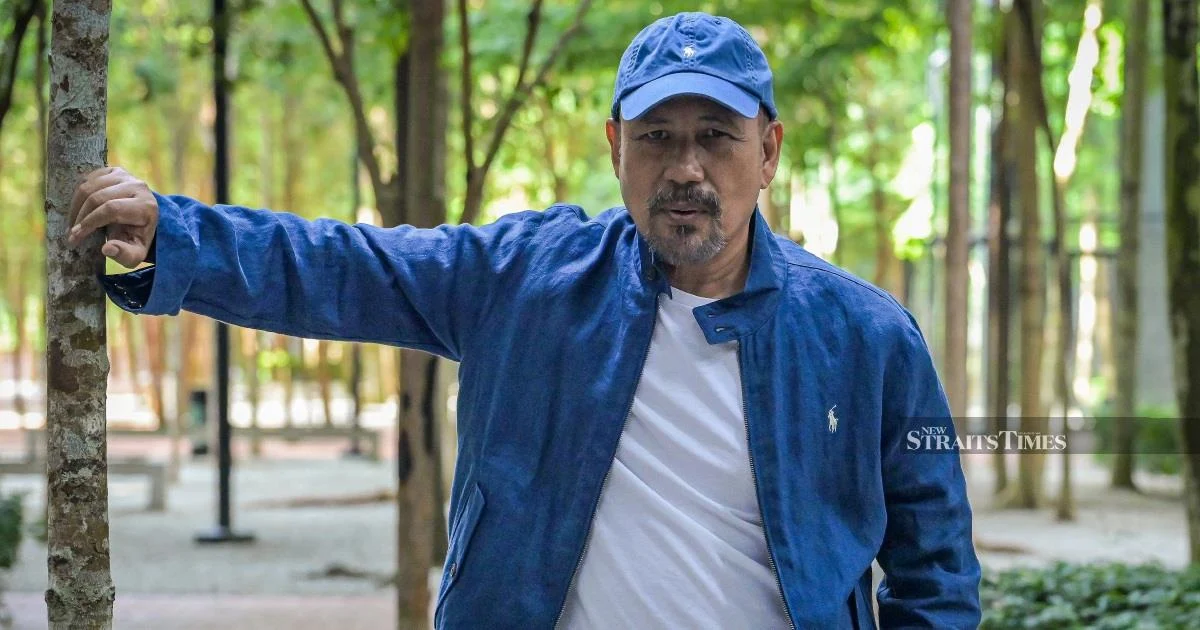
Legendary Malaysian musician Datuk M. Nasir has initiated legal proceedings seeking RM5 million in damages from MyTeksi Sdn Bhd, the entity operating as Grab Malaysia, over what he characterises as an unauthorised exploitation of his identity in connection with a beverage marketing venture. The acclaimed performer, known for his influential contributions to the Malaysian music landscape spanning decades, has chosen to maintain discretion about specific aspects of the dispute while remaining resolute about the fundamental principles underpinning his legal action.
The core issue centres on allegations that the ride-hailing service provider utilised Nasir's name and reputation as a commercial asset without securing prior consent or establishing any formal licensing arrangement. This type of intellectual property and personality rights violation represents an increasingly common flashpoint in Southeast Asia's rapidly evolving digital economy, where companies operating across multiple business verticals sometimes treat brand associations and celebrity endorsements with insufficient legal rigor. For established public figures like Nasir, whose name carries considerable commercial weight accumulated through decades of artistic achievement, such unauthorised appropriation strikes at the heart of their ability to control their own image and monetise their personal brand strategically.
Nasir's willingness to pursue aggressive legal remedies underscores the growing assertiveness among Malaysian creatives and entertainers in defending what they perceive as fundamental rights to their own likenesses and names. The RM5 million quantum being sought signals the seriousness with which he views the transgression and reflects his assessment of the damages warranted by the alleged misuse. In comparable cases across the region, damages awards have increasingly reflected not merely direct commercial losses but also reputational harm and the broader principle that individuals possess inalienable rights to control commercial applications of their identities.
The involvement of Grab Malaysia—a major regional player in the Southeast Asian mobility and services ecosystem—lends particular significance to this dispute. The company's diversification into ancillary business lines, including food and beverage ventures, means it operates within commercial territories where brand partnerships and celebrity associations carry substantial marketing value. The allegation that proper due diligence regarding celebrity rights was not conducted before launching a beverage product bearing a musician's name raises questions about internal compliance procedures at multinational service providers operating across jurisdictions with varying intellectual property protection frameworks.
From a Malaysian entertainment industry perspective, this litigation carries broader implications beyond the individual dispute. Creatives and performers often struggle to defend their rights against larger corporate entities with more substantial legal resources, making high-profile cases like Nasir's particularly important as potential precedents. His decision to litigate sends a signal to other businesses that Malaysian courts will protect personality rights and that entertainers possess viable legal avenues for redress when their names and reputations are exploited without consent.
The beverage sector specifically has become an increasingly competitive space in Malaysia and throughout Southeast Asia, with companies seeking distinctive marketing angles and celebrity associations to differentiate their products. When such collaborations occur without proper contractual frameworks and compensation, they can undermine the legitimate endorsement ecosystem and create confusion among consumers regarding authentic brand partnerships. Nasir's action can thus be viewed as protecting not only his individual interests but also the broader integrity of celebrity endorsement practices within the region.
Intellectual property specialists have noted that cases involving personality rights and unauthorised commercial use of names tend to pivot on several key factors: the degree of brand recognition attached to the individual's name, the extent to which the unauthorised use created commercial advantage for the defendant, and whether consumers were likely misled regarding the purported association. In Nasir's case, his substantial public profile and decades-long career as a respected musical figure provide strong foundations for arguing that his name constitutes a valuable commercial asset worthy of legal protection.
The decision to seek RM5 million reflects a calculated approach to the dispute's valuation. This sum encompasses potential damages spanning lost licensing opportunities the musician might have pursued, reputational harm arising from association with a commercial venture he did not endorse, and punitive elements intended to deter similar conduct. Courts in Malaysia have shown increasing willingness to award substantial damages in intellectual property and personality rights cases, particularly when involving established public figures whose commercial value is readily quantifiable and demonstrable.
For the broader Malaysian entertainment sector, Nasir's litigation exemplifies a necessary evolution in how creative professionals assert their economic interests. As the entertainment landscape becomes increasingly commercialised and integrated with technology platforms and lifestyle brands, protecting individual rights becomes simultaneously more important and more challenging. Established performers like Nasir possess both the resources and the public standing to pursue legal remedies that younger or less prominent entertainers might struggle to access, potentially creating a protective precedent that benefits the entire industry.
The case also reflects evolving consumer expectations around authentic celebrity endorsements. Malaysian audiences increasingly distinguish between genuine partnerships where entertainers have been properly compensated and consulted, versus exploitative arrangements where companies appropriate famous names without proper authority. Nasir's willingness to pursue litigation aligns with these consumer sensibilities and reinforces the principle that brand-celebrity relationships should remain transparent and consensual arrangements.

