Malaysia's Ministry of Entrepreneur and Cooperatives Development (KUSKOP) is moving decisively to address a pressing challenge facing the nation's small business sector: the competitive disadvantage local digital entrepreneurs face against international sellers who operate with significantly lower cost structures. The ministry has drafted a comprehensive Micro, Small and Medium Enterprises Strategic Plan 2030 designed to fundamentally reshape how Malaysia's grassroots business community participates in digital commerce, ensuring that local traders can compete effectively in an increasingly globalised online marketplace.
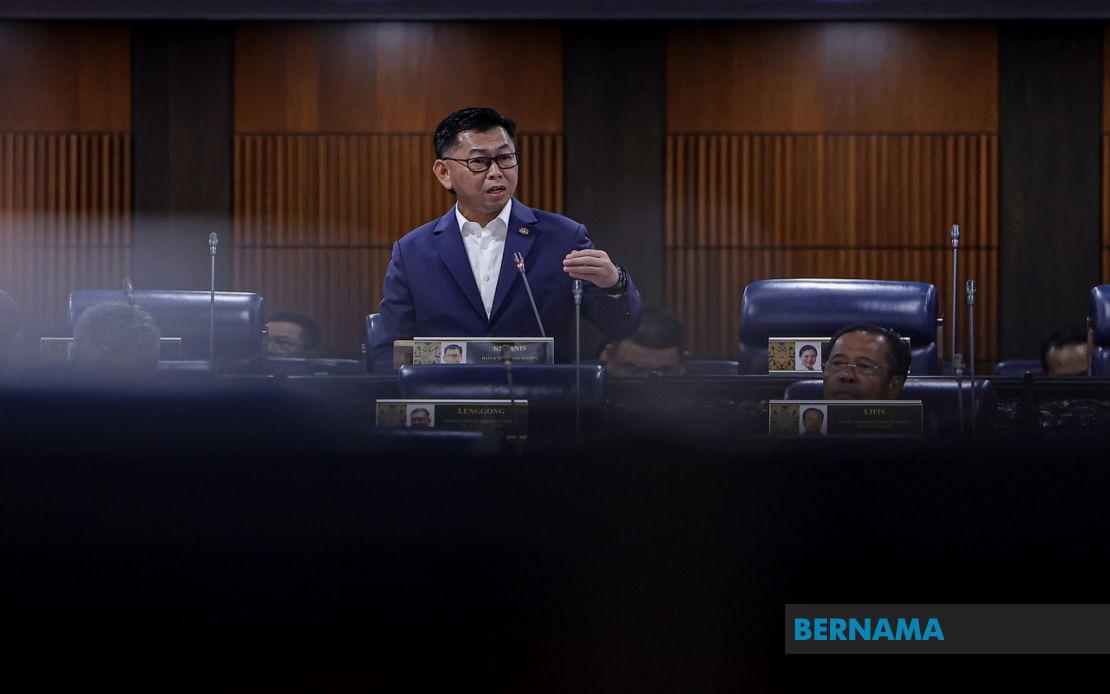
Deputy Minister Datuk Mohamad Alamin outlined the strategic vision during parliamentary question time, emphasising that the initiative extends beyond simple support measures to encompass a complete transformation of the MSME ecosystem. The plan recognises that local entrepreneurs face structural disadvantages, particularly regarding rental costs for physical premises and digital infrastructure investments that larger foreign players have already amortised across massive customer bases. By addressing these cost barriers through targeted government intervention, KUSKOP aims to level the playing field and enable Malaysian MSMEs to adapt swiftly to market trends while building resilience against unexpected disruptions.
The government's approach demonstrates sophisticated understanding of the digital economy's mechanics. Rather than imposing protectionist barriers or subsidies that distort market competition, KUSKOP has invested in creating platforms and removing friction points that disproportionately harm smaller operators. The MyMall platform, launched in 2022, exemplifies this strategy by offering entrepreneurs zero-cost access to e-commerce infrastructure. As of May 31, the platform had attracted 5,776 registered traders who collectively generated RM24.5 million in sales—a substantial vote of confidence from business owners who value the combination of accessibility and legitimacy that government backing provides.
The MyMall initiative addresses a fundamental challenge in Malaysia's digital transition: the assumption that digitalisation requires substantial capital investment that only established businesses can afford. By removing this barrier, KUSKOP has democratised access to e-commerce infrastructure, particularly benefiting entrepreneurs in secondary cities and rural areas who might otherwise struggle to justify the expense of independent online storefronts. The cumulative sales figures suggest that many traders were waiting precisely for such an opportunity, indicating substantial latent demand for dignified, professional selling channels that don't require upfront investment.
Beyond marketplace infrastructure, KUSKOP has recognised that international platforms themselves present both opportunities and challenges for Malaysian entrepreneurs. The ministry's collaboration with TikTok Shop through Tekun Nasional demonstrates strategic pragmatism: rather than resisting the dominance of foreign platforms, the government is helping local traders become more effective participants on these channels. By providing livestream studio facilities—increasingly essential for e-commerce success as video commerce accelerates globally—KUSKOP has tackled a specific operational cost that individual entrepreneurs would struggle to justify independently. The fact that 1,054 local digital entrepreneurs have utilised this facility and generated sales of up to RM35 million validates the approach and suggests that capability gaps, not market demand, were previously constraining growth.
The livestream initiative warrants particular attention given regional trends in e-commerce. Southeast Asian consumers increasingly prefer video-based shopping experiences, with livestream commerce becoming a dominant format in more advanced markets like China and Thailand. By providing infrastructure support for livestreaming, KUSKOP is not merely offering short-term assistance but helping Malaysian entrepreneurs develop skills that will remain valuable regardless of which platforms dominate in future years. This capacity-building dimension distinguishes the strategy from simple subsidy provision.
The government's digital economy expansion extends into rural areas through the Jajahan Rakyat programme administered by Bank Rakyat. With RM610.6 million allocated for financing, the initiative has already supported 627 rural entrepreneurs in transitioning to digital operations. This rural focus addresses a critical dimension of Malaysia's digital divide: the tendency for e-commerce growth to concentrate in major urban centres where infrastructure, digital literacy, and customer density align most favourably. By explicitly targeting rural entrepreneurs with both financing and digitalisation support, the government is pursuing inclusive growth that prevents further economic polarisation between metropolitan and provincial areas.
The comprehensive nature of KUSKOP's approach reflects recognition that MSME competitiveness depends on multiple interconnected factors. Infrastructure platforms like MyMall provide visibility and distribution channels; capability-building partnerships with TikTok develop specific skill sets; financing schemes ensure entrepreneurs can invest in stock and equipment; and the targeting of rural areas prevents digital advancement from becoming an exclusively urban phenomenon. Together, these elements construct an ecosystem that supports Malaysian entrepreneurs across different starting points and circumstances.
The strategic plan's focus on sustainability and adaptability suggests that KUSKOP understands the digital economy's essential unpredictability. Rather than designing programmes around static assumptions about which platforms or business models will dominate indefinitely, the ministry is building entrepreneurs' underlying adaptive capacity. By developing digital literacy, exposure to multiple platforms, and financial resources for experimentation, the strategy positions MSMEs to survive platform shifts, regulatory changes, and shifting consumer preferences.
For regional context, Malaysia's approach offers a valuable model as other Southeast Asian nations grapple with similar challenges. Thailand, Vietnam, and the Philippines all face the same issues of local entrepreneurs competing against foreign entrants who often enjoy scale advantages and lower operating costs. Malaysia's focus on infrastructure, capability-building, and financing rather than protectionism suggests a path that maintains market openness while explicitly supporting local participants. The measurable outcomes from MyMall and the livestream collaboration provide concrete evidence that these approaches can generate meaningful commercial results.
The implications extend beyond immediate business support to broader questions about how developing economies can participate effectively in digital globalisation. Rather than accepting that foreign competitors will naturally dominate local markets, KUSKOP's strategy proposes that thoughtful government intervention in infrastructure and capability development can preserve space for local entrepreneurship. As e-commerce and digital services increasingly drive economic growth across Asia, the ability of small business owners to participate meaningfully in these sectors becomes essential for equitable development.
Looking forward, the success of KUSKOP's initiatives will depend on continued refinement and expansion as digital markets evolve. The Strategic Plan 2030 provides a framework, but implementation quality and responsiveness to emerging challenges will ultimately determine outcomes. Malaysian policymakers have created the institutional foundations for supporting MSME digital competitiveness; sustaining momentum and adapting the approach as market conditions change will prove equally important for realising the plan's ambitious goals.

