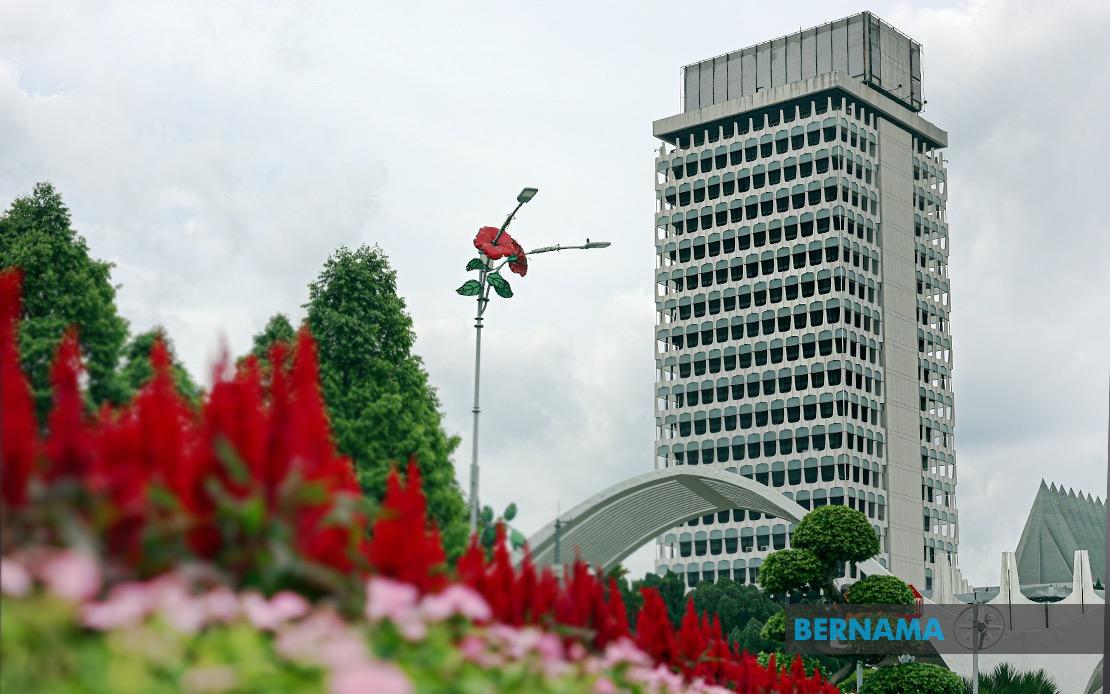
His Majesty Sultan Ibrahim, King of Malaysia, has granted royal assent to eight bills passed during the First Meeting of the Fifth Session of the 15th Parliament, marking an important milestone in the legislative calendar. The announcement was made by Dewan Rakyat Speaker Tan Sri Johari Abdul before question time in Parliament, confirming the completion of formal procedures required to transform these bills into enforceable law. The assent follows the parliamentary sitting that ran from January 19 through March 3, during which legislators debated and voted on these measures across multiple policy domains.
Among the most significant pieces of legislation receiving royal approval is the Government Procurement Act 2025, which will establish new frameworks governing how federal and state entities conduct purchasing and tendering processes. This legislation carries substantial implications for Malaysia's public sector, as procurement reform has long been identified as essential for improving transparency and efficiency in government spending. The act's implementation will likely reshape how development projects are awarded and monitored, potentially impacting the operational practices of agencies across the country and setting standards for accountability in the deployment of taxpayer funds.
The Immigration (Amendment) Act 2025 and Passports (Amendment) Act 2025 represent the government's continued refinement of border control and identity management systems. These amendments address practical gaps identified in existing immigration procedures and passport issuance protocols, enabling authorities to respond more effectively to contemporary security challenges and administrative requirements. For Malaysian citizens and foreign nationals transiting through the country's immigration checkpoints, these amendments promise streamlined processes and enhanced verification procedures designed to balance security with convenience.
The International Settlement Agreements Resulting from Mediation Act 2025 introduces new legal mechanisms for resolving disputes through mediation rather than traditional litigation. This legislation reflects a global trend toward alternative dispute resolution and positions Malaysia within international frameworks for commercial and civil dispute settlement. The framework will offer Malaysian businesses and individuals an additional avenue for resolving cross-border disagreements, potentially reducing costs and timeframes associated with conventional court proceedings.
The Johor Bahru-Singapore Rapid Transit System (RTS) Link Act 2026 stands as a landmark piece of infrastructure legislation enabling the implementation of the long-anticipated rail connectivity project between Malaysia and Singapore. This bilateral transport initiative has been in development for several years, and the legislative framework's approval represents a critical step toward construction commencement. The RTS Link will fundamentally alter mobility patterns across the southern Johor region and northern Singapore, facilitating smoother cross-border commuting for the hundreds of thousands who traverse the Malaysia-Singapore corridor daily. For Malaysian workers commuting to Singapore employment and Singaporean visitors to Johor, the rail link promises significant time savings and reduced reliance on road-based crossings.
The Capitation Grant Act 2026 addresses educational financing mechanisms, establishing provisions for per-capita funding allocations to educational institutions. This legislation signals the government's commitment to equitable resource distribution within the education system and reflects policy decisions regarding how federal funds reach schools and educational providers nationwide. The framework will influence educational institutions' financial planning and administrative operations across states and territories.
The Environmental Quality (Amendment) Act 2026 strengthens Malaysia's environmental protection regime by introducing enhanced provisions addressing pollution control, sustainability standards, and environmental compliance requirements. This amendment arrives as Southeast Asia confronts mounting air quality challenges, waste management crises, and climate-related pressures. The legislation equips regulatory authorities with updated tools and standards necessary for enforcing environmental protection across industrial, commercial, and residential sectors, aligning Malaysian environmental law with contemporary scientific understanding and regional environmental challenges.
The Supplementary Supply (2025) Act 2026 authorizes additional government expenditure for fiscal year 2025, enabling authorities to fund unforeseen priorities or cost overruns identified during budget execution. This mechanism provides governmental flexibility to address emerging needs without waiting for comprehensive budget cycles, permitting responsive allocation of resources to critical areas requiring supplementary funding throughout the financial year.
Parliament has also advanced the Employment Insurance System (Amendment) Bill 2025, which received approval from the Dewan Negara with modifications made to Clause 11. The amendments to this employment protection legislation indicate ongoing parliamentary refinement of Malaysia's social safety net for workers. The Employment Insurance System represents a crucial mechanism for protecting workers during periods of unemployment or economic transition, and the parliamentary amendments demonstrate the legislative bodies' commitment to strengthening worker protections while balancing employer considerations and fiscal sustainability. These modifications were carefully considered by the upper house to ensure the legislation achieves its protective objectives while remaining practically implementable across Malaysia's diverse employment landscape.
The concurrent approval of multiple bills reflecting diverse policy areas—spanning procurement reform, infrastructure development, environmental protection, and employment security—demonstrates Parliament's capacity to address the breadth of governance challenges facing modern Malaysia. These legislative enactments will require coordinated implementation across multiple government agencies and departments, setting in motion administrative processes that will reshape institutional practices and public services throughout the coming months. The legislative momentum established during this parliamentary session positions the government to advance its policy agenda while maintaining democratic processes and ensuring that proposed governance changes receive thorough parliamentary scrutiny before formal enactment.

