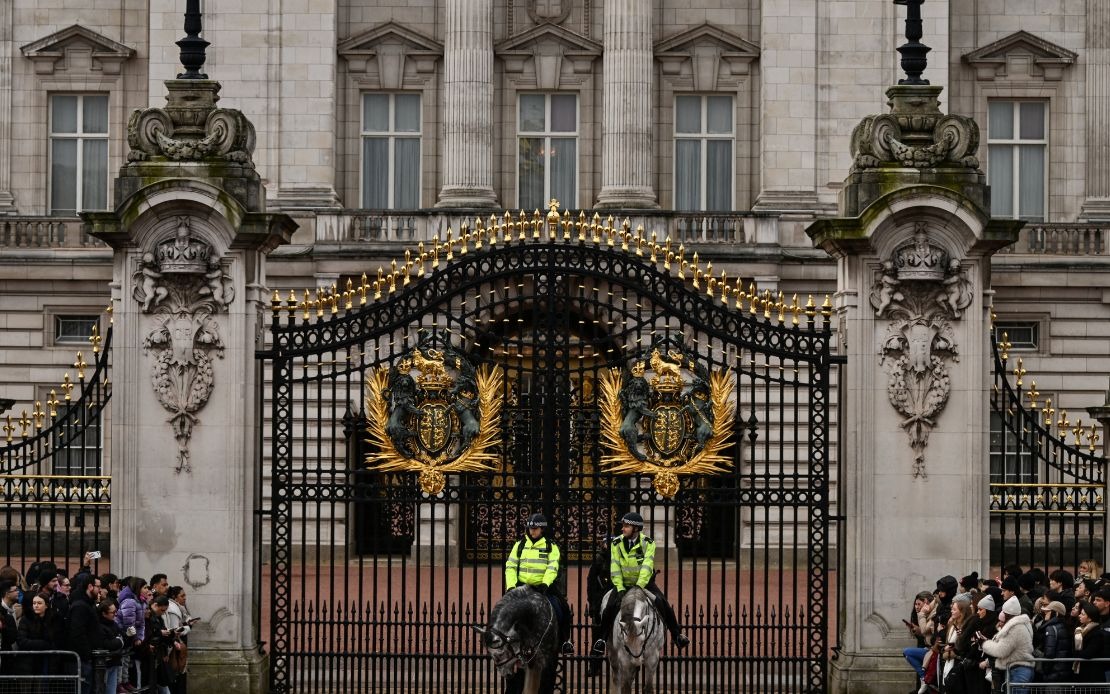
Britain's King Charles III and Queen Camilla have clarified their long-term vision for Buckingham Palace, confirming that the iconic London residence will serve exclusively as a ceremonial and official workspace rather than a private dwelling following the completion of an extensive renovation programme. The Royal Household's formal statement, released on Thursday, underscores the institution's commitment to preserving the palace's role as the principal venue for state functions and public ceremonies while opening its doors more broadly to the general public once restoration works conclude.
The decision represents a deliberate modernisation of how the monarchy utilises its historic real estate portfolio. Rather than treating Buckingham Palace primarily as a royal residence—a tradition upheld by previous monarchs—the current King has opted for a functional division between official pageantry and personal domestic life. This strategic distinction reflects evolving expectations about public access to national heritage sites and the transparency with which contemporary monarchies manage taxpayer-funded assets. The palace will henceforth concentrate on hosting the ceremonial functions that define Britain's constitutional monarchy, from diplomatic receptions to state banquets, while the King and Queen maintain separate private accommodations elsewhere within the royal estate system.
The Buckingham Palace Reservicing Programme, now entering its final year after nearly a decade of intensive work, represents one of the most significant infrastructure projects ever undertaken on the building. The comprehensive overhaul addresses the palace's ageing systems, from electrical wiring to plumbing and heating installations, many of which date from the Victorian era and required complete replacement to meet modern safety and environmental standards. This substantial investment in the building's structural integrity ensures that Buckingham Palace can continue functioning as a working palace for generations to come, serving as both a seat of power and a symbol of British continuity.
The royal couple's vision for Buckingham Palace extends beyond merely preserving a historic monument. The statement emphasises their ambition to transform it into a vibrant national heritage asset that actively engages the public imagination. By prioritising access and presenting the palace as the ceremonial centre of royal life rather than a private royal residence, the monarchy signals a recognition that these institutions belong to the broader national heritage and merit wider public appreciation. This approach aligns with contemporary museum and heritage conservation philosophy, which increasingly emphasises visitor engagement and educational value alongside physical preservation.
During the 2025-2026 financial year alone, the royal palaces hosted 827 events attracting nearly 97,000 guests, demonstrating the significant public and diplomatic role that these venues continue to play. These figures underscore how critical the palace infrastructure remains to the functioning of the state apparatus and to Britain's international standing. The volume of ceremonial activity suggests that maintaining Buckingham Palace as a dedicated public ceremonial space rather than a residence will actually enhance its utility as a working institution. With clearer demarcation between official and private spheres, the palace can operate more efficiently as a dedicated venue for state business.
The financial commitment required to maintain these facilities reflects their strategic importance. The Sovereign Grant, which provides public funding for the monarch's official duties and palace maintenance, reached £132.1 million in 2025-2026, with £67.5 million specifically allocated to preserving and protecting occupied royal palaces. These substantial allocations represent a significant but defensible public investment, particularly when measured against the diplomatic and cultural functions that such venues enable. For Malaysian and Southeast Asian observers, the scale of investment in heritage preservation and the careful balance between public access and institutional function offers instructive lessons about maintaining architectural treasures in an age of limited resources and competing priorities.
The refurbishment project's longevity—spanning approximately a decade—reflects the complexity of modernising a structure of such historical magnitude and architectural significance. Unlike contemporary buildings where systems can be replaced in isolation, working on a palace with centuries of layered additions and modifications requires meticulous planning to avoid compromising historical integrity while installing essential modern infrastructure. The extended timeline also reflects the practical challenges of conducting major construction work while maintaining the building's operational capacity for official functions. This balancing act between restoration and active use has required sophisticated project management and considerable financial flexibility.
The Royal Household's explicit confirmation that Buckingham Palace will not become a private residence carries symbolic weight beyond mere logistical arrangement. It signals that the current monarchy operates according to different assumptions about royal privilege than previous generations, recognising that taxpayer funding for royal institutions carries implicit expectations about public benefit and national stewardship. This positioning distinguishes Buckingham Palace from private royal residences such as Sandringham or Balmoral, which serve primarily familial purposes, emphasising instead its character as an instrument of statecraft and national representation. The distinction may influence how future parliaments evaluate funding requests for royal institutions, since a clearer functional purpose facilitates democratic oversight.
For observers across Southeast Asia and the Commonwealth, the modernisation of Buckingham Palace holds particular relevance given the continuing symbolic importance of monarchy in regional governance and the ongoing evolution of Commonwealth relationships. As various nations within the Commonwealth reconsider the role of the British monarchy in their constitutional arrangements, the way Britain itself manages and presents its royal institutions influences those broader conversations. A monarchy that thoughtfully balances public access, heritage preservation, and transparent governance demonstrates institutional adaptability and responsiveness to contemporary values—qualities that strengthen rather than undermine traditional institutions in pluralistic democracies.
The palace refurbishment also illustrates broader heritage conservation challenges facing historic buildings globally. The technical expertise required to upgrade such structures while preserving their character, the financial sustainability of long-term maintenance programmes, and the competing imperatives between public access and conservation all represent issues confronting heritage managers worldwide. The approach taken at Buckingham Palace—maintaining active public function through ceremonial use rather than converting to a museum—offers an alternative model to either purely residential use or complete public museumification. This adaptive reuse strategy may offer transferable insights for heritage managers grappling with similar challenges in their own jurisdictions, particularly as climate change and modern building codes impose new demands on historic structures.

