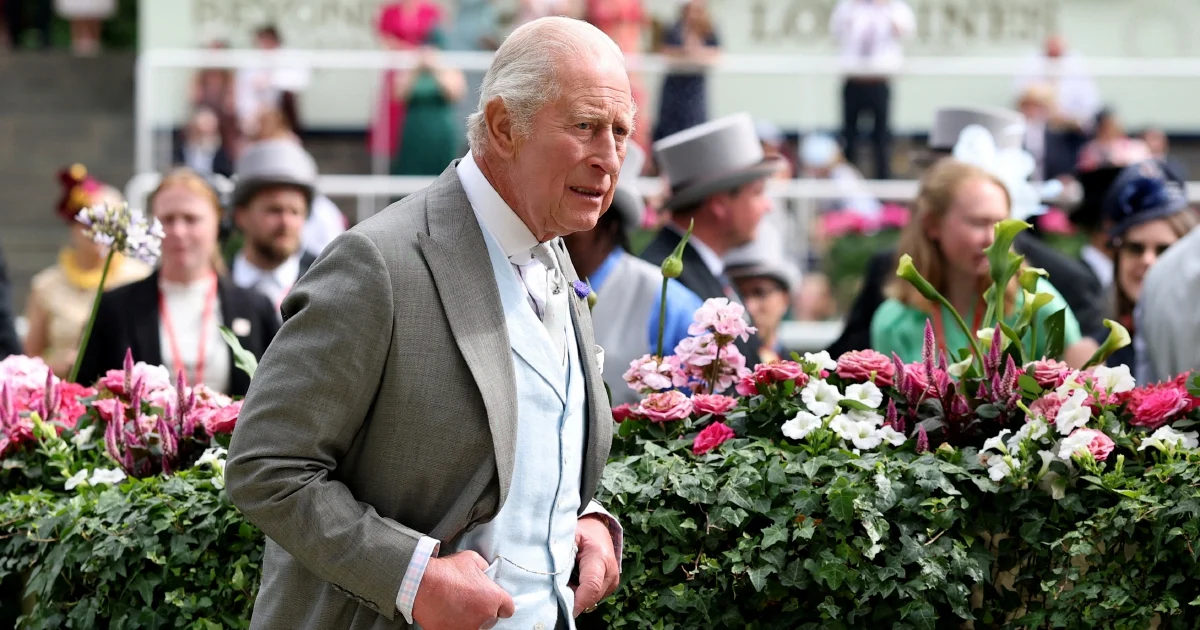
King Charles III will become the first British monarch to voluntarily disclose his personal tax bill, Buckingham Palace announced on Saturday, in a significant shift toward financial openness that reflects mounting public pressure regarding how the Royal Family manages its wealth.
The decision signals a marked departure from the monarchy's traditionally secretive approach to financial matters. By opening his personal tax records to public scrutiny, the King aims to counter persistent questions about royal spending and financial arrangements that have intensified in recent years. This move underscores how modern monarchies must navigate contemporary expectations for institutional accountability, particularly as public institutions face demands for greater transparency across the Commonwealth.
For Malaysian observers, this development carries particular relevance given the constitutional role of the British Crown within the Commonwealth framework. Many Commonwealth nations, including Malaysia, maintain formal links to the Crown, and the British Royal Family's financial practices inevitably influence perceptions of monarchy more broadly across the region. The move toward transparency in royal finances could set precedents that affect expectations for monarchical institutions throughout Southeast Asia and beyond.
Royal finances have historically represented a complex and opaque domain, with the monarchy's substantial wealth and various revenue streams—including the Duchy of Cornwall, the Duchy of Lancaster, and the sovereign grant—operating under arrangements that frequently escaped public understanding. The decision to reveal the King's personal tax contributions addresses longstanding criticism that the Royal Family benefits from privileged financial arrangements unavailable to ordinary citizens. By voluntarily disclosing this information, Charles III attempts to demonstrate that he fulfils his civic obligations despite his unique constitutional position.
The announcement reflects broader societal shifts in how institutions respond to demands for transparency. Public figures across government, finance, and the private sector increasingly face expectations to disclose financial information, and the monarchy's hesitation to follow suit had generated criticism from transparency advocates and commentators. By embracing this practice, the King positions the institution as responsive to contemporary values regarding accountability and institutional integrity.
This initiative also carries implications for how the monarchy presents itself to younger generations who have grown increasingly skeptical of traditional institutions. Younger Britons, particularly, have questioned the anachronism of hereditary monarchy and the financial arrangements supporting royal life. Proactive transparency about the King's personal tax contributions provides an opportunity to rebuild confidence among demographics that view the institution with ambivalence or outright skepticism.
Within the broader Commonwealth context, this move may influence conversations about the role and relevance of monarchy in member nations. Countries like Australia and several Caribbean nations have periodically debated whether to retain the Crown as head of state, with financial costs representing a significant consideration in those discussions. Demonstrating that the monarchy operates transparently and pays appropriate taxes helps counter arguments that the institution represents an outdated financial burden on the public purse.
The practical mechanics of royal taxation have long puzzled observers. While the sovereign is technically exempt from certain tax obligations due to constitutional conventions, successive monarchs have voluntarily paid tax on portions of their private income to maintain public confidence. Charles III's decision to disclose these payments represents a logical extension of this existing practice, making visible what has previously remained hidden from public view. The publication of actual figures will allow citizens and taxpayers to assess whether the monarch contributes proportionally to his wealth and income.
Buckingham Palace's announcement on Saturday represents careful political positioning by the Royal Household, which has clearly concluded that proactive transparency serves the institution's long-term interests better than continued opacity. The timing of this announcement, amid rising republican sentiment in various Commonwealth realms and persistent media criticism of royal expenditure, suggests strategic calculation by advisors concerned about the monarchy's contemporary relevance and public perception.
For Malaysia specifically, where the institution of monarchy commands deep cultural and constitutional respect, these developments carry nuanced implications. The voluntary disclosure of royal finances by the British Crown may influence expectations regarding financial transparency among royal households across the region. Additionally, the initiative demonstrates how traditional institutions can adapt to modern expectations without compromising their essential character or constitutional role.
The disclosure of King Charles III's personal tax bill represents more than a simple accounting exercise. It embodies a statement about how ancient institutions can remain viable in contemporary democracies that increasingly demand accountability and transparency from all public and quasi-public entities. Whether other Commonwealth nations' royal households follow this precedent will likely depend on assessments of how effectively the British initiative rebuilds public confidence in the monarchy's financial integrity and institutional legitimacy.

