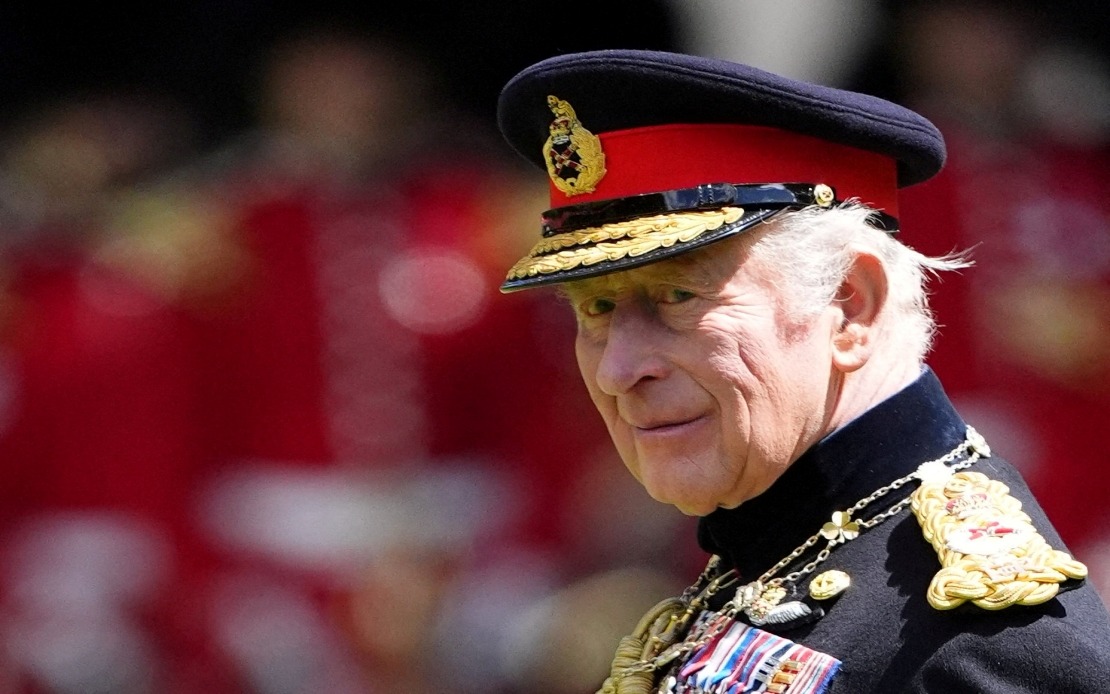
King Charles III has achieved a significant milestone in royal accountability by becoming the first reigning British monarch to publicly disclose his personal income tax payments. Buckingham Palace announced on Thursday that the king contributed £12.9 million in personal taxes during the 2024-2025 tax year, marking an unprecedented step towards transparency in royal finances. This disclosure represents a substantial shift in how the British monarchy presents itself to the public and sets a new standard for institutional openness among hereditary heads of state.
The move carries considerable symbolic weight in an era where public institutions face increasing scrutiny over their financial operations and tax obligations. By voluntarily opening his personal tax records to public examination, King Charles III addresses long-standing questions about royal finances and demonstrates a commitment to demonstrating that even the Crown operates within established fiscal frameworks. The timing of this disclosure, coupled with the palace's broader efforts to clarify how royal income is structured and utilised, suggests a deliberate strategy to rebuild public confidence in the monarchy's financial stewardship.
The figures revealed indicate that King Charles III paid £11.7 million in personal taxes during the previous 2023-2024 tax year. Since his accession to the throne in September 2022, his cumulative tax payments have surpassed £30 million. These numbers become particularly significant when contextualised within the broader conversation about wealth taxation and institutional privilege, especially in a period when cost-of-living pressures affect millions across the United Kingdom and the Commonwealth.
It bears noting that British monarchs operate under a unique legal exemption—they are not legally obligated to pay income tax, capital gains tax, or inheritance tax. However, since the 1990s, the reigning sovereign has voluntarily submitted to these taxation arrangements, a practice established to demonstrate good faith to the nation during an earlier period of royal finances controversy. King Charles III's decision to extend this voluntary compliance into the realm of public disclosure represents an evolution beyond previous custom, effectively converting a private arrangement into a matter of public record.
Prior to ascending the throne, King Charles III, when still Prince of Wales, had already begun disclosing information about his personal tax contributions. However, publishing such figures as the reigning monarch marks a qualitative departure from past practice. The palace framed this decision as integral to its broader commitment to improving transparency across all aspects of royal financial management, signalling that accountability will characterise his reign differently than his predecessors.
The king's personal income derives from multiple sources, most notably his private investments and his ownership of the estates at Balmoral and Sandringham. These properties, held in private rather than as part of the Crown Estate, generate substantial revenues that offset his personal expenses and lifestyle costs. Understanding this distinction matters considerably—the Crown Estate operates separately and generates income allocated to government, while the Duchy of Cornwall and these private holdings represent the monarch's personal wealth. The careful separation between public and private royal finances reflects both longstanding constitutional practice and practical necessity in maintaining the monarchy's operational independence.
James Chalmers, serving as keeper of the Privy Purse and thus the senior financial official within the Royal Household, contextualised the disclosure within a broader philosophical framework. He emphasised that despite the apparent complexity surrounding royal finances, the underlying principles remain straightforward, embedded in law, and designed to serve a fundamental purpose—enabling the monarch to execute his constitutional duties with genuine independence whilst remaining accountable to the nation whose institutions he represents. This framing attempts to position transparency not as a concession to public pressure but as an inherent feature of sound governance.
For Commonwealth nations including Malaysia, this development carries implications beyond ceremonial interest. The monarchy's willingness to submit to closer public scrutiny regarding financial matters establishes precedent and expectations that ripple throughout Commonwealth institutions. Readers in Southeast Asia observe a head of state voluntarily accepting transparency measures that many secular republics have resisted for decades, suggesting that hereditary institutions can adapt to modern demands for accountability without compromising their constitutional functions or symbolic significance.
The palace's accompanying statement about royal finances included newly compiled documentation that attempts to simplify public understanding of how the monarchy's various revenue streams operate and how expenditures serve both ceremonial and administrative purposes. This supplementary material suggests recognition that financial transparency requires not merely releasing numbers but contextualising them in ways that permit genuine public comprehension. The initiative aligns with broader international trends where governmental and institutional entities recognise that transparency serves legitimacy better than opacity.
This precedent-setting action occurs within a historical context where public institutions globally face questions about their financial practices and ethical obligations to taxpayers. By voluntarily adopting disclosure practices exceeding legal requirements, King Charles III addresses concerns that might otherwise fester and damage institutional credibility. The decision demonstrates understanding that in contemporary governance, legitimacy increasingly depends on willingness to subject oneself to the same scrutiny applied to other significant institutional actors, rather than claiming exemption based on tradition or constitutional position.

