%22%2F%3E%3C%2Fpattern%3E%3C%2Fdefs%3E%3Crect%20width%3D%22100%25%22%20height%3D%22100%25%22%20fill%3D%22url(%23ph2th7g)%22%2F%3E%3Crect%20width%3D%22100%25%22%20height%3D%22100%25%22%20fill%3D%22url(%23ph2th7p)%22%2F%3E%3Ctext%20x%3D%2250%25%22%20y%3D%2250%25%22%20text-anchor%3D%22middle%22%20dominant-baseline%3D%22central%22%20fill%3D%22rgba(255%2C255%2C255%2C0.95)%22%20font-family%3D%22Georgia%2C%20'Times%20New%20Roman'%2C%20serif%22%20font-weight%3D%22700%22%20font-size%3D%22170%22%20letter-spacing%3D%22-0.02em%22%3EKelantan%3C%2Ftext%3E%3C%2Fsvg%3E)
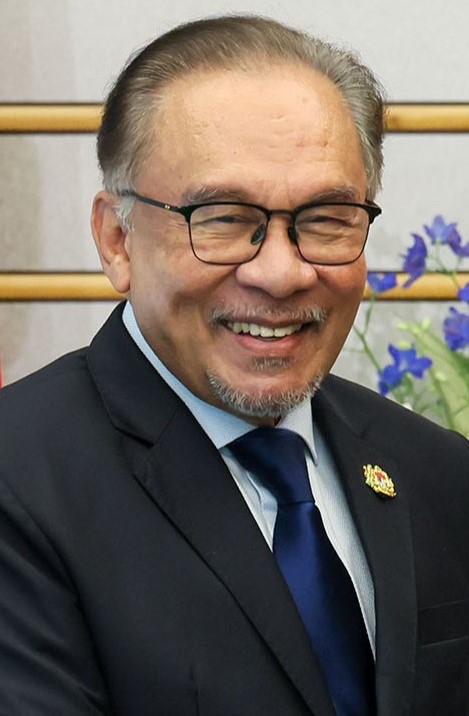
The Regent of Kelantan, Tengku Muhammad Fakhry Petra, received Malaysia's Foreign Minister Fahmi Fadzil at the royal palace in Kota Bharu on June 17, marking a formal engagement between federal and state-level leadership on matters of mutual concern. The audience provided an opportunity to address the growing menace of counterfeit online accounts that have been circulating under the names of prominent Kelantan figures, a phenomenon that has prompted heightened scrutiny from both state authorities and federal agencies tasked with regulating digital spaces.
The issue of fraudulent social media accounts has emerged as a significant problem across Malaysia, where impersonators create profiles mimicking government officials, royalty, and business leaders to perpetrate scams, spread disinformation, or damage reputations. In Kelantan's context, such fake accounts present a particular challenge given the state's role as a major cultural and political centre. The circulation of fabricated posts attributed to state leadership can undermine public trust, sow confusion among citizens, and complicate the authorities' ability to communicate authentic policy positions and directives to residents.
Fahmi's visit underscores the federal government's commitment to tackling digital fraud and online impersonation through coordinated action with state administrations. The Foreign Ministry's involvement, while perhaps unexpected at first glance, reflects the increasingly transnational nature of cybercrimes and misinformation campaigns that often originate from or route through foreign jurisdictions. This reality has compelled Malaysia's diplomatic apparatus to collaborate with local law enforcement and state governments in identifying the sources and networks behind such schemes.
The meeting agenda extended beyond the narrow confines of social media abuse to encompass wider issues affecting Kelantan's development and governance. State-level concerns typically range from infrastructure investment and economic diversification to education, healthcare delivery, and administrative efficiency. By engaging directly with the Regent, Fahmi demonstrated the federal administration's willingness to listen to subnational perspectives and incorporate them into policy formulation, a gesture of institutional respect that carries symbolic weight in Malaysia's constitutional framework.
Kelantan, as a state with a distinctive political identity and considerable Islamic cultural significance, has historically maintained distinct relationships with the federal government depending on the partisan composition of both administrations. The current engagement reflects ongoing efforts to ensure functional cooperation regardless of electoral outcomes or political alignments. Such dialogues are essential for addressing challenges that transcend administrative boundaries and require coordinated responses.
The rise of fake accounts targeting officials represents a broader erosion of digital spaces that government bodies increasingly rely upon to communicate with citizens. When impersonators successfully deceive the public, they don't merely commit fraud; they corrode the legitimacy of official communications and create an environment where genuine government announcements face heightened scepticism. This dynamic is particularly problematic in Kelantan, where digital literacy varies across demographics and rural populations may be especially vulnerable to deception.
From a Southeast Asian perspective, Malaysia's struggle with online impersonation mirrors challenges facing neighbouring countries including Indonesia, Thailand, and the Philippines, where similar fake account networks have proliferated. The prevalence of the problem suggests it may be part of larger organised operations rather than isolated incidents. Regional cooperation on cybersecurity and digital verification protocols could help authorities identify common perpetrators and dismantle networks operating across multiple jurisdictions.
The discussion likely also touched upon potential remedial measures, including enhanced verification procedures on social media platforms, public awareness campaigns to help citizens identify fraudulent accounts, and coordination between state authorities and technology companies to expedite the removal of impersonating profiles. These approaches require sustained commitment and technical expertise that individual state governments may lack without federal support and resources.
Fahmi's engagement with the Kelantan Regent also reflects broader institutional trends where foreign ministries have expanded their mandates to encompass digital diplomacy, cybersecurity, and information integrity. This expansion acknowledges that traditional diplomatic functions increasingly intersect with domestic governance challenges, particularly when misinformation and disinformation cross international borders or involve foreign actors.
Looking forward, the outcomes of such high-level discussions should manifest in concrete action plans, including dedicated funding for digital fraud investigation units, coordinated media literacy initiatives, and clearer protocols for public verification of official announcements. The meeting between Fahmi and Tengku Muhammad Fakhry Petra represents an important moment of acknowledgment that protecting the integrity of public discourse requires alignment between federal and state authorities.
For Malaysian citizens, particularly in Kelantan, the implications are significant. A state where official communications are reliably authenticated and fraudulent impersonators are swiftly removed from digital platforms becomes one where governance is more transparent and corruption is harder to facilitate. The challenge now lies in translating diplomatic dialogue into operational improvements that restore public confidence in both government institutions and the digital spaces where they increasingly operate.