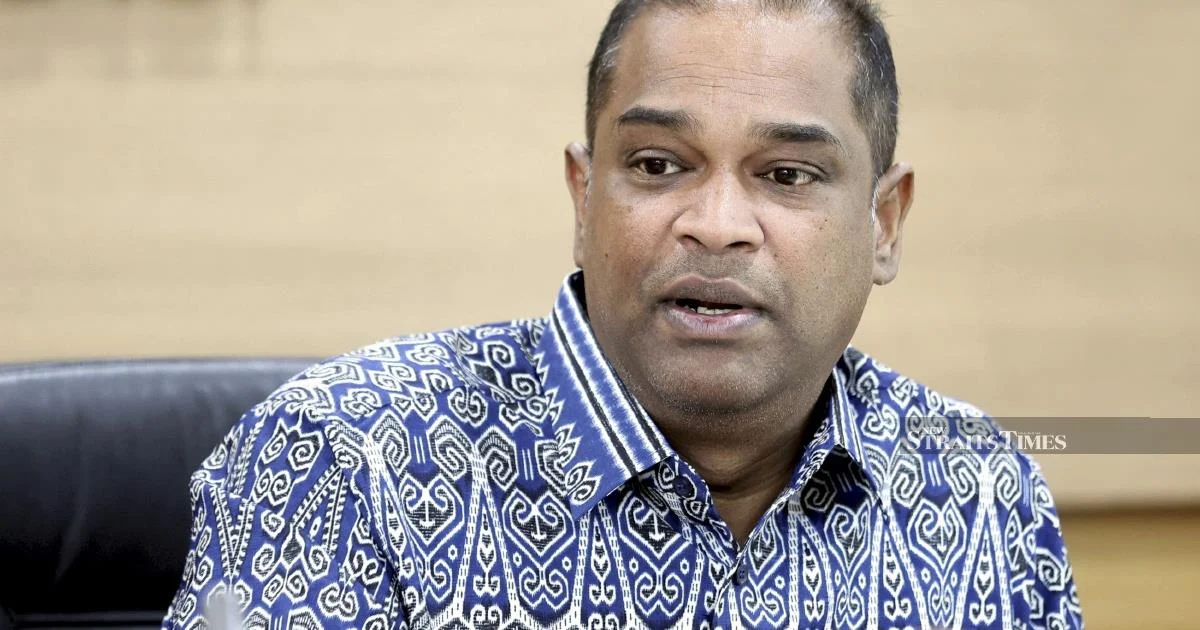
Political leaders must resist the temptation to weaponise the royal institution for electoral advantage, PKR vice-president Datuk Seri R. Ramanan said in Johor Baru, drawing attention to a troubling pattern as the state gears up for its 16th state election.
Ramanan's admonition signals growing concern within the opposition coalition about how candidates and party figures from various political camps have sought to invoke royal support or favour during the campaign period. The timing of such statements underscores the sensitive nature of engaging hereditary institutions in democratic contests, where electoral calculations and institutional dignity often collide.
The comments reflect a broader anxiety within Malaysian politics about the erosion of the monarchy's non-partisan standing. Historically, the constitutional monarchy has served as an unifying symbol above partisan fray, yet the intensity of recent election cycles has tested this principle. When political operatives invoke royal preferences or attempt to claim royal endorsement, they risk transforming a revered institution into just another tool for winning votes.
For PKR, which anchors the Pakatan Harapan coalition that has governed several states, the warning carries particular weight. The party's stance suggests it views the politicisation of royal symbols as corrosive to democratic norms and potentially damaging to public trust in both political institutions and the monarchy itself. By speaking publicly, Ramanan seeks to establish a moral boundary that transcends party interest.
Johor has always occupied a unique constitutional position within Malaysia's federal structure, given the Johor Sultanate's historical prominence. The state's royal household commands considerable influence and affection among the population, making any suggestion of royal preference in elections particularly potent and potentially divisive. Citizens may interpret political claims about royal support as reflecting genuine institutional views, even when such claims lack foundation.
The pre-election environment in Johor has intensified political rhetoric across multiple fronts, with candidates from Barisan Nasional, Pakatan Harapan, and Perikatan Nasional all competing aggressively for voter attention. Against this cacophony, any invocation of royal sentiment carries outsized amplifying power, lending apparent legitimacy to campaign messages that might otherwise receive less credence.
Ramanan's intervention also addresses the practical problem of verification. When political actors claim royal backing or suggest royal preferences, the monarchy faces an uncomfortable choice: remain silent and risk public misinterpretation, or issue clarifications that inadvertently inject the institution into political discourse. Either path compromises the non-partisan neutrality that preserves the Crown's constitutional role and popular reverence across ideological boundaries.
For Malaysian voters, particularly those in Johor, the distinction between royal opinion and political speculation carries profound implications. Many citizens regard the monarchy as custodian of Islam and national identity, roles that transcend electoral politics. When political entrepreneurs blur these lines, they potentially diminish the institution's moral authority and symbolic value to the nation as a whole.
The warning also reflects international best practices in constitutional monarchies, where political leaders across the spectrum typically refrain from claiming royal endorsement or seeking to mobilise royal symbolism for partisan advantage. Malaysia's young democracy benefits from similar restraint, as competing forces gradually learn to contest elections within democratic frameworks rather than invoking unelected institutions to settle political disputes.
Ramanan's remarks come at a moment when Malaysia's political landscape remains fractured and realignment continues following major upheavals of recent years. In this unsettled context, appeals to tradition, legitimacy, and institutional continuity carry heightened resonance. Keeping the monarchy beyond the reach of electoral calculation helps preserve one stable anchor in turbulent political seas.
The Johor election will ultimately be decided by voter preferences expressed through the ballot box, not by claims about royal sentiment. Political leaders who respect this basic democratic principle—and who resist dragging the institution into their campaigns—uphold both democratic integrity and royal dignity. Ramanan's call represents an attempt to elevate the discourse above transactional political manoeuvring, reminding all contenders that some institutions serve their essential function only when kept above the fray.

