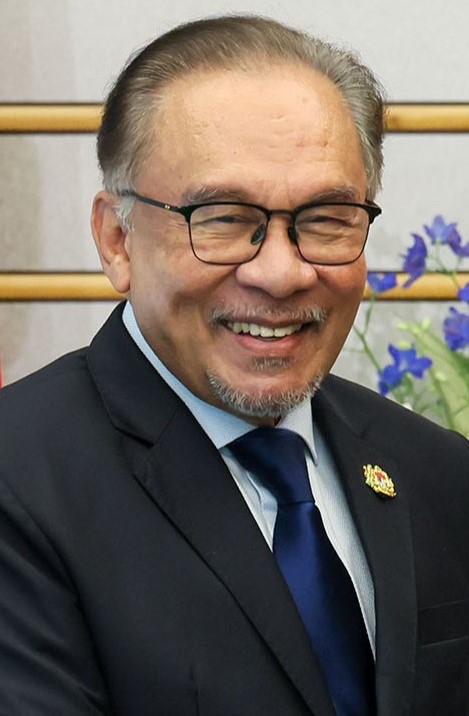
The Malaysian Artistes' Association (Karyawan) is preparing a comprehensive memorandum to submit to Malaysia's Prime Minister, drawing on discussions scheduled for a Music Practitioners Convention this Sunday at Saloma Restaurant in Kuala Lumpur. The initiative reflects growing concern within the industry that structural reforms are needed to strengthen local musicians' livelihoods and create sustainable pathways for emerging talent.
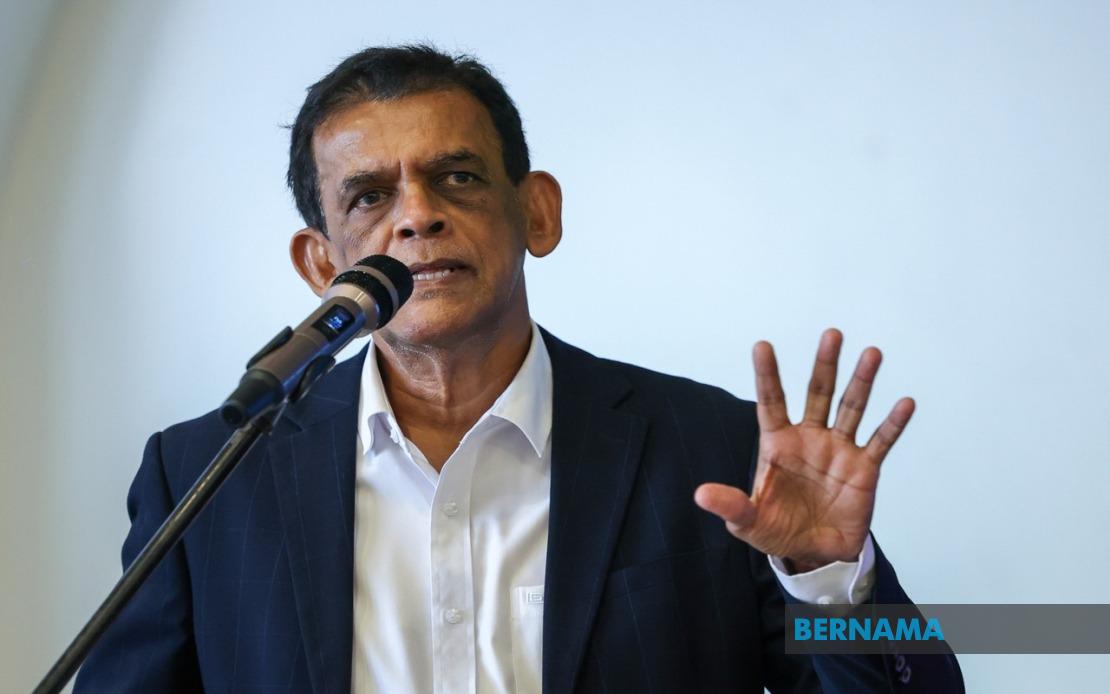
Karyawan president Datuk Freddie Fernandez announced the plans at a press conference, noting that the convention will bring together more than 200 artistes and music sector professionals to deliberate on the industry's pressing challenges. Fernandez painted a sobering picture of the landscape, having observed troubling patterns across his two decades in the field. He characterised the current environment as requiring fundamental renewal and a thorough assessment of systemic weaknesses that have accumulated over time, suggesting that policymakers and industry bodies have not kept pace with evolving market dynamics and international standards.
The memorandum, expected to be finalised roughly one week after Sunday's discussions, will address multiple interconnected issues that practitioners identify as critical. These range from mechanisms to develop the industry sustainably, to the proper integration of artificial intelligence into music production and distribution, equitable royalty allocation, tangible assistance programmes for recording artistes, structured music education initiatives, and transparent career advancement frameworks for those seeking employment within the sector. This comprehensive scope indicates that Karyawan views the convention not as a single-issue forum but as an opportunity to construct a holistic vision for industry transformation.
Royalties remain perhaps the most contentious matter, with Fernandez highlighting data that exposes a stark imbalance in how collected revenue is distributed. His review of annual reports covering the 2002 to 2017 period revealed that record companies accumulated approximately RM700 million in collections, yet only roughly RM20 million flowed to artistes' bodies—a ratio that underscores systemic inefficiency and potential misallocation of resources. For Malaysian musicians who depend partly on royalty income, this disparity has created chronic financial insecurity and incentivised many to pursue supplementary income streams outside their core creative work.
The artificial intelligence dimension reflects a genuinely novel challenge facing the global music industry. Fernandez stressed that AI's rapid advancement demands careful, structured dialogue to devise guidelines capable of protecting musicians' interests while not stifling technological innovation. This balancing act carries particular significance for Malaysia, where AI adoption in content creation is accelerating but policy frameworks remain underdeveloped. The convention offers a rare opportunity for practitioners to voice concerns about copyright, voice synthesis, generative composition, and algorithmic revenue distribution before legislative proposals crystallise.
Fernandez also emphasised that the convention serves a foundational purpose beyond policy advocacy: it gives music practitioners a formal platform to air grievances, seek clarification on murky issues, and build consensus around shared interests. Many practitioners operate in isolation or within fragmented sub-communities, leaving them uncertain about industry-wide problems and best practices. A structured gathering allows grassroots voices to inform national-level recommendations, ensuring that any memorandum to the Prime Minister reflects genuine practitioner concerns rather than elite or bureaucratic priorities.
The convention lineup includes respected industry figures and thought leaders who will facilitate substantive panel discussions. Joe Lee brings activism and advocacy experience, Dr Moja Salim contributes compositional expertise and academic rigour, and Para Rajagopal of Live Nation offers international touring and event management perspective. This diversity of viewpoints should enrich dialogue and expose participants to viewpoints spanning artistic, commercial, regulatory, and educational domains.
One critical theme emerging from Fernandez's remarks is the absence of clear pathways for young musicians to develop professional careers within Malaysia's music ecosystem. Unlike established entertainment industries in larger markets, Malaysia lacks transparent mechanisms to nurture talent from amateur status through to sustainable employment. Music education remains fragmented between academic institutions, private studios, and informal mentorship, with no coordinated progression framework. The convention's focus on career prospects reflects recognition that without structural scaffolding, even talented musicians drift toward international markets or abandon music for more predictable livelihoods.
Fernandez has also signalled openness to legislative solutions, suggesting that industry laws and regulatory reforms may be necessary complements to voluntary initiatives and industry self-regulation. This signals that Karyawan's recommendations will likely request government action beyond rhetorical support, including statutory provisions governing royalty distribution, mandatory transparency reporting, AI safeguards, and potentially financial support mechanisms such as grants, subsidised training programmes, or tax incentives for music enterprise.
For Malaysian readers and regional observers, this convention represents a pivotal moment in the local music industry's formalisation. The memorandum to the Prime Minister will serve as a political litmus test: will government prioritise music sector development as a cultural and economic asset, or will music remain sidelined beneath more politically visible portfolios? The gathering also offers a microcosm of how Southeast Asia's creative industries are attempting to professionalise, consolidate political influence, and position themselves for the digital era. Success here could establish a template for similar advocacy efforts across the region's music, film, and performance sectors.