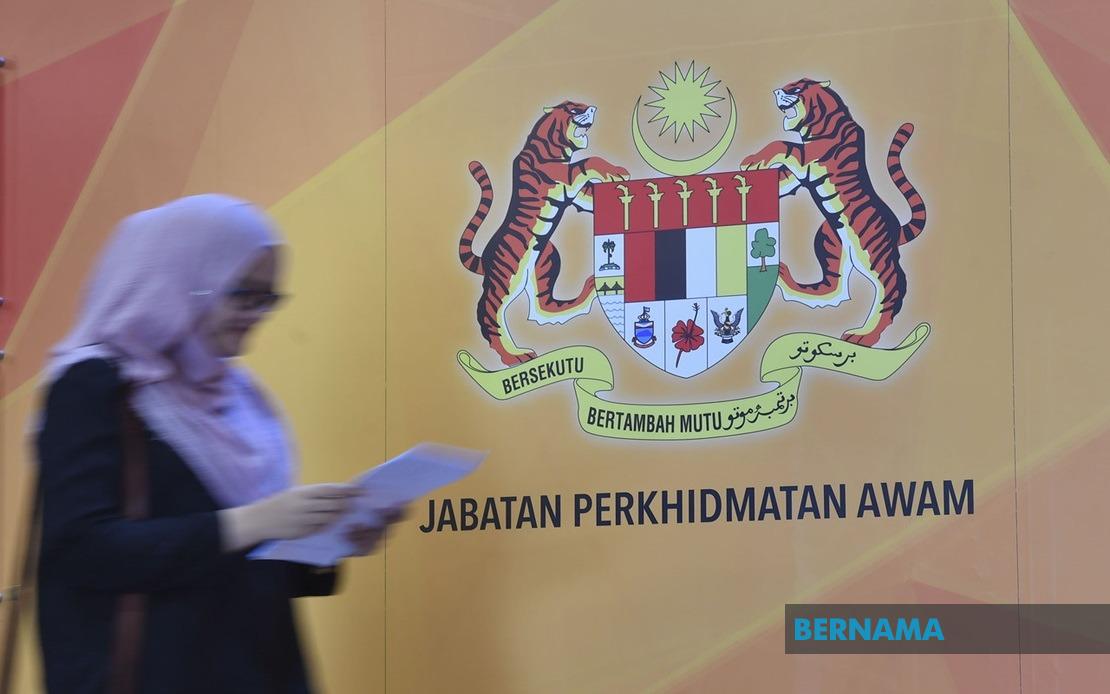
Malaysia's Public Service Department (JPA) has announced a substantial intake of 640 sponsorship slots for 2026 SPM graduates, reinforcing the government's commitment to cultivating a highly skilled workforce capable of advancing the nation's economic and social development. The announcement represents a strategic investment in human capital formation, aligned with the MADANI Government's broader vision of strengthening Malaysia's competitive standing on the global stage by ensuring access to premier educational opportunities for high-achieving students.
The sponsorship architecture comprises four distinct pathways, each tailored to different strategic priorities and international partnerships. The National Sponsorship Programme provides 30 slots, while 140 positions fall under the Special Programme for Japan, Korea, France and Germany, reflecting Malaysia's deepening ties with these economies. The Special Programme for Domestic SPM Graduates allocates 200 slots to students pursuing tertiary education within Malaysia, and the JPA-MARA Special Programme (PKJM) represents the largest component with 270 available positions, demonstrating the department's commitment to inclusive access across multiple pathways.
The breadth of disciplinary focus reflects contemporary labour market demands and Malaysia's developmental priorities. Successful applicants will be able to pursue studies in engineering, science and technology, and the social sciences across a geographically diverse network of institutions. This multidisciplinary approach ensures that sponsored graduates can address complex challenges spanning infrastructure development, technological innovation, scientific research, and policy formulation—critical areas where Malaysia requires sustained investment in specialist talent.
Geographically, the sponsorship opportunities extend across established educational hubs in the developed world and within Southeast Asia. Recipients can access universities in the United States, Australia, Japan, South Korea, France, Germany, the United Kingdom, and New Zealand, complemented by accredited higher education institutions throughout Malaysia. This international diversification allows students to benefit from varied educational philosophies and research environments while maintaining pathways for those preferring domestic education aligned with local development needs.
The financing mechanism has evolved significantly with the introduction of the Academic Merit-Based Convertible Loan (PBUA) in June 2025, replacing traditional grant-based sponsorship models. This framework ties continued financial support to demonstrated academic performance, creating an accountability mechanism that incentivises excellence throughout a student's tertiary education. The convertible loan structure suggests a hybrid approach where outstanding performers may transition to grant status while others assume loan obligations, balancing fiscal sustainability with merit recognition.
For Malaysian students navigating tertiary education decisions, the sponsorship results became accessible through JPA's online platform beginning at 10 am on 19 June, with applications remaining open for review until 5 pm on 22 June. This condensed window reflects the timing pressures inherent in coordinating international placements, visa processing, and university enrollment across multiple jurisdictions and academic calendars. The digital access mechanism represents modernisation of bureaucratic processes, reducing administrative friction for time-sensitive student transitions.
The significance of this sponsorship initiative extends beyond individual student advancement to national capability development. By systematically identifying and funding academically exceptional SPM graduates, JPA effectively channels Malaysia's human talent toward sectors identified as strategically important. Engineering and technology graduates, particularly those trained at international institutions, can facilitate knowledge transfer and attract high-value industries seeking personnel with globally recognised qualifications. Similarly, social science specialists educated in premier universities return with policy expertise and research capabilities applicable to governance and institutional development.
International partnerships embedded within these sponsorship programmes generate reciprocal benefits beyond direct recipient outcomes. Japanese, Korean, French, and German universities gain exposure to Malaysian talent and potentially build alumni networks that strengthen bilateral relations. Conversely, Malaysian students gain international experience and networks, positioning themselves as intermediaries in cross-border knowledge and business flows. This educational exchange architecture subtly reinforces diplomatic relationships while producing tangible human capital benefits.
For Southeast Asian context, Malaysia's sponsorship commitment stands as a notable regional investment, particularly regarding access to prestigious international institutions. While some neighbouring nations maintain comparable programmes, the scale and geographical reach of JPA's initiative reflect Malaysia's established position as a high-income developing economy capable of sustaining such investments. This capacity distinguishes Malaysia within the broader regional landscape, signalling confidence in targeted talent development as a pathway to sustained competitiveness.
The selection of high-performing SPM graduates through merit-based mechanisms also addresses equity considerations, theoretically ensuring that capability rather than financial circumstance determines access to premium educational pathways. However, the actual socioeconomic composition of successful applicants—whether rural and urban, diverse ethnic backgrounds, and private versus public school origins—would reveal whether the sponsorship architecture truly functions as an equity mechanism or primarily benefits already-advantaged cohorts with superior examination preparation resources.

