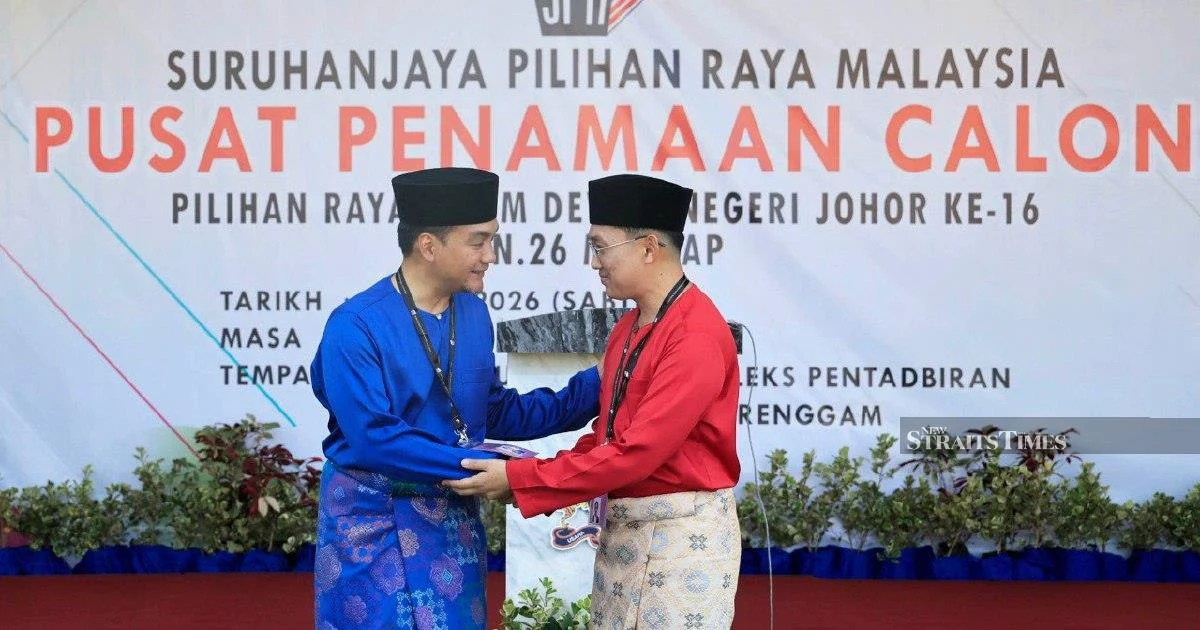
Caretaker Menteri Besar Datuk Onn Hafiz Ghazi has sounded a note of caution about the Johor state election scheduled for July 11, declaring that political outcomes remain genuinely uncertain despite his bid to secure a second term representing the Machap constituency. Speaking at Simpang Renggam, the PAS-aligned leader acknowledged the volatile nature of Malaysian electoral contests and the difficulty in predicting voter sentiment with any confidence.
Onn Hafiz's measured tone reflects the complexity facing Johor's political landscape as voters prepare to cast ballots for a new state assembly. The caretaker leader's warning that "anything can happen" underscores a reality familiar to Malaysian political observers: electoral contests, particularly at the state level, often defy conventional predictions and can hinge on localised issues, personality dynamics, and shifting coalitional arrangements that extend beyond national political narratives.
The Machap seat, where Onn Hafiz seeks to retain his position, carries particular significance for the direction of Johor's future administration. His contestation of this specific constituency reflects the common practice among chief ministers of leading their governments from a local electoral base. The July 11 election will determine not only individual assembly seats but the overall composition of Johor's government, with potential consequences for the state's developmental trajectory and policy direction across multiple sectors including economic development, education, and infrastructure.
Johor occupies a crucial position within Malaysia's political economy. As the nation's second-largest state by economic output and a significant contributor to federal revenue through port operations, manufacturing, and agricultural activities, the outcome of its state elections reverberates beyond Johor's borders. An altered political configuration in the state could influence interstate relations, resource allocation, and the broader stability of Malaysia's federal system, particularly given Johor's historical significance as a stronghold for the United Malays National Organisation and its successor coalitions.
Onn Hafiz's candid acknowledgement of electoral unpredictability may reflect awareness of several destabilising factors. The Malaysian electorate has demonstrated increasing volatility in recent years, with swing voting becoming more pronounced and traditional demographic patterns no longer guaranteeing predictable outcomes. Local grievances over service delivery, infrastructure development, and economic opportunities frequently override broader political considerations at the state level, requiring candidates and their campaigns to maintain vigilance and ground-level engagement throughout the contest period.
The caretaker leader's approach to his Machap campaign indicates he recognises the necessity of treating every contest with genuine intensity and resource commitment. In Malaysian politics, complacency among incumbent representatives, particularly those seeking second terms, has repeatedly proven costly. The warning implicit in Onn Hafiz's statement serves as both a realistic assessment of electoral dynamics and a signal to his supporters and party machinery that sustained effort remains essential rather than assuming reelection on the basis of incumbency or conventional advantages.
The broader Johor election context encompasses multiple constituencies where outcomes similarly appear genuinely competitive. The state's political composition has shifted notably in recent years, with PAS consolidating influence and Umno-led coalitions experiencing variable performance. This reconfiguration creates genuine uncertainty about which parties and coalitions will emerge victorious and what governance arrangements might subsequently emerge, particularly given Malaysia's complex multiparty system and the possibility of post-election negotiations reshaping initial electoral results into different administrative configurations.
For Malaysian observers and regional watchers, Johor's July 11 election serves as a significant indicator of broader political sentiment and the resilience of specific party machines. The state's outcome may foreshadow patterns relevant to potential future national elections and provide insights into voter priorities across different regions and demographic categories. Onn Hafiz's cautionary remarks acknowledge these wider implications while remaining focused on the immediate challenge of retaining his position and his coalition's control of the state government.
The caretaker Menteri Besar's openness about electoral uncertainty also reflects professional political maturity. Rather than projecting unwarranted confidence or making overconfident predictions prone to backfire, he has adopted a more prudent stance acknowledging the genuine factors that could influence outcomes. This approach allows him space to mobilise his campaign more effectively without being bound by earlier pronouncements that events might subsequently disprove, a consideration that becomes increasingly relevant as polling day approaches and final campaigning intensifies across all affected constituencies throughout Johor.

