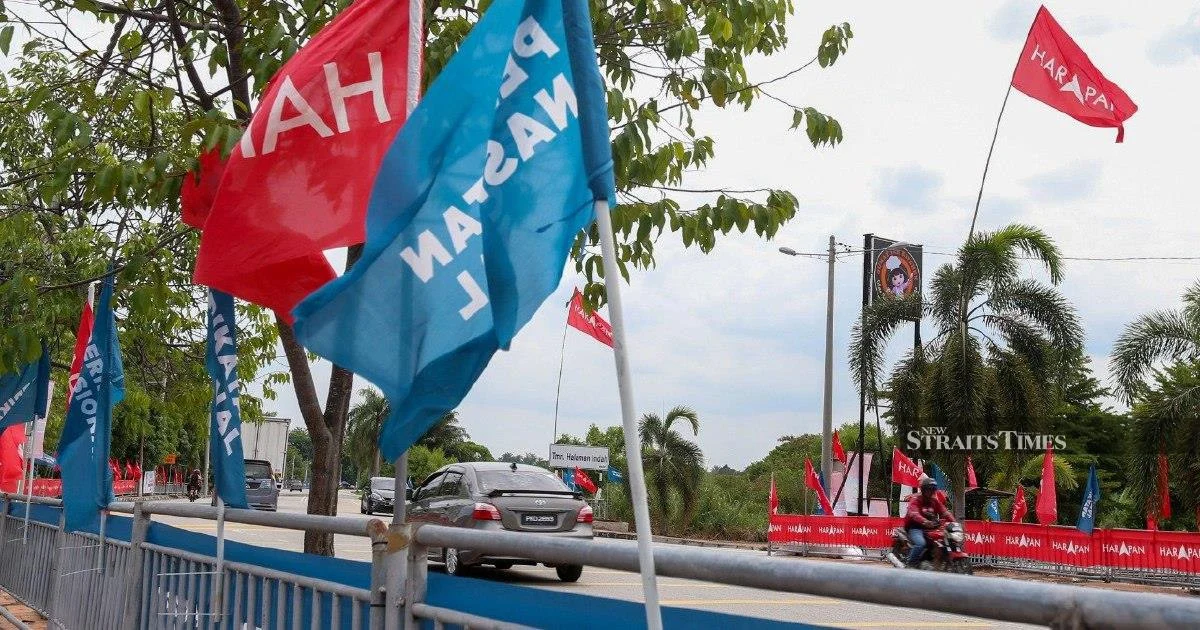
The 16th Johor state election officially entered its nomination phase today as candidates across all 56 state constituencies submitted their papers, signalling the beginning of an intensified campaign season throughout the southern peninsula state. This pivotal procedural step transforms the electoral competition from behind-the-scenes party machinations into public contestation, with aspiring representatives now formally registered to seek the mandate of voters.
Nomination day represents a critical juncture in Malaysia's state-level politics, functioning as the legal threshold that converts political interest into constitutional candidacy. For Johor, a state that has traditionally wielded considerable influence within the broader Malaysian political landscape, the submission of nomination forms across all 56 seats underscores the competitive dynamics at play. The simultaneous filing across multiple constituencies indicates the organisational readiness of participating political coalitions and their capacity to mobilise candidates across diverse demographic and geographical battlegrounds.
Johor remains strategically significant within Malaysian politics, serving as a bellwether for federal-level sentiment and operating as a substantial vote bank for national political parties. The state's electoral trajectory invariably influences the broader political conversation at the national level, making the nomination process here worthy of close observation by political analysts and observers tracking Malaysia's evolving democratic patterns. The simultaneous commencement of the nomination process across all constituencies suggests a coordinated electoral calendar designed to maintain parity and ensure equal campaign duration across all contested seats.
The formal registration of candidates establishes the official roster against which voter choice will ultimately be exercised. This procedural transparency serves a dual function: it provides electorate with clarity regarding the available options while simultaneously creating the legal framework within which campaign conduct will subsequently be evaluated and regulated. Election authorities will have utilised nomination day to verify the credentials and eligibility of all submitted candidates, ensuring compliance with statutory requirements governing candidacy qualifications.
Multiple political coalitions are anticipated to contest the 56 seats, reflecting the competitive multiparty environment characteristic of contemporary Malaysian state elections. The distribution of candidate nominations across constituencies will reveal the strategic positioning of major political blocs, indicating where parties perceive competitive advantage or defensive necessity. The Johor electorate, numbering in the millions, will ultimately determine the composition of the state assembly based on electoral outcomes across these 56 contested seats.
For Malaysian voters monitoring political developments, nomination day serves as the practical commencement of the electoral campaign proper. While political positioning has certainly occurred in preceding weeks, the formal submission of nominations transforms abstract political ambition into concrete contestation. This transition from preparatory phases into the official campaign period carries implications for the tone, visibility, and intensity of political messaging across Johor during the intervening weeks before polling day.
The 56 constituencies encompass diverse voter demographics, from urban centres characterised by younger, more transient populations to rural areas with established community networks and traditional voting patterns. The diversity of these constituencies necessitates tailored campaign strategies, as political parties must craft messaging responsive to the distinct priorities of voters across Johor's geographical and socioeconomic spectrum. Nomination day's completion signals that all major contenders have committed their preferred candidates to this multi-front electoral competition.
For Southeast Asian observers interested in Malaysia's democratic practices, the Johor election provides insight into how a major Malaysian state manages electoral administration and political competition. The coordination required to facilitate nomination across 56 constituencies simultaneously demonstrates the institutional capacity of the state's election management apparatus. The professionalism and transparency of this process contribute to public confidence in electoral outcomes and the legitimacy of subsequently elected representatives.
The campaign period following nomination day will determine whether incumbent holders and established political forces retain their constituency positions or whether challenger candidates succeed in displacing entrenched representatives. Voter sentiment regarding state-level governance, economic management, and local development priorities will crystallise through the campaign discourse and ultimately manifest in electoral results. The stakes extend beyond state assembly composition, as the Johor result influences perceptions of political momentum and organisational strength for the political coalitions contesting these seats.
As nomination day concludes and the formal campaign commences, Johor enters a critical phase of its electoral cycle. All 56 constituencies now possess their registered candidates, the campaign machinery of competing political parties will intensify engagement with voters, and the media landscape will reflect intensified focus on state-level political competition. The next phase of this electoral marathon will test the campaign competence and popular appeal of all nominated candidates across Johor's diverse constituencies.

