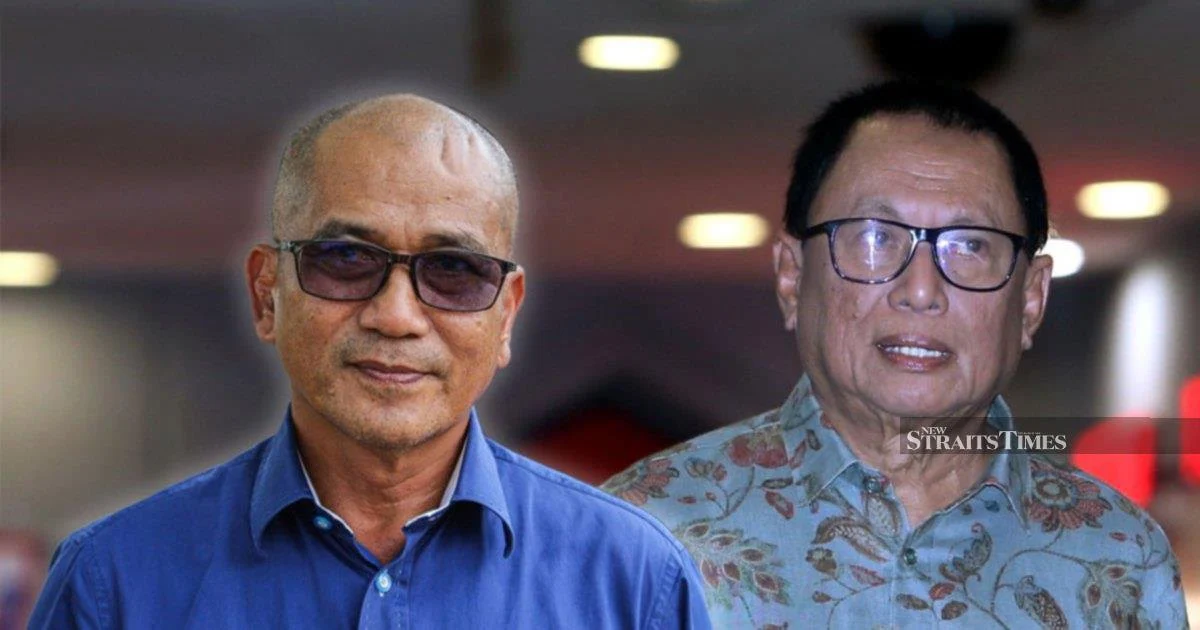
The leadership of Umno in Johor has mounted a vigorous defence against claims levelled by Datuk Dr Mohd Puad Zarkashi, the former speaker of the state legislative assembly, dismissing his allegations as gravely slanderous remarks that they say warrant serious consideration from relevant authorities.
The dispute centres on decisions made surrounding the dissolution of the Johor state assembly on June 1, an event that triggered considerable political activity across the southern Malaysian state. Puad Zarkashi, who previously held the prestigious position of speaker before stepping down from the role, has made public statements that party leadership in Johor contests vigorously, viewing them as damaging misrepresentations of their actions and intentions during the period leading up to and following the assembly's dissolution.
The confrontation between the former speaker and current state party leadership reflects broader tensions within Johor's political establishment. As a prominent figure in state politics, Puad Zarkashi's previous role as speaker positioned him as an important institutional figure, making his recent public comments particularly consequential in the eyes of those he has criticised. His allegations, according to the Umno leaders responding to his claims, contain fundamental inaccuracies that they argue require public rebuttal to protect their reputations and set the record straight regarding the decision-making processes that preceded the assembly's dissolution.
For Malaysian political observers and regional watchers, the timing and nature of these allegations carry significance beyond Johor itself. The state assembly dissolution in June represented a pivotal moment in Johor politics, setting off a chain of electoral and governmental developments. Understanding the underlying disagreements between Umno state leadership and senior figures like Puad Zarkashi provides insight into the factional dynamics and decision-making frameworks that shape governance in one of Malaysia's most politically significant states.
The characterisation of Puad Zarkashi's claims as slander by state Umno leaders suggests they view his statements as not merely disagreements over policy or political strategy, but rather as deliberate misrepresentations of fact designed to damage their standing. This distinction matters considerably in the Malaysian political context, where accusations of impropriety or misconduct can have lasting reputational consequences and potentially trigger formal investigations or legal proceedings depending on the specific nature and substantiation of the claims involved.
The background to these tensions likely involves competing versions of events leading up to the assembly's dissolution. Political decisions of this magnitude typically involve complex negotiations, consultations with party members, state officials, and considerations of broader political positioning. Where there is disagreement about how these events unfolded, former and current office-holders may offer substantially different narratives about who proposed dissolution, on what grounds, and whether proper procedures were followed in reaching such a consequential decision.
For readers throughout Southeast Asia with interest in Malaysian politics, the Johor situation illustrates how even senior and experienced politicians can find themselves at loggerheads over foundational questions of political legitimacy and procedural propriety. The fact that a former speaker—someone with deep institutional knowledge and authority—feels compelled to make public allegations against current party leadership, and that state leaders respond with equally forceful denials, suggests substantive disagreements over governance matter significantly within Umno's Johor operation.
The implications of this dispute extend into several domains. First, it affects the internal cohesion of Umno in Johor at a time when the party faces broader challenges across Malaysia and seeks to consolidate its political positioning. Second, it raises questions about the decision-making processes surrounding major state-level governmental changes and whether there are adequate mechanisms for ensuring such decisions are reached through transparent, accountable procedures that command broad support among party members and elected representatives. Third, the public nature of these allegations and denials creates an ongoing narrative that could influence voter perceptions as Johor moves through subsequent electoral cycles.
Puad Zarkashi's decision to make his concerns public rather than address them through internal party channels suggests either that internal mechanisms failed to provide him an adequate forum, or that he determined the issues at stake were sufficiently serious to warrant public intervention despite potential political costs. This strategic choice itself tells us something about the gravity with which he views his allegations and his assessment of how seriously party leadership would engage with his concerns through quieter approaches.
Moving forward, the responses from Johor Umno leadership will likely set the tone for how these allegations are perceived within party circles and among voters more broadly. The strength and specificity of their denials, and whether they provide detailed factual counter-narratives to Puad Zarkashi's claims, will influence whether this remains an internal party squabble or develops into a broader credibility question affecting Johor's political trajectory. How both parties conduct themselves in the coming weeks—whether escalating tensions or seeking resolution—will indicate whether reconciliation remains possible or whether this represents a more fundamental breakdown in relationships within state Umno leadership.

