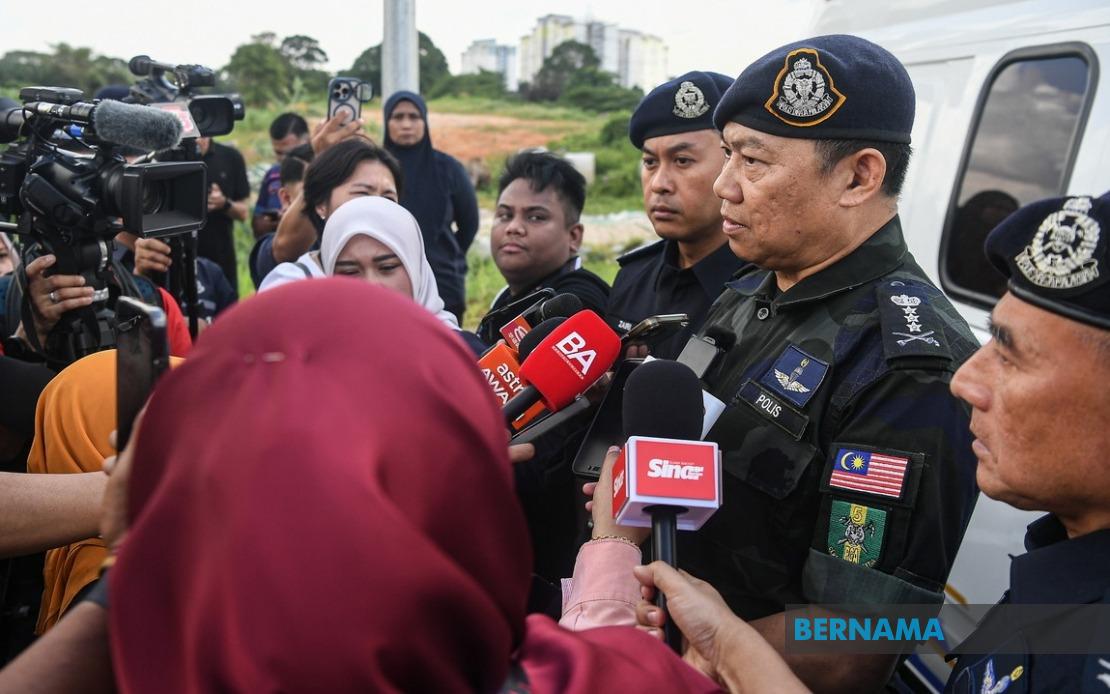
The nomination process for Johor's 16th state election unfolded without disruption on June 27, with all 56 nomination centres across the state operating smoothly throughout the day. The uneventful proceedings represent a logistical success for election administrators and reflect the cooperation of political parties as candidates formally submitted their nominations ahead of campaigning. Johor police chief Datuk Ab Rahaman Arsad confirmed that no incidents were reported that could have compromised the integrity of the process, underscoring the relative stability and order maintained during this critical stage of the electoral cycle.
To secure the smooth operation, law enforcement mobilised an extensive presence across the state. A total of 4,832 police officers and personnel were stationed at nomination centres and surrounding areas, representing a substantial commitment of resources to prevent disruptions and maintain public order. This deployment level reflects standard election security protocols in Malaysia, where police presence serves both to deter potential troublemakers and to reassure the public that the nomination process would proceed fairly and without interference. The visible police presence likely contributed to the incident-free day, as candidates and their supporters understood that authorities were vigilant and prepared.
The successful completion of nominations marks a significant milestone in the electoral calendar for Johor. With the state's voters now awaiting the formal campaign period, the nomination day demonstrated that the machinery for conducting democratic elections remains functional and capable of managing the logistical complexity of registering candidates across multiple constituencies. For candidates who successfully submitted their papers, the day represented validation of their qualifications and readiness to contest the state polls. For election officials, it confirmed that the nomination centres were adequately resourced and staffed to process applications efficiently.
Authorities have already begun issuing campaign permits to regulate electoral activity during the upcoming campaign period. According to police records, 26 campaign permits had been approved statewide by the time nomination day concluded, with expectations that additional permits would be issued as parties and candidates formally launch their campaigns. These permits ensure that campaign activities such as rallies, roadshows, and public gatherings occur at designated times and locations, preventing the kind of uncontrolled campaigning that could lead to conflicts between rival groups or public disturbances.
Johor police chief Ab Rahaman used the occasion to remind all political parties and candidates of their obligations to campaign responsibly and within the bounds of Malaysian election law. His remarks underscore the fine balance that authorities must strike during electoral periods: facilitating democratic participation while preventing activities that violate electoral rules or threaten public safety. The police reminder serves as an early notice that while campaigning is permitted, it must be conducted in a manner that respects the law, maintains civil order, and protects the rights of all citizens to participate in the democratic process without fear or intimidation.
The chief also issued a broader warning against any actions that could destabilise public order during the campaign period. This language reflects concerns that have emerged during previous Malaysian elections, where heated campaign rhetoric, crowd gatherings, or confrontations between supporters of rival parties have occasionally escalated into violence or property damage. By signalling police readiness to intervene where necessary, authorities aim to set clear boundaries for acceptable campaign conduct while maintaining a deterrent effect against would-be troublemakers.
The Election Commission has established a clear timeline for the final stages of the electoral process. Early voting has been scheduled for July 7, allowing voters in specific circumstances—such as election workers, police personnel, and those unable to vote on polling day—to cast their ballots in advance. This early voting window helps ensure that such voters are not disenfranchised and allows election officials to conduct final checks before the main polling day. The commission has designated July 11 as polling day, giving voters more than two weeks from the nomination date to consider their choices, hear campaign messages, and prepare to exercise their franchise.
For Malaysian observers and Southeast Asian analysts, Johor's election carries broader significance beyond the state's boundaries. Johor is Malaysia's second-largest state by population and possesses substantial economic importance, hosting major industrial zones, port facilities, and serving as a gateway between Malaysia and Singapore. The outcome of this election will influence the political landscape of the country and could affect policy directions on issues ranging from economic development to intergovernmental relations. An incident-free nomination day suggests that electoral processes in the state remain reasonably institutionalised and that political competition, while genuine, has not descended into lawlessness.
The police deployment and nomination day procedures also reflect Malaysia's experience with conducting elections in a multiethnic, multireligious society where electoral competition intersects with communal identities. The emphasis on law and order, the detailed planning, and the robust security presence reflect institutional learning about how to manage elections in a context where electoral outcomes can carry implications for intercommunal relations. The successful nomination day thus represents not merely a procedural milestone but also an indicator that electoral institutions in Johor retain the capacity to manage democratic processes responsibly.
As the campaign period approaches, attention will shift to how the various contenders conduct their efforts to win voter support. The 16th Johor state election will test whether the orderly conduct observed during nominations can be sustained throughout the campaign period and up to and including polling day. With the timeline now locked in place and candidates officially in the race, voters in Johor's 56 state constituencies will soon begin evaluating the competing visions and promises offered by the various parties and individual candidates seeking their votes.

