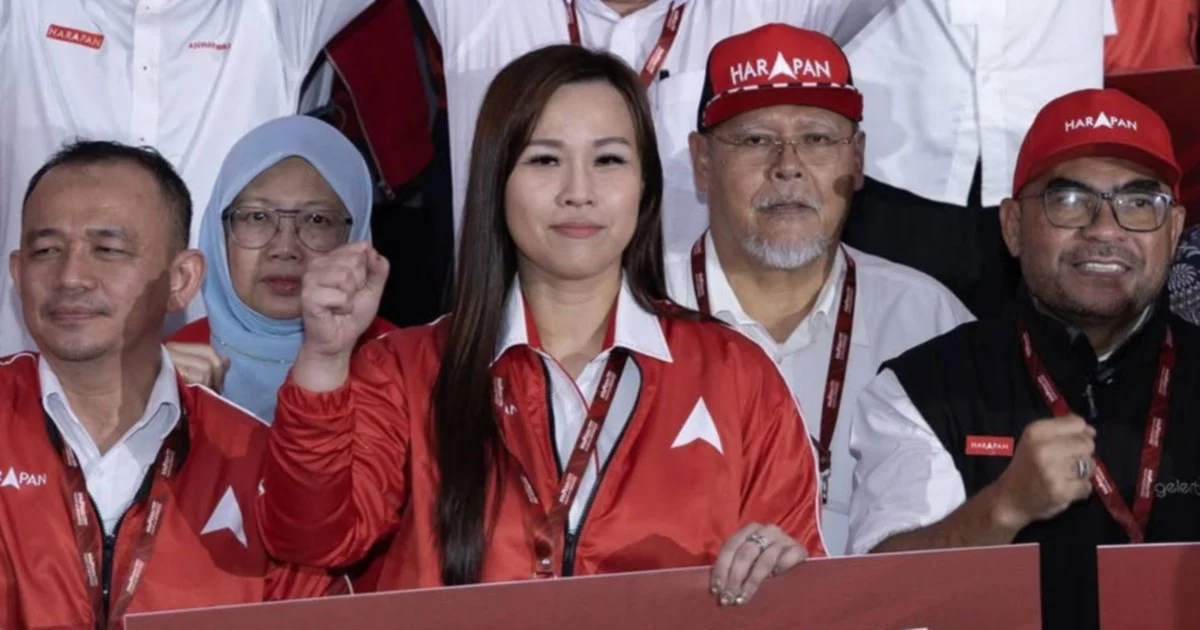
Tension has surfaced within Pakatan Harapan's camp in Johor as the Pasir Gudang branch of Amanah declared its intention to boycott the coalition's chosen candidate for the Permas state constituency in the forthcoming 16th state election. The party unit's rejection of Sharon Teo represents a significant internal discord just as the opposition coalition prepares for electoral contest, raising questions about cohesion at the grassroots level across the state's southern precincts.
The Amanah faction's refusal to campaign for Teo reflects mounting frustration within party structures over what members characterise as "parachute" candidacy—a term used to describe individuals selected from outside the local political establishment without meaningful engagement or endorsement from constituency-level party machinery. This grievance speaks to broader tensions over how selection processes operate within coalition structures, particularly whether local party members retain meaningful voice in determining representation.
Pasir Gudang's stance highlights a recurring friction point in Malaysian coalition politics: the tension between centralised decision-making and grassroots autonomy. When higher-level party leadership imposes candidates against local preferences, it can erode morale among volunteer activists who provide crucial ground-level mobilisation during campaigns. The boycott signals that such top-down approaches risk generating passive resistance rather than enthusiastic backing, potentially affecting campaign intensity and voter outreach effectiveness.
For Pakatan Harapan in Johor, this internal discord arrives during a period when the state remains a critical electoral battleground. The coalition's performance in Johor significantly influences national political calculations, and discord within the state apparatus—even at the constituency level—can have cascading effects on overall campaign momentum. The coalition's leadership faces pressure to demonstrate internal discipline while managing diverse faction interests across the state.
The Permas constituency has historically been contested terrain, making candidate selection particularly consequential. Sharon Teo's background and path to nomination require examination within this context. External candidates sometimes bring unique advantages such as specialised expertise or fresh political profiles, yet local constituency parties often view such appointments as marginalising their established networks and preferred candidates who have built relationships within communities over extended periods.
Amanah's position in Johor remains numerically smaller than Pakatan Harapan's larger constituent parties, and internal boycotts or non-cooperation can disproportionately affect electoral outcomes in closely-contested constituencies. The party unit's decision to withhold active support signals willingness to risk coalition harmony rather than accept perceived slights to local democratic processes. This raises questions about whether the underlying selection decision adequately considered grassroots consultation mechanisms within partner parties.
The episode also illuminates dynamics affecting opposition mobilisation across Southeast Asia more broadly. When coalition partners experience friction over candidate selection, it can suppress voter enthusiasm and reduce the comparative advantage opposition forces might otherwise gain against governing coalitions. In Malaysia's intensely competitive electoral environment, such internal management failures can prove consequential in marginal constituencies where victory margins remain thin.
Beyond immediate electoral calculations, Amanah's boycott stance potentially reflects deeper concerns about organisational legitimacy. Grassroots party members invest time and resources on the assumption their voices shape party direction. When that assumption appears violated, organisational commitment can falter. The Pasir Gudang situation suggests that at least some party activists view the selection process as insufficiently transparent or consultative, raising questions about whether coalition partners maintain adequate internal democratic mechanisms.
The timing of this announcement—as campaigns prepare to mobilise—adds significance. Unlike private disagreements resolved behind closed doors, public declarations of boycott create visible fissures that voters and rival campaigns observe. This transparency may pressure coalition leadership to address underlying grievances before similar boycott threats emerge from other quarters, or alternatively may encourage other dissatisfied units to voice opposition more openly.
Packatan Harapan will likely attempt damage control, potentially through dialogue with Pasir Gudang Amanah leadership aimed at securing at least nominal cooperation even if enthusiasm remains muted. The coalition's stakes in Johor make resolving such disputes essential, yet resolution mechanisms must balance accommodating local concerns against maintaining leadership credibility regarding candidate selection authority. Any major concessions might encourage similar boycott threats elsewhere, while entirely dismissing local concerns risks perpetuating internal resentment.
For Malaysian voters assessing opposition viability, such internal dynamics carry significance. Coalition cohesion matters not only for campaign effectiveness but also for governance credibility, as voters evaluate whether opposition partnerships can function harmoniously under pressure. Public discord about candidate selection processes subtly signals potential governance challenges if the coalition ever assumes power, suggesting difficulty in managing differences across partner organisations.
The Permas contest will ultimately test whether boycott declarations translate into reduced campaign efforts. Sometimes public disagreement masks behind-the-scenes arrangements whereby dissatisfied units provide minimal support but avoid active sabotage. Other instances see genuine withdrawal of volunteer labour and grassroots mobilisation. The election outcome in this constituency may illuminate which scenario materialises, offering insight into the depth of Amanah's grievance and the boycott's ultimate electoral impact.

