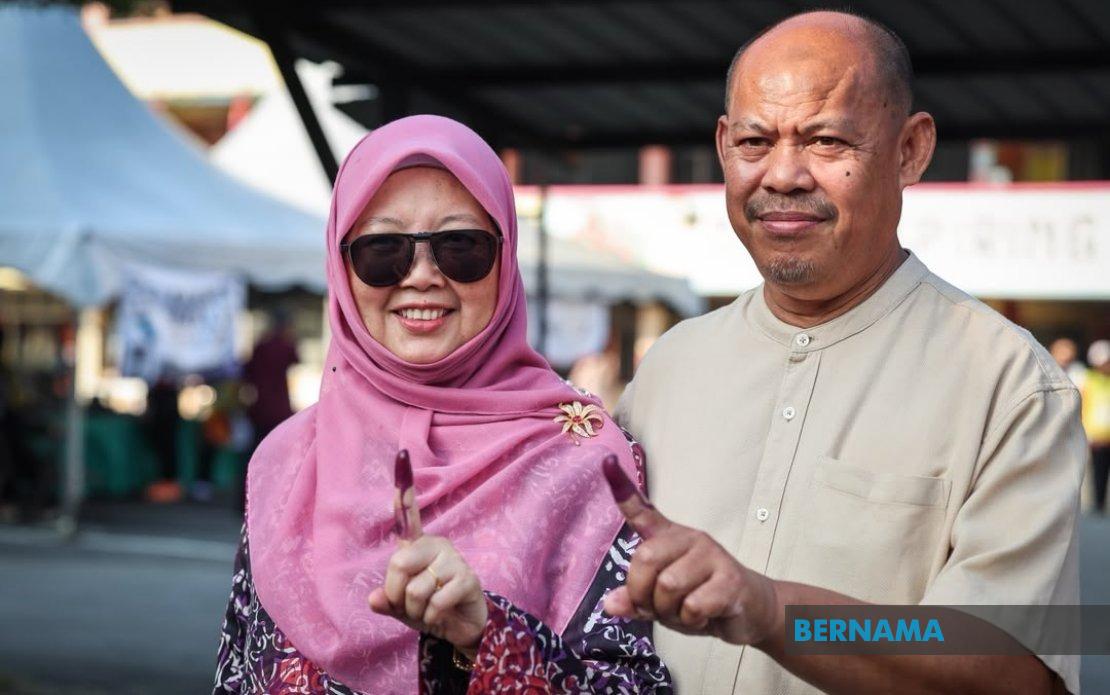
The 16th Johor state election unfolded on July 11 with notable visibility from the upper echelons of competing political parties, as key figures made their way to polling stations during the early morning hours to exercise their voting rights. The high-profile participation of party leadership in the electoral process underscored the significance of the contest and set the tone for what observers anticipated would be a closely watched engagement between rival factions seeking to govern Malaysia's southern heartland.
Datuk Seri Dr Zaliha Mustafa, who chairs the Johor PKR division, became one of the first prominent figures to cast her vote, arriving at Sekolah Menengah Kebangsaan Bandar Baru Uda in Johor Bahru at 9 am. Her participation carried particular weight given her previous role as Minister in the Prime Minister's Department with responsibility for Federal Territories, a position that had placed her at the centre of federal governance structures. Accompanying her was her husband, Dr Ahmad Adzlan Musa, and together they voted in the Larkin constituency, demonstrating a united household presence at the ballot box during the morning voting window.
Dr Zaliha's appearance at the polling station offered party supporters a visible reminder of leadership commitment to the democratic process while simultaneously providing an opportunity to shape messaging around voter participation. Speaking to journalists after completing her civic duty, she articulated a strategic concern shared by electoral observers: the weather forecast predicted substantial rainfall beginning at midday and persisting through the afternoon hours. This meteorological consideration held genuine consequences for voter turnout patterns, as heavy rain historically deters people from venturing out to vote, particularly among demographics with mobility constraints or those juggling work and family obligations.
Her appeal to Johor residents carried a practical undertone, encouraging early voting to circumvent potential weather-related barriers to participation. The message reflected a broader awareness within political circles that election outcomes could hinge not merely on voter preference but on the mechanics of who successfully mobilises their supporters to overcome logistical obstacles. In a state where competition between coalitions had intensified considerably, maximising turnout among core supporters represented a crucial strategic element beyond policy platforms or campaign messaging.
Paralleling this activity in Johor Bahru, Democratic Action Party leadership mobilised in other parts of the state. Teo Nie Ching, who leads the Johor DAP machinery, cast her ballot at Sekolah Jenis Kebangsaan Cina Kulai Besar in the Kulai district at approximately 9.30 am, extending the pattern of senior party figures prioritising early voting participation. Her presence in the Kulai constituency reflected DAP's efforts to maintain organisational presence across diverse regions within the state, particularly in areas with significant Chinese-speaking populations whom the party traditionally courts.
The coordinated early voting by multiple party leaders suggested a degree of message discipline and organisational preparation that indicated the competing coalitions had invested substantially in pre-election planning. Whether deliberate or coincidental, the prominence of these figures at polling stations generated media coverage that reinforced the narrative of active party engagement with the electoral process itself, rather than merely campaigning beforehand.
For Malaysian observers and regional analysts monitoring Johor's political trajectory, such electoral exercises carry implications extending beyond state boundaries. Johor has long served as a significant political bellwether within Malaysia's federal system, and outcomes there frequently presage broader shifts in national political alignments. A state election presents an opportunity for parties to test campaign strategies, assess grassroots sentiment, and strengthen organisational infrastructure ahead of potential federal-level contests.
The decision by senior PKR and DAP figures to vote prominently in the early hours also communicated something about the intensity with which these parties were pursuing electoral advantage in Johor. The early voting pattern suggested confidence in party machinery and an eagerness to set positive momentum, sending signals to party members and supporters about leadership engagement and determination to succeed in what appeared to be a keenly contested election.
Weather conditions presented a genuine variable in election dynamics, one that political operatives acknowledge can meaningfully affect outcomes. The rainfall forecast that prompted Dr Zaliha's warning represented the type of unpredictable element that parties cannot control but must actively manage through communication strategies and voter mobilisation tactics. Encouraging supporters to vote early essentially represented a defensive measure to protect turnout against environmental factors.
As voting proceeded throughout the day across Johor's constituencies, the early participation by party leadership served as a symbolic reinforcement of democratic engagement. The visible commitment demonstrated by senior figures sent messages to their respective party bases about the importance of the election while simultaneously generating the kind of leadership visibility that party machinery leverages for motivational purposes during campaigns.
The 16th Johor state election thus began with established political figures fulfilling their electoral responsibilities while simultaneously performing leadership roles that extended beyond the simple act of voting itself. Their presence at polling stations early in the day embodied broader party strategies for managing the electoral contest and mobilising support across the state's diverse constituencies and demographic communities.

