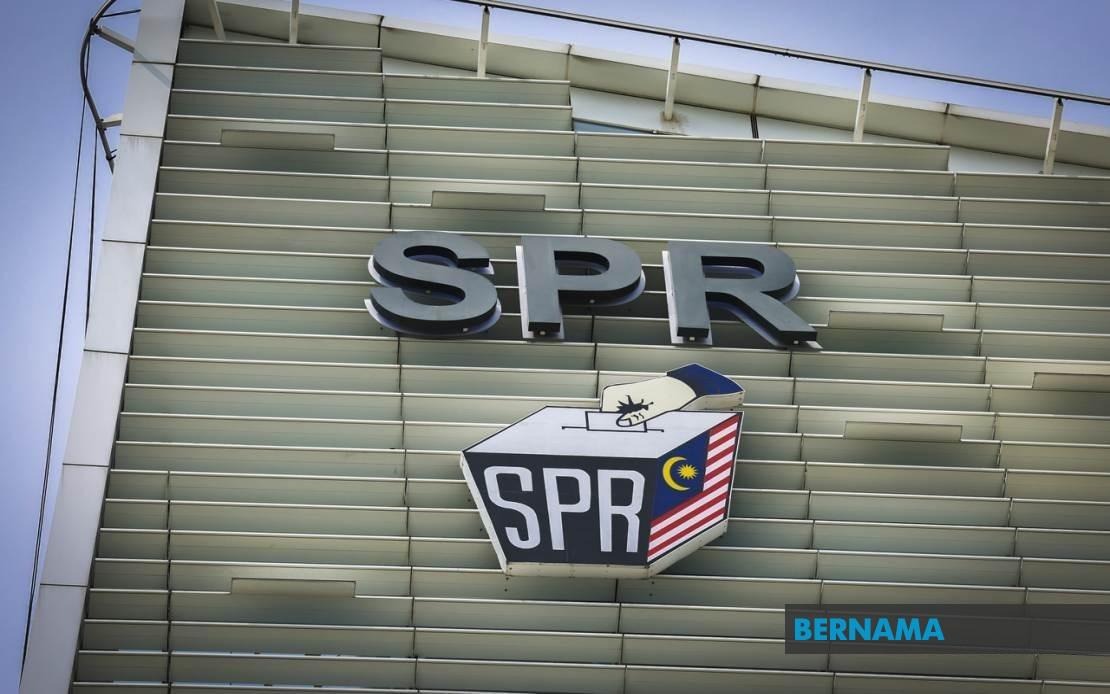
The Election Commission has logged 305 separate complaints and reports relating to breaches of campaign regulations during the 16th Johor State Election campaign, with most infractions involving the improper placement of political materials in prohibited zones. The violations emerged across the campaign period leading up to July 2, reflecting the intense electoral competition unfolding in the southern state as candidates and parties vie for seats in what has become one of Malaysia's most keenly contested recent polls.
Campaign materials displayed in areas restricted by local authorities dominate the breach categories, accounting for 140 of the 305 complaints. This high figure underscores the persistent challenge election officials face in ensuring political parties and candidates adhere to zoning regulations designed to maintain public order and preserve the neutral appearance of urban and municipal areas during election periods. Local authorities across Johor had designated specific zones where campaign materials could and could not be positioned, yet violations appear widespread despite advance notification.
Traffic and safety concerns represent the second-largest category of offences, with 90 reports documenting instances where campaign posters, banners, and signage obstructed driver sightlines or otherwise compromised road user safety. These violations carry particular significance in urban constituencies where high-volume traffic intersects with intensive campaign activity. The blocking of views—whether at intersections, along expressways, or near commercial zones—poses genuine hazards and typically triggers swift removal orders from enforcement personnel.
A more serious category involves 27 cases in which campaign materials were placed within the legally prescribed 50-metre buffer zone surrounding polling centres. These restrictions aim to preserve the political neutrality of voting locations and prevent any appearance of partisan influence at the point of ballot casting. The relatively modest number of such violations may suggest either good compliance around polling stations specifically or effective enforcement removing offending materials quickly.
The remaining 48 complaints encompassed diverse offences ranging from unauthorized use of certain materials to other regulatory breaches not fitting the primary categories. The Election Commission indicated that all reports documented through its Election Campaign Enforcement Teams received appropriate investigative follow-up, though the statement provided limited detail on specific corrective measures or penalties imposed.
To manage compliance across the sprawling state, the commission mobilized 56 Election Campaign Enforcement Teams specifically tasked with enforcing the Election Offences Act 1954. These dedicated units operated throughout the official campaign window, which commenced on nomination day on June 27 and extended through July 10, providing continuous oversight across all constituencies. The deployment represents a substantial operational commitment reflecting the perceived importance of maintaining electoral integrity during the public campaign phase.
The commission emphasized its collaborative approach, working in concert with the Royal Malaysia Police, the Malaysian Anti-Corruption Commission, and the Malaysian Communications and Multimedia Commission to maintain order and prevent violations across multiple enforcement domains. This multi-agency coordination addresses not only physical campaign materials but also broadcast regulations and potential corruption in campaign financing or conduct. The integrated framework signals recognition that election integrity requires coordinated intervention across different jurisdictional authorities.
In its statement, the Election Commission called upon all candidates and participating political parties to observe applicable laws, regulations, ethical codes, and official directives. The appeal stressed that voluntary compliance would facilitate smoother campaign operations and reflected the commission's preference for cooperative adherence rather than purely punitive enforcement. The message implicitly acknowledged that managing 172 candidates across 56 contested seats requires substantial goodwill participation from political stakeholders.
The Johor election represents a significant electoral exercise in the Malaysian context, with early voting scheduled for July 7 and main polling day set for July 11. The 56 state seats attracted competitive candidatures, indicating substantive contested races across most constituencies. The intensity of campaign activity—evidenced by the substantial complaint volume—reflects deep political engagement within the state's electorate and high stakes for both incumbent and opposition formations.
The commission reiterated its commitment to delivering an efficient, fair, transparent, and credible election encompassing the entire campaign period through poll day. This institutional positioning emphasizes that electoral integrity extends beyond voting logistics to encompass the entire democratic cycle, including the pre-election period when candidates and parties communicate directly with voters. The focus on campaign regulation reflects understanding that public confidence in electoral outcomes depends partly on perception of fairly conducted campaigns free from coercive or deceptive practices.
For Malaysian observers and regional analysts monitoring electoral governance standards, the Johor campaign enforcement activity provides insight into practical implementation of election law and the intensity of regulatory oversight. The complaint volume neither suggests systemic breakdown nor perfect compliance, instead reflecting the routine friction inherent in managing large-scale democratic processes involving numerous participants with strong incentives to maximize their visibility and reach. The institutional response through dedicated enforcement teams demonstrates Malaysia's established infrastructure for electoral administration, though ongoing compliance challenges persist despite regulatory clarity and advance warnings.

