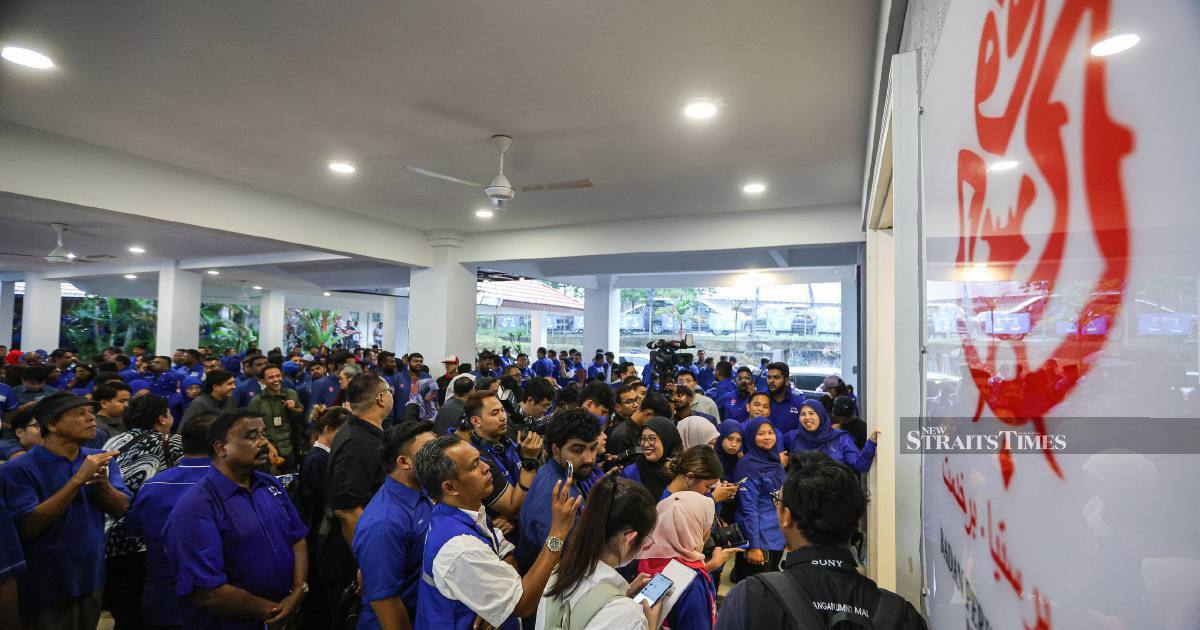
The political momentum in Malaysia's southern powerhouse reached a crescendo on Monday as Barisan Nasional convened at its Johor headquarters to formally introduce the candidates who will carry the coalition's banner into the 16th state election. The gathering of party brass, grassroots members, and enthusiastic supporters underscored the stakes involved in reclaiming electoral dominance in a state where BN has faced mounting pressure from both opposition parties and internal factionalism in recent electoral contests.
Johor remains strategically vital to BN's political calculus at both state and federal levels. As Malaysia's second-largest state by population and a major economic contributor, the peninsula's southern region has traditionally served as a BN stronghold, providing crucial seats and financial resources to the ruling coalition. The urgency surrounding this candidate announcement reflects the coalition's determination to consolidate support ahead of what many analysts expect to be a closely contested race, particularly given the fragmented opposition landscape and lingering voter concerns about governance and economic management.
The decision to hold a formal gathering for candidate revelations signals BN's commitment to building momentum through spectacle and show of strength. By assembling party faithful at headquarters, the coalition aims to generate grassroots enthusiasm that will translate into campaign intensity across all 56 state constituencies. The palpable energy at such events typically indicates internal party confidence, though it also reflects the organization required to coordinate messaging across Umno, MCA, MIC, and other coalition partners who each field their own slate of representatives.
Candidate selection in Johor carries particular complexity because the state encompasses urban centres like Johor Baru and Petaling Jaya-adjacent constituencies that demand careful balancing of demographic interests, as well as rural areas where traditional patronage networks remain influential. BN's success will partly depend on whether it has managed to resolve internal disputes over seat allocations among coalition members—a persistent challenge that has occasionally undermined unity in previous elections. The announcement stage provides an opportunity to publicly demonstrate cohesion, even if negotiations behind closed doors have been contentious.
For Malaysian voters following political developments, the Johor race offers important clues about broader national trends. The state's electoral outcome could influence calculations about the timing and strategy of the next federal general election, which remains a significant concern for Prime Minister Anwar Ibrahim's Pakatan Harapan government. A decisive BN victory would embolden the opposition coalition and create pressure for earlier federal polls, whilst a weak performance might strengthen PH's hand domestically and internationally as a government seeking fresh legitimacy.
The competitive environment in Johor has evolved considerably since BN's traditional dominance. While the coalition still commands substantial organizational advantages and access to state resources, opposition parties—particularly Perikatan Nasional and the increasingly sophisticated Democratic Action Party within PH—have built formidable campaign machinery. Younger voters in urban constituencies display less automatic loyalty to BN, instead voting based on performance metrics and perceived competence. The candidates announced today will need to address these shifting voter preferences whilst maintaining support among older, more tradition-oriented demographics who remain BN's core base.
Economic messaging will likely feature prominently in the campaign phase. Johor's economy has faced headwinds from regional competition, infrastructure gaps between developed and developing districts, and concerns about equitable distribution of state development funds. BN candidates will need to articulate concrete plans for addressing cost-of-living pressures, youth employment opportunities, and infrastructure modernization. The coalition's decades of governance experience provides material for such arguments, yet voters increasingly demand specificity rather than general promises of continued development.
The scale of enthusiasm at Johor Umno headquarters also reflects internal party dynamics within BN itself. Different factional interests within Umno, tensions between Umno and MCA regarding seat allocations, and the role of smaller partners like MIC have all required careful negotiation. A smooth announcement event with unified messaging suggests these internal challenges have been largely resolved, at least for public consumption. However, campaign periods often reveal fissures that press conferences cannot conceal.
Regionally, the Johor election carries significance beyond Malaysia's borders. Singapore closely monitors Malaysian political developments given the two nations' deep economic interdependence and shared interests in regional stability. A strong BN showing in Johor could reinforce stable governance signals important to foreign investors and international observers. Conversely, a competitive result might suggest Malaysian politics is fragmenting, potentially affecting investor confidence in the region's largest economy.
The candidate announcement phase marks the formal beginning of campaigning operations, though political groundwork typically commences months earlier through community engagement, grassroots organizing, and media positioning. BN's ability to translate this gathering's evident enthusiasm into actual votes on election day will determine whether the coalition can reverse recent setbacks and reassert its historical dominance in Johor. The coming weeks will reveal whether the energy evident in Johor Baru headquarters translates into sustained voter momentum, or whether it remains largely symbolic.

