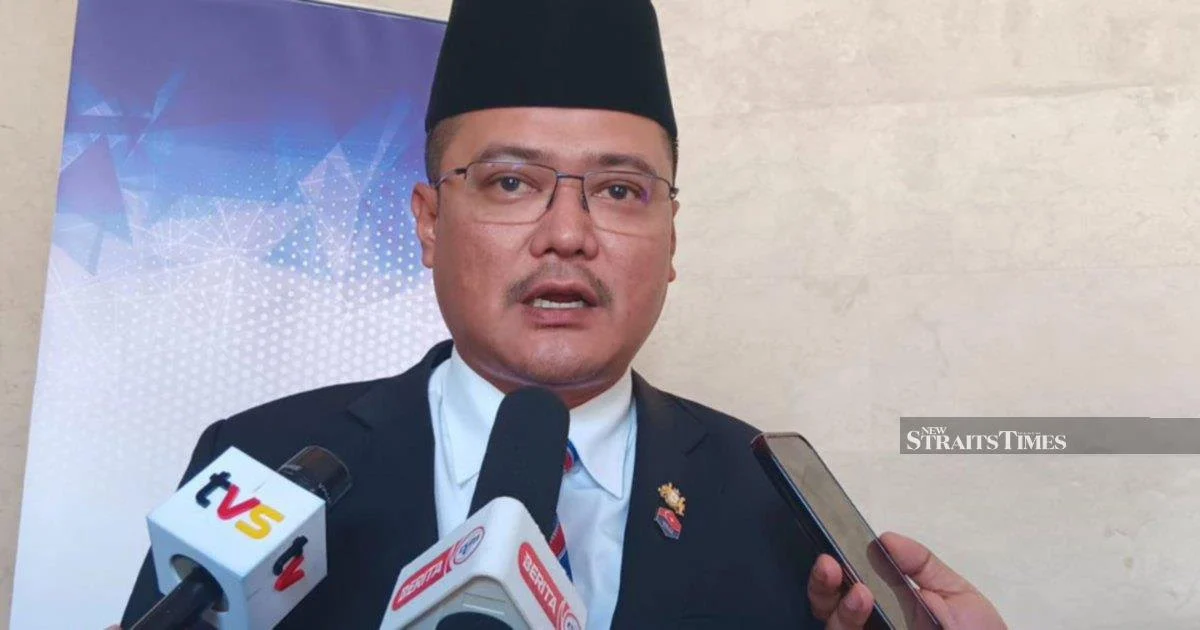
Johor's Barisan Nasional leadership has moved swiftly to distance the state from allegations made by former legislative assembly speaker Datuk Dr Mohd Puad Zarkashi, characterising his claims as both unfounded and damaging to institutional integrity. The coalition, which continues to command significant political influence in Malaysia's southernmost peninsula state, issued a strong rebuke of suggestions that the palace had wielded direct influence over political decisions affecting the region.
Puad, who previously held the prominent role of speaker in the Johor state assembly, had ventured into contentious territory by publicly linking the Johor palace to various political developments. Such assertions strike at the heart of Malaysia's constitutional monarchy system, where the institution of the palace occupies a specially protected constitutional position. The former speaker's allegations have triggered considerable anxiety within BN circles, prompting rapid and forceful denial from party leadership across Johor's administrative headquarters.
The coalition's condemnation zeroes in on what senior figures perceive as a fundamental breach of propriety and constitutional respect. BN representatives characterised the claims not merely as incorrect but as potentially undermining public confidence in established institutions that have historically remained above ordinary partisan disputes. The tone of the official response suggests deep concern about the precedent that might be set should such allegations gain traction among the broader public or within legislative circles.
Parallel developments have seen Umno Youth leadership amplifying the response through what they characterise as significant grassroots mobilisation. The youth wing of the United Malays National Organisation claims that hundreds of individuals have submitted formal police reports in response to Puad's statements. This escalation indicates that the dispute has transcended ordinary political disagreement to involve law enforcement agencies, potentially transforming the controversy into a legal matter rather than purely a matter of political debate.
The nature of the police reports remains somewhat opaque, though the volume claimed by Umno Youth suggests a coordinated or spontaneously organised response among party members and supporters. Such mobilisation tactics reflect how allegations touching on institutional prerogatives—particularly those relating to the monarchy—can rapidly mobilise party machines and activate support networks at grassroots level. For Malaysian readers accustomed to the particular sensitivities surrounding palace-related commentary, the swift police involvement carries particular weight.
The incident illuminates ongoing tensions within Johor's political ecosystem, where BN has maintained electoral dominance but faces periodic challenges to its cohesion and legitimacy. Puad's shift from speaker—a nominally non-partisan but traditionally BN-aligned role—to public critic suggests fractures within the coalition's own ranks. His willingness to make palace-related assertions implies he may believe such claims carry sufficient credibility to risk the inevitable pushback from establishment figures.
For Southeast Asian observers monitoring Malaysian politics, the episode underscores how constitutional monarchy remains a sensitive touchstone in regional democracies. Unlike Westminster-style systems where the crown has largely retreated from direct political involvement, Malaysian sultanates retain formal and sometimes practical authority over crucial matters. Allegations that this authority has been improperly deployed strike at assumptions about institutional separation and proper constitutional conduct that underpin political stability across the region.
The Barisan Nasional's aggressive response reflects calculations about reputational damage and institutional preservation. By framing Puad's claims as serious and irresponsible rather than merely mistaken, BN signals that it views the allegations as threatening to the consensual understanding about palace-politics boundaries that has generally held across Malaysian political history. This framing also positions the coalition as defender of constitutional norms against what it portrays as reckless commentary.
The involvement of Umno Youth adds a generational dimension to the controversy. The youth wing's mobilisation of police reports suggests that younger party members and supporters have been energised by the affair, perhaps viewing the incident as validation of broader concerns about governance and institutional accountability. Alternatively, their activism could reflect party discipline mechanisms designed to demonstrate overwhelming grassroots backing for the coalition's institutional positions.
Looking beyond the immediate theatrical elements of accusation and denial, the episode raises substantive questions about political accountability and institutional transparency in Johor governance. Whether Puad's allegations contain kernels of truth or represent imaginative fiction, the rapid escalation to police involvement suggests that Malaysian authorities and political actors take such claims with considerable seriousness. The speed with which the matter has moved through political and law enforcement channels indicates the volatility of palace-related allegations within Malaysia's constitutional framework.
For Johor specifically, the controversy arrives at a moment when the state's political trajectory remains significant given its economic importance and its role as a bellwether for peninsular Malaysian politics. How this dispute resolves—whether through legal proceedings, political resolution, or gradual fade from public attention—may influence perceptions of institutional health and coalition coherence throughout the state. The coming weeks will clarify whether the police reports signal a genuine investigation into Puad's statements or represent primarily a political gesture designed to demonstrate coalition unity and institutional loyalty.

