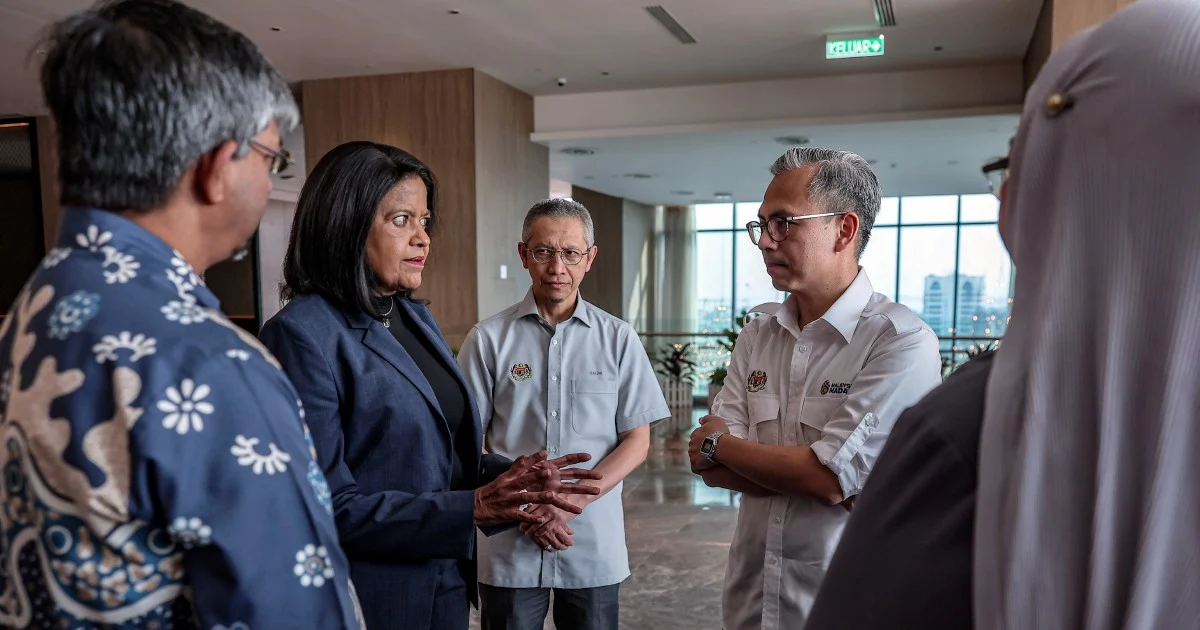
The looming state elections in Johor and Negri Sembilan represent a pivotal moment for Malaysia's efforts to safeguard electoral discourse from the growing menace of misinformation. The Malaysian Media Council, the country's self-regulatory body for media standards, is preparing to deploy a newly developed framework specifically engineered to identify and counter false narratives that may circulate during campaigning periods. This initiative underscores the escalating concern among media institutions and electoral authorities that fabricated content poses a tangible threat to democratic processes and citizen confidence in the integrity of election results.
The framework emerging from the Malaysian Media Council reflects a sophisticated understanding of how false information spreads during high-stakes political contests. Rather than relying solely on reactive takedowns of problematic content, the mechanism incorporates elements of real-time fact-checking, source verification, and rapid-response protocols designed to interrupt the viral spread of claims before they crystallise into widely accepted falsehoods. The council's approach balances the need for swift intervention with careful adherence to journalistic ethics and media freedom principles, a calibration that becomes particularly delicate in the Malaysian context where press freedoms and regulatory boundaries remain subjects of ongoing national debate.
For Malaysian and Southeast Asian observers, this initiative carries significant implications that extend beyond the immediate electoral cycle. The region has witnessed numerous instances of election-period misinformation campaigns that have polarised communities, undermined trust in institutions, and in some cases influenced electoral outcomes. Thailand, Indonesia, and the Philippines have all grappled with sophisticated disinformation networks deployed during critical political moments. Malaysia's proactive stance through the Malaysian Media Council represents a regional effort to develop homegrown solutions rather than importing wholesale fact-checking models designed for Western media ecosystems with different structural characteristics and audience demographics.
The timing of testing this framework during Johor and Negri Sembilan elections proves strategically sensible. These contests, while significant within Malaysia's federal structure, occur in a somewhat lower-pressure environment compared to a general election. This creates valuable space for the Malaysian Media Council to identify operational weaknesses, calibrate response protocols, and refine messaging strategies without the stakes being as catastrophically high as they would be during a national electoral contest. The state elections essentially provide a controlled environment for experimentation—a live-fire exercise that will reveal which mechanisms prove effective and which require substantial revision.
The broader context illuminates why such an initiative has become urgent. Malaysian voters increasingly encounter political content through social media platforms where algorithmic amplification can elevate false narratives to prominence with minimal friction. During previous electoral cycles, unfounded claims about voting processes, purported links between political figures and criminal organisations, and fabricated statements attributed to candidates have circulated widely before fact-checkers could effectively intervene. The velocity and scale of modern information dissemination mean that traditional journalistic verification processes often lag dangerously behind the spread of falsehoods, creating information environments where voters struggle to distinguish reliable reporting from manipulation.
The Malaysian Media Council's intervention model necessarily involves coordination with multiple stakeholders beyond the media sector itself. Electoral authorities, social media platforms, civil society organisations focused on media literacy, and political parties themselves all play roles in either amplifying or constraining false narratives. The framework being tested during these elections will likely include mechanisms for coordinating rapid fact-checks across news organisations, establishing clear protocols for identifying content that requires urgent debunking, and creating channels through which electoral administrators and media bodies can share intelligence about emerging false claims before they achieve widespread distribution.
Implementing such mechanisms raises important questions about governance and accountability. Who decides which claims constitute sufficiently serious falsehoods to warrant institutional fact-checking? How transparent should the Malaysian Media Council be about its decision-making processes? What safeguards exist against the framework itself becoming a tool for suppressing legitimate political speech or disadvantaging particular candidates or parties? These questions take on particular resonance in Malaysia, where concerns about the politicisation of regulatory institutions and the potential weaponisation of media oversight mechanisms have occasionally surfaced in public discourse. The council will need to demonstrate scrupulous neutrality and clear methodology if its initiative is to earn acceptance across the political spectrum.
From a practical standpoint, the Johor and Negri Sembilan elections will generate valuable data about which types of false claims prove most persistent, which demographics prove most susceptible to particular varieties of misinformation, and which fact-checking formats and channels prove most effective at reaching voters. This information will prove invaluable for refining the framework before it potentially gets deployed during a general election. The Malaysian Media Council can assess whether written fact-checks, video rebuttals, or social media-native formats prove most effective, whether rapid responses within hours of false claims spreading produces better results than delayed corrections, and whether preemptive fact-checking—establishing truth before false narratives emerge—proves more efficient than reactive intervention.
The international dimension warrants consideration as well. Other Southeast Asian countries grappling with similar challenges will likely observe Malaysia's experiment with considerable interest. Should the framework prove substantially effective, it could serve as a model for regional adaptation, creating networks of mutual support among Southeast Asian media councils and electoral authorities. Conversely, if the initiative encounters significant obstacles or produces unexpected complications, those lessons will also circulate throughout the region, shaping how other democracies approach the challenge of maintaining electoral information integrity amid an age of rapid digital content dissemination.
Ultimately, the success of the Malaysian Media Council's misinformation defence initiative will be measured not merely by its technical functionality but by whether Malaysian voters ultimately trust the electoral process and maintain confidence in their information sources. The framework must achieve the delicate balance of meaningfully countering fabricated content without appearing to suppress legitimate political debate, of moving swiftly enough to interrupt disinformation campaigns without acting so hastily that corrections themselves become unreliable. The elections in Johor and Negri Sembilan will serve as the crucible in which these aspirations encounter real-world complexity.

