Malaysia's upcoming state elections in Johor and Negeri Sembilan will serve as testing grounds for an ambitious new effort to combat fabricated news and protect electoral integrity. The Malaysian Media Council has launched the Rapid Response Election Initiative, a coordinated mechanism designed to swiftly identify and debunk false content attributed to news organisations during high-stakes political campaigns. With polls scheduled for July 11 in Johor and August 1 in Negeri Sembilan, the sequential timing creates a unique opportunity to refine the approach based on real-world experience between the two contests.
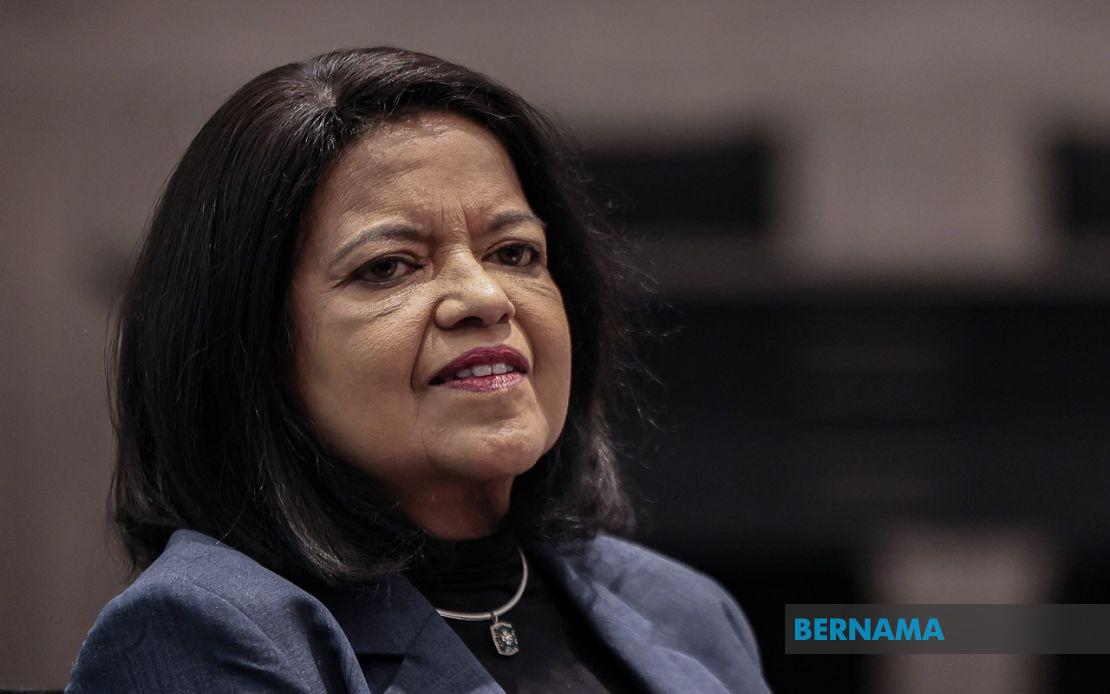
The initiative addresses a critical vulnerability in Malaysia's information ecosystem during election periods: the rapid spread of forged news graphics, manipulated screenshots, and fabricated reports bearing media logos. Such synthetic content can undermine public confidence in legitimate journalism and distort electoral discourse before corrections gain traction. MMC chairperson Tan Sri Nallini Pathmanathan outlined the framework at a Media Dialogue Session alongside Communications Minister Datuk Fahmi Fadzil, emphasising that the close succession of the two elections offers practical advantages for testing and refining the mechanism in real time.
The initiative's architecture distributes responsibility across multiple stakeholders in a coordinated ecosystem. The MMC functions primarily as a coordinator rather than arbiter, with individual media organisations responsible for verifying whether disputed content actually originated from their platforms. The Election Commission provides reference points on election-related procedures and eligibility questions, while Bernama, Malaysia's national news agency, handles dissemination of verified information to the broader public. This distributed model avoids concentrating fact-checking authority in a single body and leverages the expertise of organisations best positioned to authenticate their own content.
Content Forum Malaysia serves as the principal partner on digital engagement and media literacy initiatives, while the Department of Community Communications and National Information Dissemination Centres will ensure verified information reaches grassroots audiences across the country. The Malaysian Communications and Multimedia Commission remains available for matters requiring regulatory intervention or technical assistance involving digital platforms. This collaborative framework reflects the complexity of modern electoral misinformation, which requires expertise spanning journalism, technology, communications, and community engagement.
Critically, the initiative explicitly does not attempt to fact-check political manifestos, campaign promises, or the accuracy of candidates' claims. This demarcation protects editorial independence and prevents the mechanism from being weaponised as a political tool. Instead, the focus remains narrowly on verifying whether content purporting to come from news organisations is genuine. A fabricated graphic falsely bearing a media outlet's logo and claiming a candidate has withdrawn from the race could be debunked within minutes, allowing corrections to circulate before misinformation takes root. Similarly, false claims about election procedures can be rapidly referred to the Election Commission for authoritative clarification.
The growing sophistication of synthetic media poses an escalating threat to electoral integrity. Artificial intelligence and digital manipulation tools now enable rapid production of convincing fake content that can spread virally across social platforms during election campaigns. Traditional media literacy campaigns and fact-checking efforts struggle to keep pace with the volume and velocity of such material. By establishing a rapid-response apparatus with pre-arranged partnerships and clear protocols, Malaysia is attempting to create friction against the spread of the most dangerous forms of election misinformation—namely, false claims bearing the imprimatur of established news organisations.
The public awareness dimension of the initiative emphasises individual agency and critical thinking rather than top-down information control. The council will promote the slogan "Who Said It? What's The Source?" alongside the Malay phrase "Siapa kata? Sos mana?" to encourage voters to pause and verify before accepting or sharing claims. This messaging frames information verification not as censorship but as civic responsibility, inviting citizens to engage thoughtfully with electoral content. The approach acknowledges that healthy democratic participation depends on information citizens can trust, while reserving the right of voters to debate, discuss, and engage with political content.
For Malaysia's broader media and political landscape, the initiative represents an implicit acknowledgment that misinformation poses a genuine systemic threat during elections. Rather than responding reactively to viral falsehoods, the framework attempts to establish preventative infrastructure. The involvement of senior government officials, including Communications Minister Datuk Fahmi Fadzil and ministry leadership, signals political will to support the mechanism. However, success will ultimately depend on voluntary cooperation from media organisations, platform compliance, and public receptiveness to verification efforts.
The sequential timing of the Johor and Negeri Sembilan elections creates a valuable learning laboratory. Insights from the Johor poll can inform adjustments before the Negeri Sembilan campaign, allowing the MMC to identify operational bottlenecks, messaging gaps, and technical challenges while stakes remain limited to individual state contests. Problems encountered with coordinating rapid responses, communicating verified information, or engaging digital platforms can be addressed between the two elections rather than discovered during a general election of national significance.
Regionally, Malaysia's approach offers lessons for other Southeast Asian democracies grappling with misinformation during elections. Thailand, Indonesia, and the Philippines have all struggled with viral false content in electoral contexts. By establishing a concrete model combining rapid fact-checking, multi-stakeholder coordination, and public messaging, Malaysia contributes a tested framework that other regional nations might adapt to their circumstances and regulatory environments.
The initiative's ultimate test remains implementation. Rapid response requires functional coordination between organisations with different incentives and cultures, swift media verification processes, effective communication channels to the public, and platform cooperation in promoting corrections. Digital literacy campaigns must overcome considerable scepticism in populations accustomed to contested information environments. The framework's success in Johor and Negeri Sembilan will signal whether Malaysia can scale this approach to protect electoral integrity during larger political contests and whether the model offers replicable lessons for information governance during elections.

