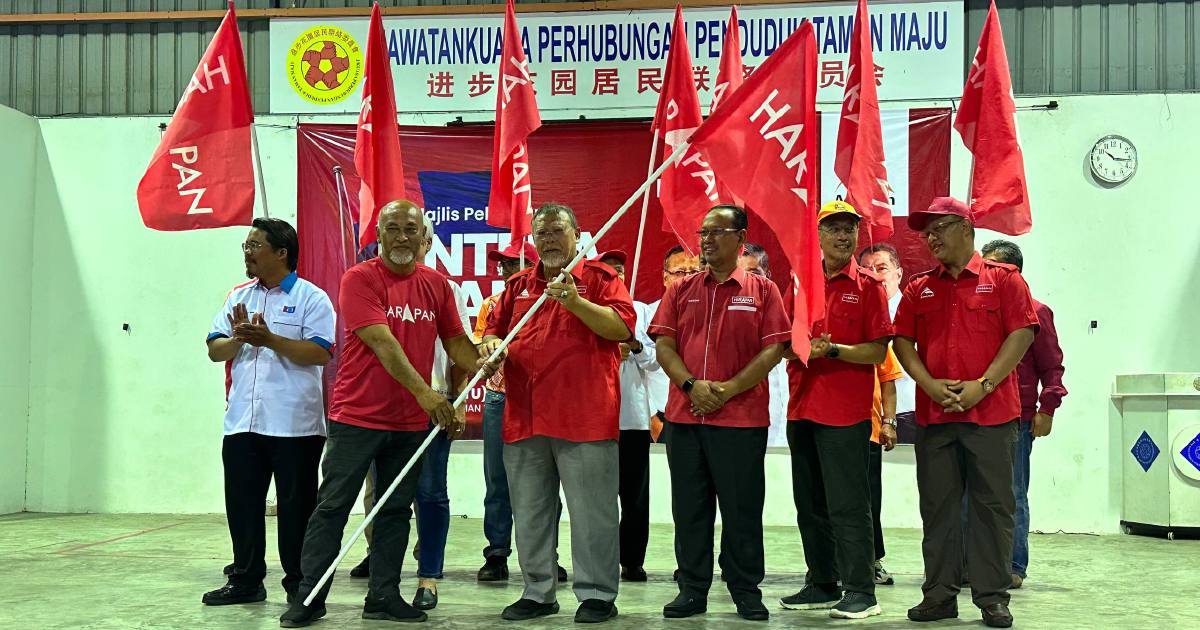
Johor Amanah has declared its confidence in securing at least six of the ten state constituencies it is fielding candidates for in the northern zone during the upcoming state election scheduled for July 11. The PKR-aligned party's assertion, made at Batu Pahat, represents a significant stake in the contest as Malaysia's political landscape continues to shift following the 2022 general election restructuring that saw substantial changes to coalition alignments across the country.
The northern zone of Johor represents strategically important territory for Amanah, which has been working to consolidate its presence across the state and expand its base beyond its traditional support areas. The party's confidence in achieving these targets suggests internal polling and ground-level assessments indicate favourable conditions in these constituencies. This ambition, however, comes amid a broader competitive environment where Pakatan Harapan components are calibrating their seat distributions and strategic placements across the state.
Johor's electoral landscape has undergone considerable transformation in recent years, with voter behaviour becoming increasingly fluid and coalition dynamics remaining in flux. The northern zone, which encompasses various socio-economic profiles and demographic compositions, has historically been contested territory where multiple parties maintain organisational presence. Amanah's specific focus on this region reflects both opportunity and recognition that these ten seats represent achievable targets under current political conditions.
The party's electoral strategy appears to be part of a broader Pakatan Harapan blueprint for Johor, where seat allocations among component parties have been subject to ongoing negotiation and adjustment. Amanah's positioning in the northern zone complements the broader opposition coalition's efforts to present a credible alternative administration capable of challenging the incumbent administration's hold on the state. The allocation of seats to individual coalition partners reflects considerations of party strength, ground organisation, and strategic positioning against competing political entities.
Northern Johor encompasses constituencies with varying political histories and voter demographics. Some areas have demonstrated strong support for Amanah during previous electoral contests, while others represent newer territory where the party seeks to establish stronger organisational footprint. The party's minimum target of six seats implies a confidence threshold below which campaign performance would be considered disappointing, suggesting internal assessment of vulnerability in some constituencies despite overall optimism.
The July 11 election date provides approximately two months for campaigning, during which Amanah and its coalition partners will mobilise resources, conduct grassroots engagement, and seek to persuade voters through their policy platforms and candidate profiles. This timeframe is sufficient for intensive campaigning but places pressure on party machinery to execute operations efficiently and maintain momentum across multiple constituencies simultaneously. Amanah's capacity to deliver on its targets will significantly influence perceptions of Pakatan Harapan's overall viability as a state government alternative.
For Malaysian voters in Johor, the electoral contest presents an opportunity to express preferences regarding state governance, development priorities, and political direction. The outcome will have implications extending beyond state politics, as Johor remains among Malaysia's most strategically important states, serving as a significant economic centre and population hub. Electoral developments in Johor frequently signal broader trends within Malaysian politics and offer insights into voter sentiment regarding governance quality and political performance at the state level.
Amanah's specific electoral targets in the northern zone should be evaluated within the context of the party's wider positioning within Pakatan Harapan. The party has been working to expand beyond its initial strongholds and develop broader appeal across different voter segments and geographic areas. The northern zone campaign represents one component of this expansion strategy, with success here potentially strengthening Amanah's negotiating position within the opposition coalition and enhancing its claim to play a significant role in a potential future state government.
The competitive environment facing all parties contesting the July 11 election includes consideration of incumbent performance, economic conditions affecting voters, and broader national political developments. Johor remains economically significant, with substantial portions of its population engaged in trade, manufacturing, services, and agriculture. Electoral messaging from all parties will necessarily address state-specific economic concerns, development infrastructure, and governance efficiency alongside broader national policy debates.
Amanah's declaration of targets in the northern zone indicates confidence in candidate selection, party organisation, and campaign capacity. Achieving the minimum six-seat threshold will require converting stated ambitions into ground-level political activity, sustained voter engagement, and effective campaign communication that resonates with northern Johor electorates. The party's performance will contribute to the overall opposition coalition narrative regarding its capacity to govern and offer distinct policy alternatives from the incumbent administration.
As campaigns intensify over the coming weeks, voter response to Amanah's message and candidate offerings will become clearer. The northern zone election will ultimately be determined by voter preferences rather than party projections, reflecting local concerns, candidate credibility, and broader political considerations that shape electoral choices during state elections in Malaysia.

