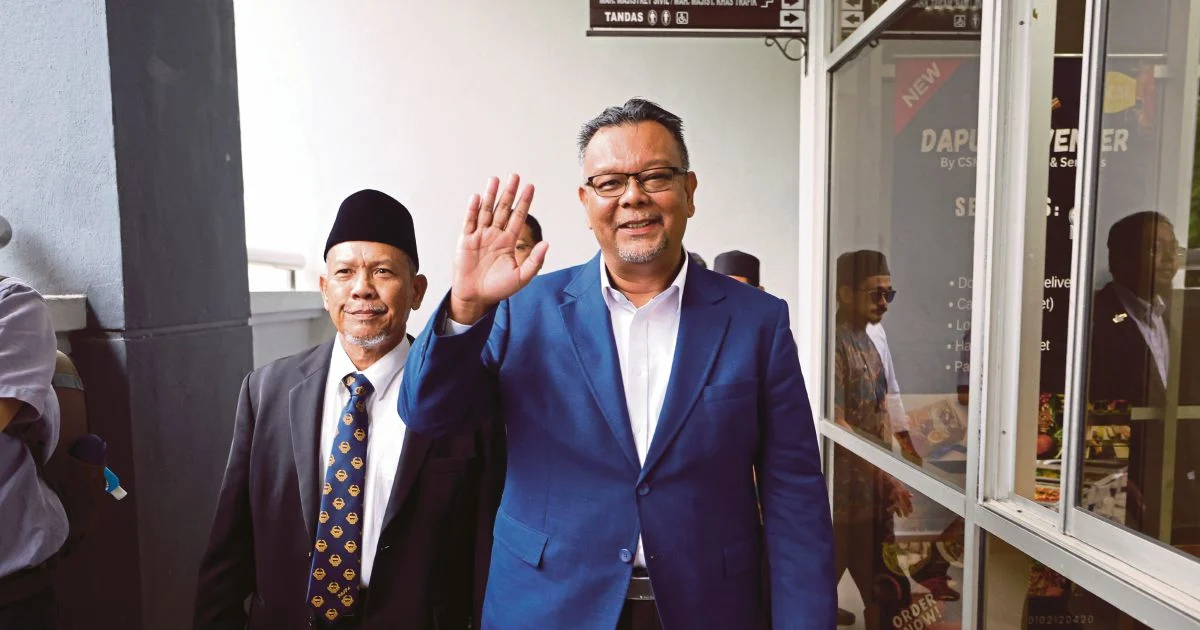
Dr Haim Hilman Abdullah, the state assemblyman representing Jitra, entered a not guilty plea before magistrate court in Seremban today, contesting allegations that he made statements capable of triggering public distress. The charge represents one of several instances in recent months where Malaysian politicians have faced legal scrutiny over their public utterances and social media communications.
The case adds to a growing pattern of legal proceedings involving elected representatives across the country, reflecting heightened sensitivity towards statements deemed capable of unsettling the public mood. Such charges typically fall under provisions designed to maintain social stability and prevent the spread of potentially destabilising information through political channels.
The timing of the case occurs against a backdrop of increasing political tensions within Peninsular Malaysia, where rivalries between coalition partners and opposition factions have sometimes manifested in heated rhetoric and provocative statements on various platforms. State-level assemblyman face particular scrutiny given their direct constituent engagement and role in local political discourse.
Jitra itself has been a significant constituency in Kedah's political landscape, with representation there carrying meaningful influence within state affairs. The charge suggests that statements attributed to Dr Haim Hilman attracted official attention at a relatively serious level, prompting prosecution under laws governing public speech.
For observers tracking Malaysian political jurisprudence, this case illustrates the tension between protecting freedom of expression for elected representatives and maintaining legal frameworks designed to prevent societal disruption. Courts have previously grappled with defining the threshold at which political speech crosses into territory capable of causing genuine public alarm versus merely expressing controversial political positions.
The prosecution's decision to pursue the matter through magistrate court indicates the authorities assessed the allegations as falling below the most serious category of offences, yet significant enough to warrant formal legal action. The quantum of evidence required to establish such charges typically requires demonstrating both that statements were made and that they possessed reasonable capacity to alarm the public.
Dr Haim Hilman's not guilty plea suggests his legal team will contest either the factual basis of the allegations or argue that any statements made did not reach the legal threshold for causing public alarm. Defence strategies in such cases often emphasize the political context of remarks or their protected nature as expressions of legitimate political discourse.
For Malaysian politicians at state level, such cases serve as cautionary examples about the boundaries of acceptable public speech, even when engaging in robust political debate. The legal standards applied in these proceedings have evolved through precedent, and courts consider factors including the medium of communication, audience size, and apparent intent behind disputed statements.
The case will likely proceed through standard court processes, with evidentiary hearings scheduled to examine the specific statements in question and their context. Such proceedings typically require detailed examination of communications, witness testimony regarding public reaction, and expert analysis of potential impact.
For Kedah politics and the broader Malaysian political ecosystem, the outcome will carry implications for how state assemblymen calibrate their public communications, particularly on contentious issues touching on sensitive national or communal matters. The precedent set through the magistrate court's eventual determination may influence how similar cases are handled across other states.
The case underscores ongoing challenges Malaysian democratic institutions face in balancing robust political participation with maintaining social cohesion. Politicians at state level, who maintain closer contact with constituents than federal representatives, often find themselves testing boundaries of permissible discourse as they represent local interests and grievances.
As the proceedings unfold, legal observers will watch how courts interpret and apply existing statutes governing public speech, with potential implications for how future cases involving elected representatives are approached. The Seremban court's handling of Dr Haim Hilman's defence will contribute to the evolving jurisprudence in this area of Malaysian law.

