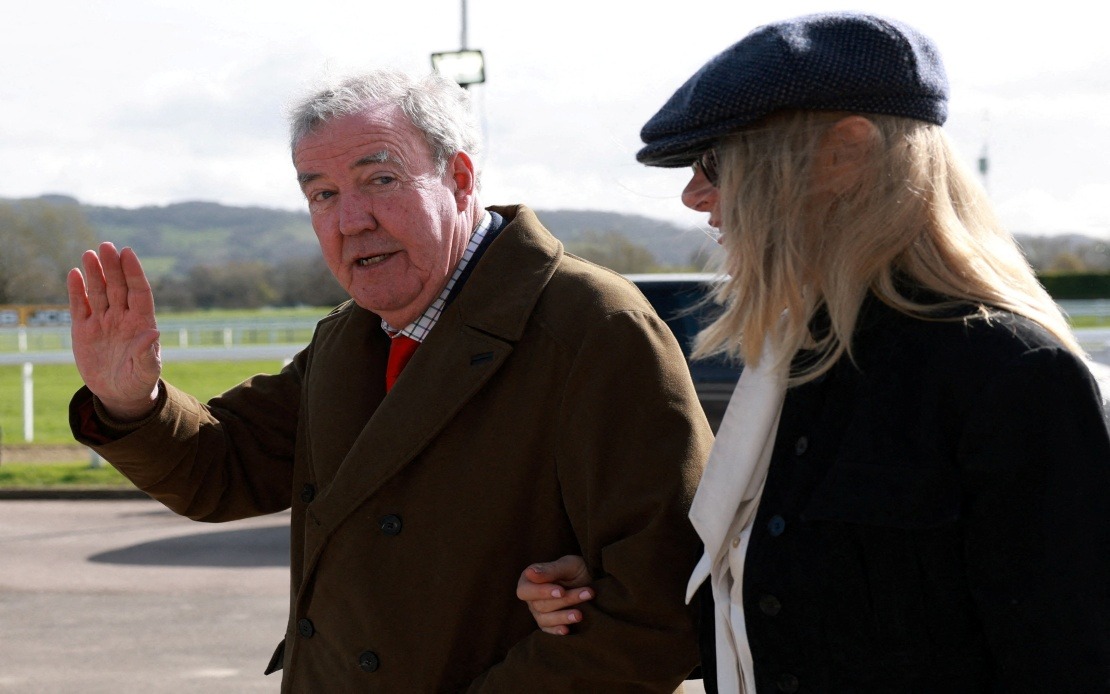
British television personality Jeremy Clarkson has made public his diagnosis of prostate cancer, announcing the condition while discussing farm operations with colleagues on his popular reality series. The 66-year-old presenter disclosed the health setback during conversations about harvest planning with farm manager Kaleb Cooper and land agent Charlie Ireland, subsequently revealing in the season finale that he had undergone surgical intervention to address the malignancy.
Clarkson's candid approach to discussing his illness reflects a broader shift in how public figures address serious health matters, potentially normalising conversations around prostate cancer screening and treatment among viewers. His willingness to share medical details on camera, including the emotional and physical dimensions of his journey, may help destigmatise discussions about male health issues that often remain unspoken in many communities, including Malaysia and Southeast Asia where health literacy around such conditions remains variable.
The surgical procedure involved removing a portion of his prostate where the cancer was localised, with Clarkson noting that approximately 10 percent of the organ was affected by malignant cells. He expressed measured optimism about the prognosis, suggesting he anticipated a positive outcome while acknowledging the inherent uncertainties in cancer treatment. However, the recovery process proved more complicated than initially anticipated, as evidenced by his presence in a hospital bed during the season finale filming, indicating unexpected complications arose during the treatment phase.
Clarkson will not receive definitive confirmation regarding the success of his surgical treatment until November, a delay that reflects standard medical protocols requiring extended monitoring periods to assess whether cancer cells have been entirely eliminated and whether recurrence risks have been substantially reduced. This extended waiting period represents a challenging psychological component of cancer treatment that extends beyond the physical recovery phase, a reality that resonates with countless patients navigating similar diagnoses globally.
The television personality's health challenges extend beyond this recent diagnosis. Nearly two years prior, Clarkson underwent a cardiac procedure that necessitated the implantation of two stents to restore adequate blood flow to his heart. Following that intervention, his physician recommended substantial work reduction, with Clarkson humorously noting that medical advice suggested replacing professional commitments with recreational golf. These successive health events underscore the physical toll that demanding television production schedules and public life can exert, even on seemingly robust individuals.
Clarkson's medical history also includes respiratory complications; he previously abandoned smoking after developing pneumonia during a holiday in Spain, demonstrating his capacity to implement significant lifestyle modifications when health consequences become apparent. This pattern of responding to health crises with concrete behavioural changes suggests an individual willing to confront medical realities directly rather than dismissing them.
Since transitioning to agricultural pursuits in 2019 and subsequently launching his farming reality programme, Clarkson has emerged as a prominent advocate for agricultural interests and rural communities. His involvement extends beyond entertainment into activism; he participated in a notable London demonstration in November 2024 opposing the UK government's proposed inheritance tax policies affecting farmland. This evolution from automotive journalism to agricultural advocacy has genuinely embedded him within farming communities, lending additional weight and authenticity to his public health disclosures.
The presenter's statement regarding the show's future carries particular poignancy given his health circumstances. He explicitly addressed the conditional nature of his continued involvement, stating that should his treatment prove successful, audiences could anticipate a sixth season, implicitly acknowledging that adverse outcomes could substantially alter the programme's trajectory. This candid uncertainty reflects the sobering reality that even individuals with substantial resources and access to superior medical care must confront genuine unknowns when confronting serious illness.
The sixth instalment of the series remains scheduled for 2027, providing an extended timeline for Clarkson's complete recovery and return to demanding filming schedules. This substantial interval between seasons may reflect both medical necessities for his rehabilitation and production considerations following his health challenges. For Malaysian audiences familiar with Clarkson through his decades-long television career spanning automotive programming and beyond, this development humanises a public figure often perceived as invulnerable, demonstrating that serious health challenges affect individuals regardless of wealth, prominence, or professional success.
Prostate cancer represents one of the most prevalent malignancies affecting men globally, with incidence rates varying significantly across different populations and age demographics. Clarkson's public disclosure potentially encourages men in their sixties and beyond to engage with medical screening recommendations that might otherwise be deferred or ignored. In Southeast Asian contexts where cultural factors sometimes inhibit discussions around male health and screening practices, such high-profile acknowledgments can incrementally shift public discourse toward greater health consciousness and preventive medical engagement.