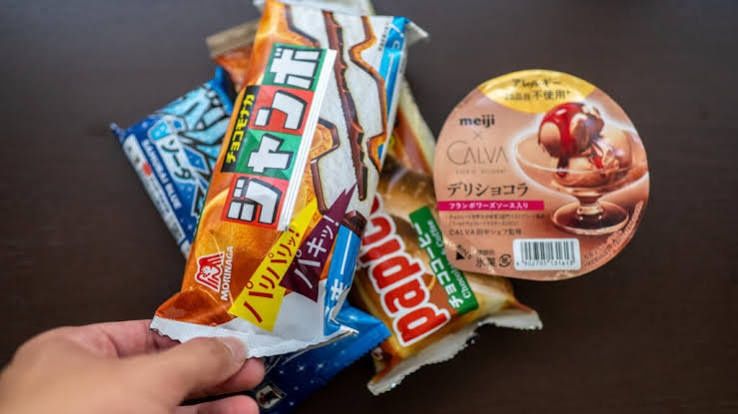
Japan's competition regulator has taken direct action against six of the country's largest ice cream producers, launching raids on their head offices this week as part of an investigation into alleged collusive practices aimed at raising consumer prices. The Japan Fair Trade Commission (JFTC) targeted Meiji Co., Morinaga Milk Industry Co., Lotte Co., Ezaki Glico Co., Morinaga & Co., and Akagi Nyugyo Co. on Tuesday, marking an aggressive intervention into an industry that has become increasingly profitable as Japanese consumers seek relief from summer heat.
The investigation centres on a pattern of behaviour that appears to have persisted for several years, with company officials suspected of orchestrating price increases through coordinated communication. According to sources familiar with the matter, executives at these firms are believed to have exchanged emails and held meetings to determine both the timing and magnitude of price hikes, effectively removing genuine price competition from the market. This level of coordination would constitute a clear violation of Japan's antitrust laws, which prohibit cartels and other anticompetitive agreements between competing firms.
The timing of these price increases has drawn particular scrutiny from regulators. Since approximately 2022, all six companies have raised their retail prices in a strikingly synchronized manner, with increases occurring around the same time each year across the industry. Such uniformity in pricing decisions by competing firms is often viewed as circumstantial evidence of coordination, since independent firms responding to genuine market conditions would typically adjust prices at different times and by varying amounts based on their individual cost structures and competitive positions.
Beyond investigating whether prices were fixed, the JFTC is also examining whether these companies exploited rising inflation as a convenient cover to inflate prices beyond what cost increases alone would justify. During periods of general economic inflation, consumers and even other authorities may be more tolerant of price increases, making it an opportune time for firms to coordinate increases that serve cartel interests rather than genuine cost pressures. The watchdog is seeking to distinguish between legitimate price adjustments driven by increased raw material costs and excessive increases undertaken purely to maximize profits through coordination.
The ice cream sector provides a compelling case study for antitrust enforcement because it is highly concentrated, with the six raided companies accounting for the majority of Japan's ice cream market. This concentration creates both opportunity and incentive for collusion. When an industry is dominated by a small number of firms, they can more easily monitor each other's behaviour and police agreements, making cartels more stable and harder to detect. The market's seasonal nature, with predictable demand surges during summer months, further facilitates coordination around price increases.
Industry conditions have made ice cream an increasingly lucrative market in recent years. In the fiscal year ending March, ice cream sales in Japan reached a record high exceeding 660 billion yen, driven partly by the country experiencing its hottest summer since records began in 1989. This exceptional heat created exceptional demand, presenting the companies with strong incentives to maximize prices. The JFTC's investigation will need to separate how much of this market expansion was driven by genuine consumer demand and rising costs versus how much reflected the exercise of coordinated market power.
The responses from the targeted companies have been notably cautious and consistent. Five of the six firms issued statements on Tuesday or Wednesday acknowledging the JFTC's raids and pledging full cooperation with the investigation. Akagi Nyugyo's representative Natsuyo Suzuki similarly confirmed the company's willingness to work with investigators following the on-site inspection. These cooperative postures are typical in such situations, as companies face strong incentives to appear compliant, though genuine cooperation with antitrust investigations often remains limited in practice.
The potential consequences for the implicated firms are substantial. Should the JFTC conclude that a cartel arrangement existed, it will not merely issue warnings but rather will mandate corrective measures and financial penalties. The fines imposed in cartel cases can represent significant portions of affected companies' profits, and they are coupled with orders requiring changes to business practices and compliance programmes. For large firms like those under investigation, penalties can reach billions of yen, substantially impacting shareholder returns and management credibility.
This investigation carries broader implications for Japanese consumers and the regional business environment. If major manufacturers in a high-volume consumer goods category can coordinate prices without detection for years, it suggests vulnerabilities in market monitoring and enforcement capacity. For Malaysian and Southeast Asian readers, the case highlights how antitrust issues transcend national borders, as many of these Japanese companies operate regional operations or have invested in competitor firms across Asia. The enforcement action also demonstrates that even mature, developed economies with sophisticated regulatory frameworks must continually vigilance against anticompetitive behaviour.
The ice cream cartel investigation reflects a broader pattern of antitrust scrutiny globally. Regulators in multiple jurisdictions have become increasingly aggressive in pursuing suspected collusion, particularly in concentrated consumer goods industries. For Japanese firms, this investigation signals that the JFTC is willing to deploy resources and undertake high-profile enforcement actions when evidence of coordination emerges. This shift toward more assertive enforcement may affect strategic planning across the broader Japanese business landscape.
The coming weeks will determine whether the JFTC's investigation yields sufficient evidence to formally charge the companies with anticompetitive conduct. The burden of proof requires demonstrating either explicit agreements or a meeting of minds through circumstantial evidence such as coordinated pricing patterns. The emails and meeting records that investigators will analyze during their raids may provide the direct evidence needed to establish such agreements beyond reasonable doubt, making the documentary evidence seized during this week's raids potentially decisive to the investigation's outcome.