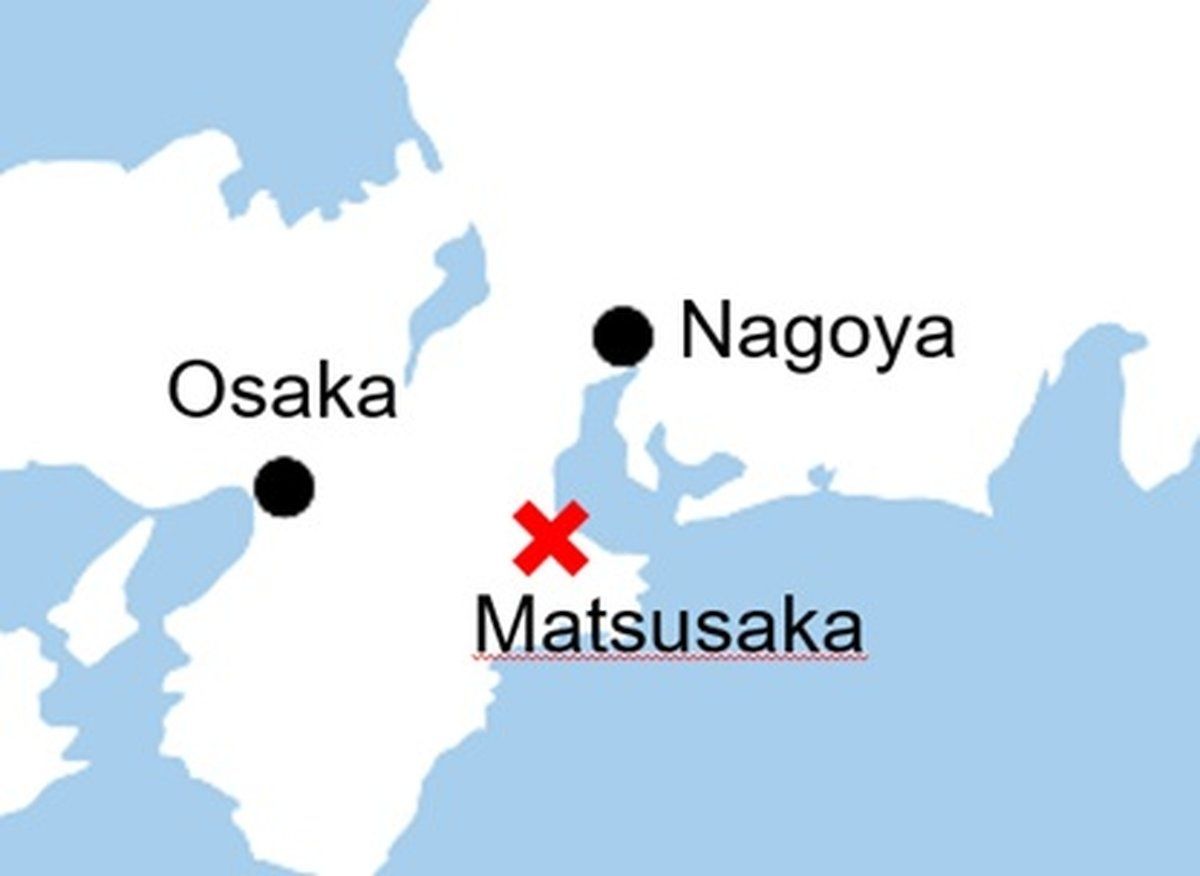
A 35-year-old resident of Matsusaka in Mie Prefecture, Japan, faces criminal charges after confining his partner's five-year-old daughter inside a garbage can on the evening of May 12. The suspect, who was taken into custody on Thursday, June 18, has already acknowledged his involvement in the incident to investigating officers. The disturbing case raises fresh concerns about child safety and the extent of physical punishment that continues to occur within Japanese households, even as awareness campaigns against corporal discipline gain traction across the nation.
According to police records, the man transported the young girl to a refuse container at his partner's residence in Mie Prefecture at approximately 6.30pm and placed her inside before securing the lid. He deliberately kept her confined in this manner, characterising the action as a form of disciplinary measure. The child endured roughly five minutes in the garbage can before being removed. Despite the traumatic nature of the confinement, she sustained no physical injuries from the ordeal, though the psychological impact of such treatment raises deeper questions about emotional harm in cases of extreme parental discipline.
The discovery of the abuse came eight days after the incident occurred. On May 20, staff at a local child welfare centre became aware of what had transpired and immediately escalated the matter to law enforcement authorities. This delay between the event and official notification underscores potential gaps in how child welfare information circulates between households, schools, and protection agencies in Japan. The welfare centre's intervention proved crucial, as it not only prompted police action but also triggered protective measures for other children in the household.
Following the welfare centre's report, authorities took the victim's older sister into protective custody as a precautionary measure. The decision to remove both children from the home reflects standard child protection protocols when there are indications of ongoing risk or abuse. The involvement of siblings in such cases often suggests a pattern of concerning behaviour rather than an isolated incident, prompting investigators to examine the household environment more thoroughly and assess whether other forms of maltreatment may have occurred.
The case illuminates persistent attitudes toward child discipline in Japan, where corporal punishment has historically occupied a grey area in legal and social frameworks. While Japanese law has progressively moved toward greater protections for children, enforcement remains inconsistent, and cultural attitudes toward strict discipline persist in some communities. The suspect's own framing of confining a child in a garbage can as "discipline" reflects a troubling mindset that conflates punishment with humiliation and physical control.
Child welfare advocates across Japan have increasingly documented cases involving extreme forms of punishment, from prolonged isolation to deprivation of food and water. Each incident adds to evidence suggesting that awareness campaigns and legal reforms have not yet penetrated all segments of society. The fact that this incident took eight days to reach authorities also highlights how children in vulnerable situations—living with non-biological family members or in blended households—may face particular risks if neighbours, extended family, or school staff remain unaware of their circumstances.
For Southeast Asian readers, this case carries relevance beyond Japan's borders. Many countries in the region grapple with similar challenges regarding child protection, particularly in homes where non-biological parental figures exercise authority. Malaysia, alongside other ASEAN nations, has strengthened child welfare legislation in recent years, yet enforcement and public awareness remain uneven. The lag between discovery and reporting in this Japanese case mirrors obstacles encountered in several regional jurisdictions where child protection systems depend heavily on voluntary reporting from schools, healthcare providers, and community members.
The arrest represents a positive outcome in terms of accountability, yet it also underscores the reactive nature of many child protection systems. Ideally, intervention should occur before children reach crisis points. The delay in this case—between May 12 and May 20—demonstrates that informal networks of neighbours and family members must be empowered and encouraged to report suspected abuse promptly. In Japan, this means strengthening channels for anonymous reporting and ensuring that those who raise concerns face no social stigma.
The case also raises questions about the circumstances under which partnerships involving children are monitored. In blended families or households where adults live with partners' children, supervision and accountability mechanisms may be weaker than in biological family units, particularly if formal custody or guardianship arrangements remain ambiguous. Japanese authorities may face challenges in determining the legal standing and responsibilities of non-biological parental figures, a complexity that exists across many jurisdictions.
Moving forward, this incident will likely feature in discussions about strengthening Japan's child protection framework. Specifically, it highlights the need for clearer guidance to welfare professionals about escalation procedures, improved inter-agency communication, and enhanced training for educators and healthcare workers to recognise signs of abuse. The suspect's willingness to confess to police may facilitate prosecution, yet it also underscores how some perpetrators view their actions through a distorted lens that normalises harm in the name of discipline.
The protective custody of both children represents an important safeguard, but their longer-term wellbeing will depend on comprehensive support services, including trauma-informed counselling and family assessment. Child protection systems across Asia must ensure that removal from harmful environments is accompanied by therapeutic interventions that address both physical and psychological effects of abuse. The five minutes the girl spent in the garbage can may represent just a fragment of her overall experience in this household.

