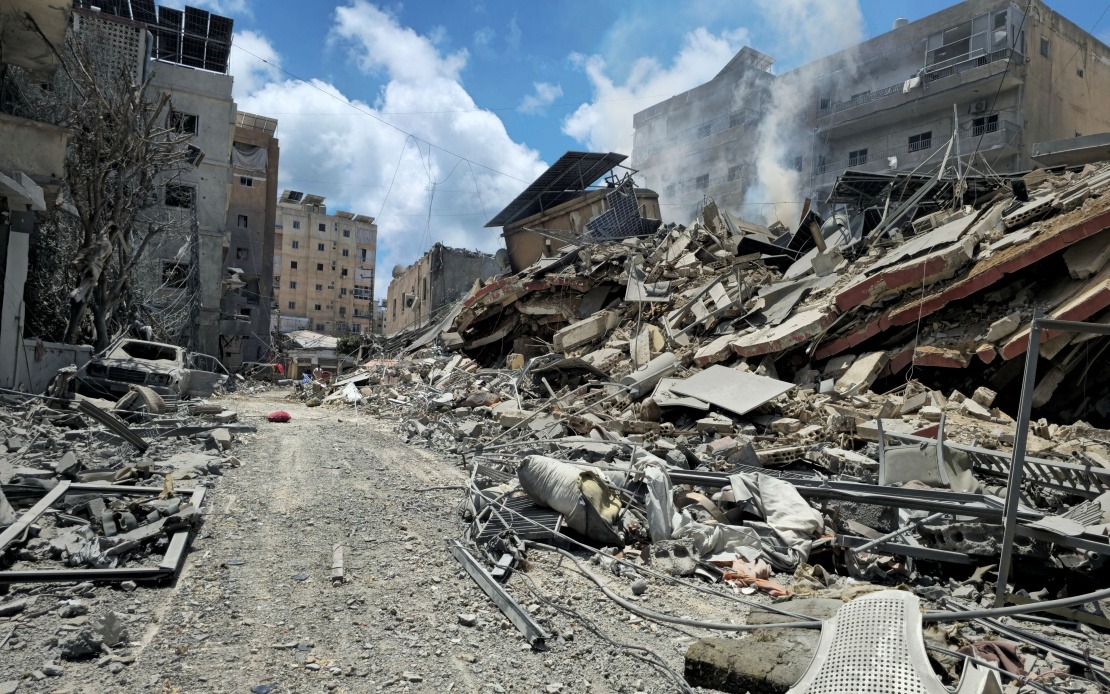
Japan announced on Friday a comprehensive humanitarian relief package worth US$15 million aimed at alleviating the acute suffering across West Asia, with Foreign Minister Toshimitsu Motegi revealing the decision at a Tokyo news conference. The initiative reflects Tokyo's strategic commitment to stabilising a region where escalating tensions have created severe humanitarian crises affecting millions of civilians. Of the total commitment, approximately US$10 million will flow to Iran, which continues to grapple with the fallout from regional conflicts and economic pressures. The remaining funds—US$4 million for Lebanon and US$1 million supporting Palestinians in the West Bank—target two other areas where humanitarian conditions have deteriorated sharply in recent months.
The aid will be channelled through established international organisations, a mechanism Japan favours for ensuring transparent distribution and maximum impact on vulnerable populations. The assistance encompasses essential commodities including food provisions, medical supplies, and broader humanitarian support designed to reach those most in need across the three destinations. This approach allows Japan to work within established frameworks while maintaining oversight of fund utilisation across borders where direct governmental coordination can be complicated.
Motegi emphasised that maintaining peace and stability throughout the Middle East remains a priority for Japan's foreign policy, underscoring Tokyo's recognition that regional instability carries direct economic and security implications for Japanese interests. The Middle East continues to face compounding humanitarian challenges stemming from ongoing conflicts, displacement crises, and economic deterioration that have overwhelmed local and regional capacity to respond. Japan's intervention acknowledges that without external support, civilian populations face mounting risks of food insecurity, disease outbreaks, and collapse of basic services.
Iran's allocation of US$10 million represents the largest portion of Japan's package, reflecting the scale of humanitarian needs there. The country faces cascading crises including economic hardship, healthcare system strain, and consequences of regional military tensions. Japan's assistance signals willingness to engage constructively with Tehran on humanitarian grounds despite broader geopolitical complexities, positioning Tokyo as a pragmatic player focused on civilian welfare over political divisions.
Lebanon's US$4 million slice arrives as the nation navigates compounding economic collapse, currency crisis, and political paralysis that have rendered basic services increasingly inaccessible. The Lebanese healthcare and food systems have contracted severely, with ordinary citizens struggling to afford medications and nutrition. Japanese aid provides immediate relief while Lebanon grapples with deeper structural reforms needed to restore stability.
The US$1 million designated for Palestinians in the West Bank targets a population facing restricted movement, limited economic opportunity, and recurrent security disruptions. While modest in absolute terms, this contribution acknowledges Japan's position that Israeli-Palestinian peace depends partly on addressing humanitarian suffering among Palestinian communities, a stance consistent with Tokyo's broader Middle East diplomacy.
Japan's decision carries particular significance for Southeast Asian nations including Malaysia, where Japanese investment, trade relationships, and strategic partnerships remain substantial. Regional stability affects global supply chains, energy markets, and geopolitical alignments in which Japan plays a central role. By investing in West Asian stability through humanitarian channels, Japan protects broader regional and global interests while demonstrating commitment to international responsibility.
Motegi pledged that Japan would intensify cooperation with relevant governments and international bodies to improve humanitarian conditions systematically rather than through one-off interventions. This commitment suggests ongoing engagement rather than emergency-only responses, potentially laying groundwork for longer-term development assistance once acute crises stabilise. Japan's approach reflects experience accumulated through decades of development work across Asia and beyond.
For Malaysian policymakers and observers, Japan's move underscores how middle powers navigate complex geopolitical environments through targeted humanitarian engagement. Rather than taking explicit political stances on contentious regional issues, Japan uses assistance as a tool for building relationships, maintaining influence, and advancing stability in strategically important areas. This model offers lessons for how Malaysia itself might approach similar challenges balancing diplomatic neutrality with humanitarian responsibility in regions where Malaysian diaspora communities and economic interests exist.
The timing of Japan's announcement, coming amid persistent regional tensions and humanitarian emergencies, reflects Tokyo's assessment that the window for preventive stabilisation efforts remains open. By providing resources now, Japan aims to prevent deterioration that would require far costlier interventions later, whether measured in humanitarian, economic, or security terms. This forward-looking approach positions Japan as a constructive stakeholder committed to long-term regional wellbeing rather than short-term advantage.

