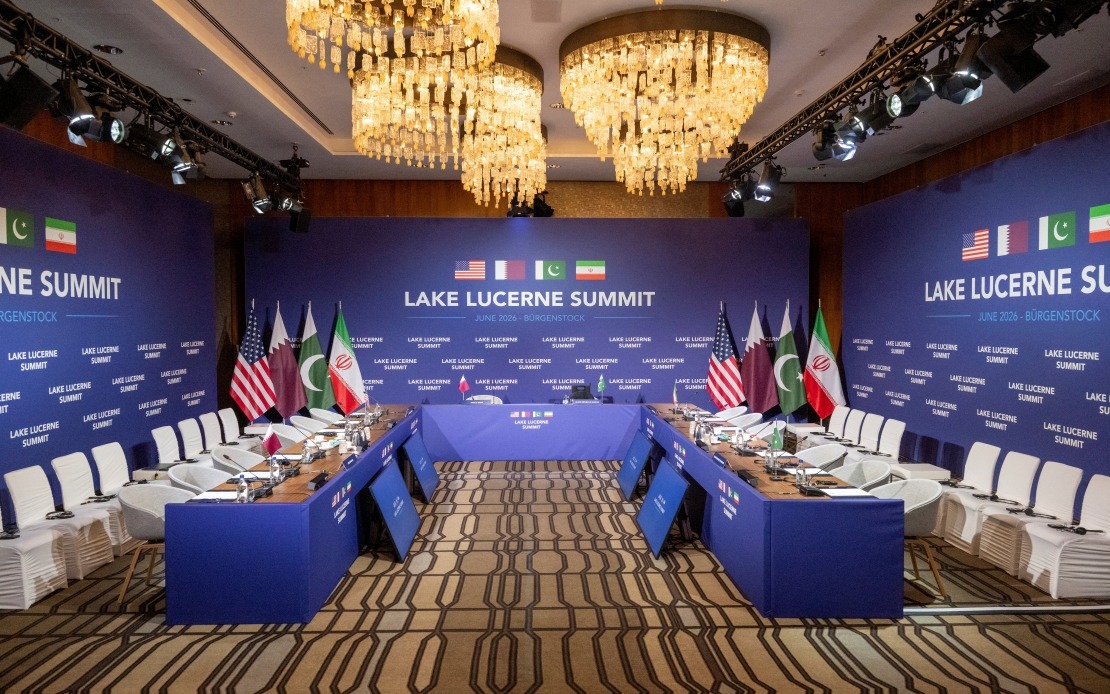
Diplomatic efforts to bridge the longstanding divide between Iran and the United States have entered a more structured phase, with negotiating teams formally establishing specialized technical groups to address specific aspects of a proposed peace settlement. The development came as representatives from both nations, alongside mediator countries Pakistan and Qatar, commenced intensive talks at the Burgenstock resort in the Swiss Alps on Sunday. According to Qatari Foreign Ministry spokesperson Majed Al-Ansari, the formation of these technical-level working groups signals a concrete push toward finalizing terms within a compressed 60-day timeline.
The creation of multiple specialized committees represents a significant methodological shift in the negotiating process. Rather than attempting to resolve all contentious issues through plenary sessions, the parties have opted for a compartmentalized approach that allows technical experts to develop detailed language governing distinct policy domains. This structure enables parallel progress across numerous fronts simultaneously, potentially accelerating the overall timeline for reaching consensus on a final accord. The Qatari spokesman emphasized that this organizational framework reflects genuine commitment from all participating nations to conduct negotiations transparently and constructively.
Beyond the working groups focused on substantive agreement terms, negotiators have additionally instituted monitoring committees tasked with overseeing implementation mechanisms and tracking advancement toward completing the final accord. These oversight bodies represent a recognition that any durable settlement requires robust verification mechanisms and transparent reporting protocols. By establishing such monitoring infrastructure early in the negotiation process, the parties appear intent on building confidence and demonstrating to their respective domestic audiences that any agreement will include meaningful safeguards and accountability measures.
The choice of venue and the involvement of Pakistan and Qatar as mediators carries particular significance for the broader Middle Eastern and Asian geopolitical landscape. Qatar's role as a neutral facilitator reflects its growing influence in regional diplomacy, while Pakistan's participation underscores the transnational dimensions of the Iran-US standoff and its implications for South Asian security. For Southeast Asian nations including Malaysia, the resolution of the Iran-US tension holds consequences for regional stability, energy markets, and shipping security through critical maritime corridors.
The 60-day negotiating window establishes an ambitious but not unrealistic target for producing a comprehensive agreement text. This timeframe suggests the parties have already achieved substantial preliminary consensus on core principles and are now moving into detailed drafting phases. The concentration of technical experts at the Burgenstock site indicates both sides recognize the necessity of sustained, intensive engagement to overcome remaining sticking points across multiple policy dimensions, from sanctions relief to nuclear oversight protocols.
Previous attempts at Iran-US rapprochement have frequently stumbled on questions of sequencing, verification, and enforcement mechanisms. The formation of monitoring groups at this early stage suggests negotiators may have learned from past failures by embedding transparency and verification procedures directly into the negotiation framework rather than deferring such details to later implementation phases. This preventive approach could prove decisive in achieving a sustainable accord that withstands domestic political pressures in both Tehran and Washington.
For Malaysian policymakers and observers, the potential normalization of Iran-US relations carries multifaceted implications. Enhanced stability between these two major powers could reduce volatility in energy markets, potentially moderating oil prices that directly affect Malaysia's economy. Additionally, improved US-Iran relations might diminish proxy conflicts across the Middle East and South Asia, reducing risks to regional maritime commerce and the safety of regional partners' nationals working in affected areas.
The commitment to good-faith negotiations expressed by Al-Ansari must be understood within the context of substantial previous mistrust between Washington and Tehran. Establishing formal procedural structures with clear mandates and timelines represents a confidence-building measure designed to demonstrate to skeptical constituencies in both countries that any agreement will emerge from genuine dialogue rather than capitulation. The technical groups provide venues where diplomats and experts can work through complex implementation details without constant public scrutiny that might create domestic political pressures for maximalist positions.
The success of this phase will likely determine whether the 60-day target becomes reality or extends further. The technical groups must navigate contentious issues ranging from sanctions architecture to nuclear programme monitoring standards, each involving deeply held strategic concerns. Pakistan's and Qatar's mediating roles become particularly crucial when discussions reach impasses, as these nations possess credibility with both sides and experience in shuttle diplomacy across the Islamic world.
Looking ahead, the establishment of these working structures marks a transition from preliminary positioning to substantive problem-solving. The appointment of monitoring committees before agreement finalization suggests both parties anticipate successfully concluding negotiations and are preparing for post-accord verification phases. This forward-looking institutional architecture, combined with the defined timeline and structured technical approach, indicates negotiators have moved beyond ceremonial diplomacy into the complex terrain of actual agreement drafting. For regional observers including Malaysia, monitoring whether these mechanisms deliver tangible results over coming weeks will provide crucial indicators of whether sustainable US-Iran rapprochement is genuinely attainable.

