Diplomatic efforts aimed at resolving tensions between Iran and the United States have reached a notable milestone, with Iranian officials announcing that "important steps" were established during talks held in Burgenstock, Switzerland. The intensive four-party negotiations mark a significant development in efforts to establish frameworks for a comprehensive final agreement, offering a glimmer of hope in one of the world's most persistent geopolitical standoffs.
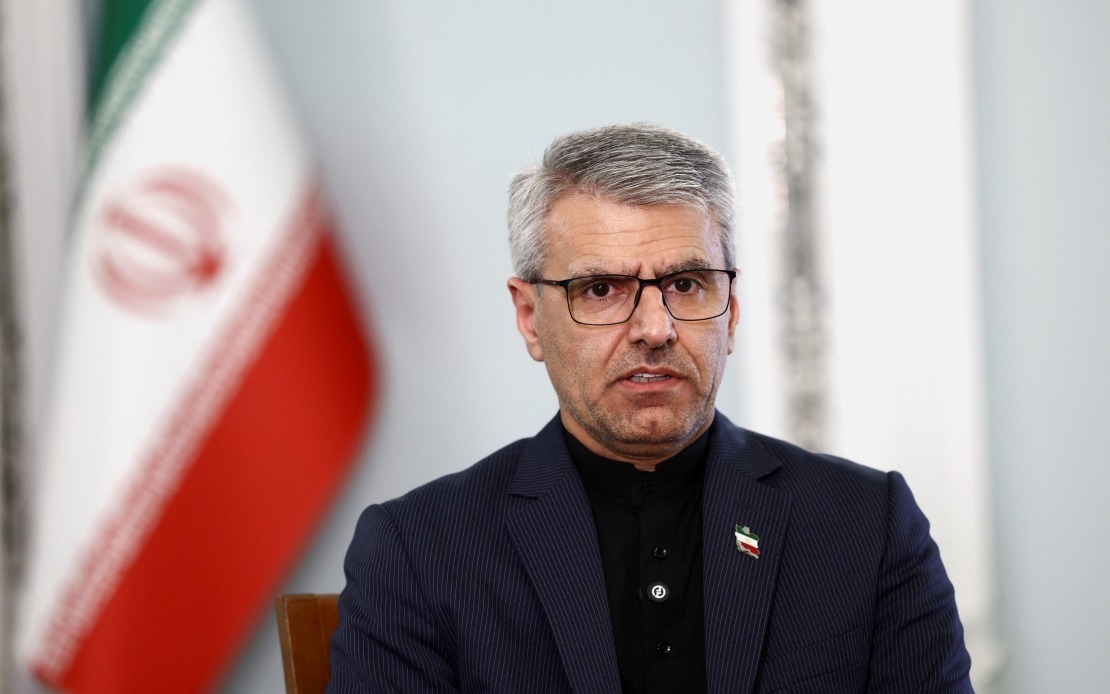
Iranian Foreign Ministry spokesman Esmaeil Baghaei outlined the scope of discussions following the closed-door meetings, emphasizing that the parties had collectively mapped out procedures to initiate formal negotiations on a definitive settlement. His comments, transmitted through the Islamic Republic News Agency, were notably cautious in tone, reflecting Iran's historical wariness about implementation commitments. Baghaei particularly stressed the importance of demonstrating earnestness during the execution phase, signalling that Tehran remains skeptical about whether Washington will follow through on any agreements reached.
A central outcome of the Switzerland discussions was the establishment of what negotiators term a "deconfliction cell," a mechanism designed to prevent misunderstandings and escalation during the sensitive transition period. This monitoring structure, which will include participation from neutral mediators, specifically focuses on maintaining the existing ceasefire and preventing renewed hostilities, with particular emphasis on the volatile situation in Lebanon. For Southeast Asian observers, this arrangement demonstrates how crisis zones can employ third-party oversight to prevent unintended military escalation—a model potentially relevant to regional disputes.
The talks also addressed the mechanics of Iran's economic reintegration into global markets. Negotiators discussed procedures for issuing licenses necessary for Iranian petroleum exports and mechanisms for unfreezing Iranian assets that have been subject to international restrictions. Baghaei indicated that tangible progress had been registered on both economic fronts, though specific timelines and quantum of funds involved remained undisclosed. These financial arrangements hold implications for global energy markets, as expanded Iranian oil sales could impact prices affecting energy-dependent economies throughout Asia.
Maritime security in one of the world's most strategically vital waterways emerged as another negotiation priority. The Strait of Hormuz, through which approximately one-third of global seaborne petroleum transits, has long been a flashpoint for US-Iran tensions. The parties agreed to establish mechanisms specifically designed to enhance maritime security and prevent confrontations in these strategically crucial waters. Such arrangements could reduce risks of accidental military encounters and stabilize the region's energy supply chains, benefiting trading nations worldwide, including Malaysia's significant maritime commerce through these waters.
According to Baghaei, technical working groups will continue detailed discussions on the mechanisms outlined and other outstanding issues necessary for operationalizing the memorandum of understanding. This division of labor between high-level political negotiators and technical experts reflects standard diplomatic practice, allowing both strategic direction-setting and detailed implementation planning to proceed simultaneously. The ongoing technical work suggests that broader frameworks may be advancing even as headline announcements suggest caution.
Mediating states Qatar and Pakistan jointly announced through an official statement that they had observed substantial progress during the initial phase of high-level talks conducted at the Lake Lucerne Summit venue. The two nations, functioning as neutral intermediaries, indicated that participating parties had embraced a structured roadmap envisioning a final peace agreement within a sixty-day timeframe. This compressed timeline, while ambitious, provides clear benchmarks for measuring progress and maintaining negotiating momentum.
The Switzerland negotiations occurred within the context of a recently executed memorandum of understanding intended to terminate hostilities that commenced on February 28, representing a significant shift from previous patterns of escalation and crisis. The existence of this prior agreement, even in preliminary form, appears to have created sufficient common ground for the more recent discussions to advance beyond initial posturing and move toward concrete institutional arrangements.
For Malaysian and regional stakeholders, these developments carry multiple implications. Beyond the obvious humanitarian considerations around regional conflict reduction, stabilized Iran-US relations would likely ease global energy market volatility, reduce military expenditures that divert resources from development, and create a more predictable environment for trade and investment flows through Middle Eastern corridors. The establishment of deconfliction mechanisms and maritime security arrangements also demonstrates how adversaries can compartmentalize negotiations, addressing specific functional problems even when broader political reconciliation remains incomplete—a potentially valuable model for other regional disputes.

