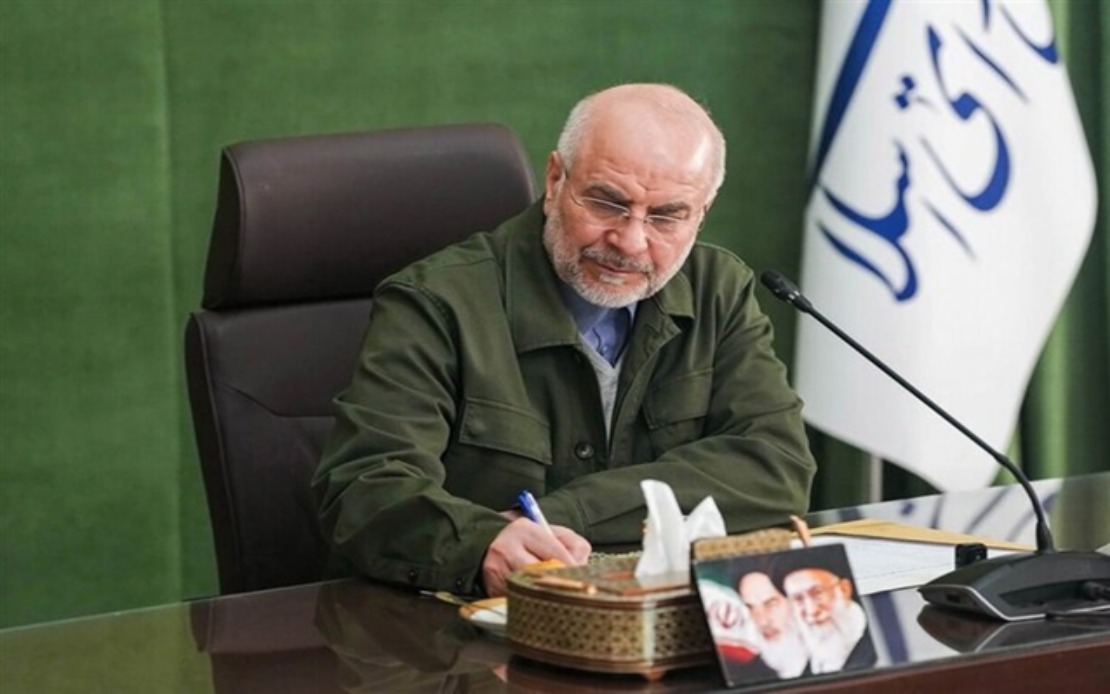
The dispute over Iran's unfrozen assets has intensified the already delicate negotiations between Tehran and Washington, with Iranian officials pushing back against American assertions about how released funds should be allocated. Parliament Speaker Mohammad Bagher Ghalibaf, who serves as a key negotiator for Iran, dismissed claims that the unfrozen money would necessarily flow toward US agricultural purchases, describing such American expectations as fundamentally misleading. His pointed commentary on social media underscored the depth of mistrust that continues to characterise relations between the two nations, even amid diplomatic overtures.
Ghalibaf's metaphorical response—that the only harvest Iran would be gathering was the crop of decades of mistrust planted by the United States—carried particular weight given his dual role in both parliament and the negotiation process. The statement suggested that Iranian leadership views the current talks not in isolation but within a broader historical context of antagonism and broken agreements. This framing is significant for Southeast Asian observers, as it highlights how historical grievances shape contemporary negotiations and can derail even well-intentioned diplomatic efforts in the Middle East.
The specific claims that triggered Iran's response came from senior American officials in rapid succession. Vice President JD Vance had suggested on Monday that the unfrozen assets could be directed toward purchasing US soybeans, corn, and wheat. President Donald Trump went further on Tuesday, proposing that the funds be held in a US-controlled escrow account with the explicit restriction that they be used exclusively for acquiring American food and medical supplies. These statements appeared designed to ensure that released Iranian assets would ultimately benefit American producers and strengthen US economic interests.
However, Iranian officials swiftly and systematically rejected this framework. Foreign Ministry spokesperson Esmaeil Baghaei declared on Tuesday that Iran would deploy the unfrozen assets according entirely to national interests, without external constraints or conditions. Baghaei emphasised that any purchasing decisions would be governed by conventional commercial criteria—price competitiveness and product quality—rather than political considerations or American expectations. This position reflects Iran's determination to exercise sovereign control over its own finances.
The Central Bank Governor, Abdolnaser Hemmati, adopted a slightly more nuanced but ultimately consistent stance. While he explicitly stated that Iran harboured no obligation to purchase American agricultural products, he left open the theoretical possibility of such transactions should US goods prove economically attractive. This formulation allowed Iran to maintain flexibility in commercial decisions while firmly rejecting any notion of predetermined purchasing commitments. The distinction matters considerably in international negotiations, as it preserves Iran's freedom of action while avoiding unnecessary confrontation.
These exchanges reveal fundamental disagreements about the purpose and conditionality of asset releases. From the American perspective, securing the unfrozen funds for US agricultural and medical products would ensure immediate tangible economic benefits and demonstrate concrete gains from the diplomatic process. For Iran, accepting such constraints would represent a significant concession of sovereignty and a capitulation to external dictates regarding how to deploy its own money. The divergence reflects deeper questions about the nature of negotiations and whether released sanctions should carry implicit strings attached.
The timing of these disputes is particularly noteworthy given the recent diplomatic framework established between the parties. On June 18, Tehran and Washington signed a Memorandum of Understanding committing both sides to sixty days of structured negotiations aimed at reaching a comprehensive agreement on Iran's nuclear programme and the comprehensive removal of sanctions. This timeline suggests that significant progress must be achieved rapidly, yet the disagreements over asset usage indicate that fundamental trust deficits remain unresolved.
Delegates from both nations recently convened in Switzerland on June 23 and 24 for the latest negotiating session. These discussions presumably addressed technical nuclear-related matters, but the parallel public statements about asset usage suggest that economic and political dimensions remain deeply contested. For Malaysia and other Southeast Asian nations observing these developments, the negotiations carry implications for regional stability, energy markets, and the broader architecture of international relations.
The discord over unfrozen assets reflects a pattern common in sanctions-related diplomacy: the gap between symbolic agreements and substantive implementation. While both sides publicly committed to dialogue through the MoU, disagreements about asset usage demonstrate that genuine reconciliation extends far beyond procedural agreements. Trust remains the scarcest resource in Iran-US relations, and disputes over how released money will be spent serve as proxies for deeper anxieties about commitment and intention.
For regional analysts, these developments underscore the fragility of current diplomatic progress. The sixty-day negotiating window is remarkably brief for resolving issues that have accumulated over more than four decades of estrangement. The asset-usage dispute, while seemingly economic in nature, actually reflects fundamental questions about whether either party genuinely intends to move beyond confrontation. Iran's firm rejection of external conditions on its finances represents a reassertion of national sovereignty, while American insistence on directing asset usage toward US products reflects persistent attempts to extract economic advantage from the negotiating process.
The broader significance extends to how sanctions diplomacy functions in the contemporary international system. The traditional model, wherein sanctions removal follows agreement but assets are then freely deployed, faces challenge from approaches that attempt to condition even released funds. This innovation, if sustained, could alter precedents affecting future negotiations involving frozen assets and sanctions relief. For Malaysia and the broader Association of Southeast Asian Nations, understanding these dynamics matters as the region navigates its own relationships with sanctioned and sanctioning powers.
Moving forward, the asset-usage question may become a litmus test for whether genuine compromise is achievable. If either side insists on maximalist positions—whether Iran's absolute freedom to spend as it wishes or America's demand that purchases serve US interests—the sixty-day window may prove insufficient for reaching comprehensive agreement. The negotiations will likely require creative solutions, perhaps involving third-party oversight or structured purchasing arrangements that satisfy both parties' core concerns while respecting Iran's sovereignty and legitimate economic needs.

