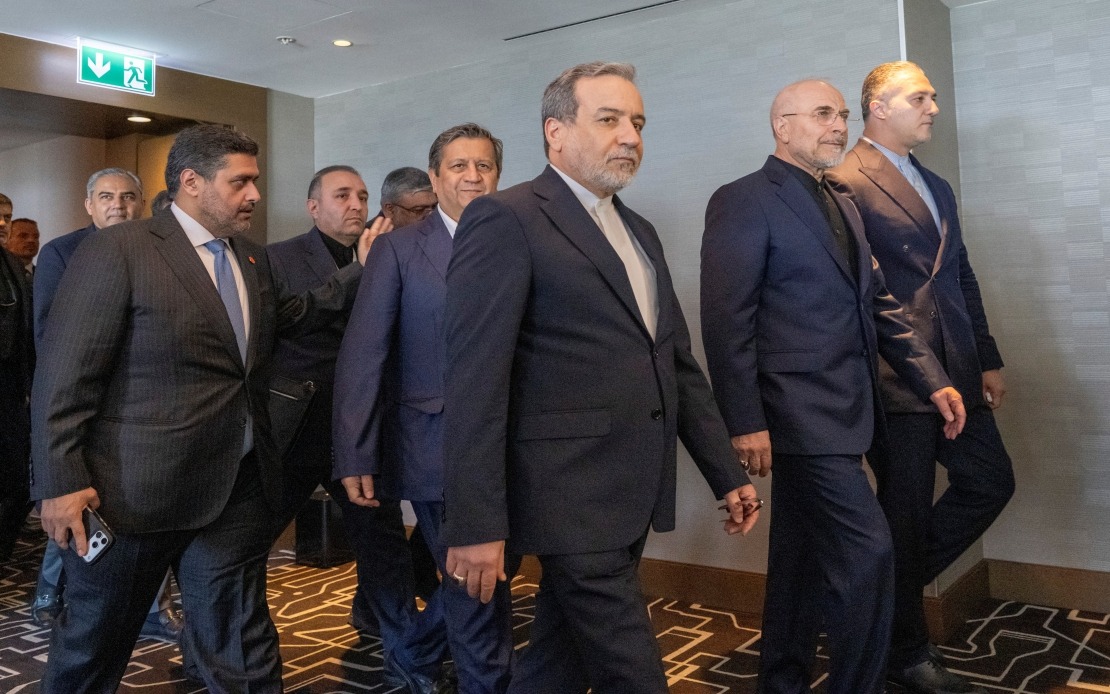
Iran's negotiating team headed home to Tehran on Monday after concluding an extended round of direct talks with United States representatives in Switzerland. The delegation, led by Parliament Speaker and chief negotiator Mohammad Bagher Qalibaf, departed from Burgenstock following the Lake Lucerne Summit, where both sides had engaged in nearly 18 hours of intensive consultations aimed at breaking through longstanding impasses in their relationship.
The talks represent a significant diplomatic engagement between two nations whose relations have been characterised by decades of tension and mutual suspicion. The location of the negotiations in neutral Swiss territory underscores the delicate nature of these discussions and the role of international mediators in facilitating such high-level encounters. Switzerland has long positioned itself as a venue for sensitive diplomatic negotiations, providing a setting where both parties can engage without appearing to compromise their respective positions domestically.
Mediator countries Qatar and Pakistan issued a joint statement describing the negotiating atmosphere as notably positive and constructive, signalling that both delegations approached the discussions with genuine intent to find common ground. This characterisation holds particular significance given the history of confrontational rhetoric that has often defined Iran-US relations, especially following the withdrawal of the United States from the Joint Comprehensive Plan of Action in 2018. The shift in tone, at least according to official mediator accounts, suggests a willingness on both sides to engage substantively on the issues dividing them.
According to statements from the mediating nations, the two delegations managed to identify and agree upon several operational mechanisms designed to sustain and advance the negotiation process. These frameworks represent the scaffolding upon which future talks will be built, providing structure and continuity to diplomatic efforts. The establishment of a high-level committee signals the commitment of both governments to maintain oversight of negotiations at the senior political level, ensuring that discussions do not stall in lower-level technical committees without direction from capitals.
The formation of technical working groups indicates that both sides recognise the need for detailed, subject-matter expertise to address the complex issues at stake. These working groups would typically tackle specific sectors or disputes, allowing specialists to develop proposals and identify areas of potential compromise. Such an approach permits negotiators to make progress on granular issues while more fundamental questions of principle continue to be debated at higher political levels.
Particularly noteworthy is the agreed 60-day roadmap toward a final agreement. This timeline, while not binding, provides both delegations with concrete expectations and benchmarks against which to measure progress. For Malaysian observers and regional stakeholders, such timelines carry significance as they indicate whether diplomatic momentum can be maintained and whether the negotiating parties genuinely view resolution as achievable within a foreseeable timeframe. Extended, open-ended negotiations often signal deeper disagreements or lack of political will.
The decision to continue technical discussions later in the same week demonstrates the intention to maintain momentum without lengthy intervals between negotiating sessions. This reflects a pattern common in active diplomatic engagements where the negotiating parties seek to capitalise on positive atmospherics and keep discussions moving forward while goodwill and constructive engagement remain evident.
From a regional perspective, the outcome of these Iran-US talks carries implications for Southeast Asian nations. Stability in the Middle East directly affects global oil markets, trade routes, and regional security architectures. Malaysia, as a major trading nation with significant dependence on stable global energy markets and maritime commerce, has vested interest in de-escalation between major powers in the Middle East. Any breakthrough in Iran-US relations could contribute to regional stability and more predictable international conditions.
The composition of the Iranian delegation, with Parliament Speaker Qalibaf leading negotiations, also carries domestic political significance within Iran. Qalibaf's prominence in the negotiating team suggests buy-in from Iran's legislative branch for whatever agreements might emerge from these discussions. This differs from arrangements where technical teams conduct negotiations somewhat removed from political oversight, which can sometimes result in agreements that struggle to gain domestic legislative or executive approval.
The cautious optimism expressed by mediators reflects the reality that while progress has been made in identifying mechanisms and timelines, fundamental differences between Iran and the United States remain substantial. The agreement to establish committees and working groups represents agreement on process rather than on the underlying substantive issues that have long divided the two nations, whether concerning nuclear activities, regional influence, sanctions, or human rights concerns.
For Malaysia and the broader Southeast Asian community, these developments warrant close monitoring. Regional powers have long sought stability in international relations and freedom from the destabilising effects of major power confrontations. The willingness demonstrated by Iran and the United States to engage in sustained, intensive negotiations, even if preliminary in nature, suggests that diplomatic pathways remain available even when tensions run high between major powers.

