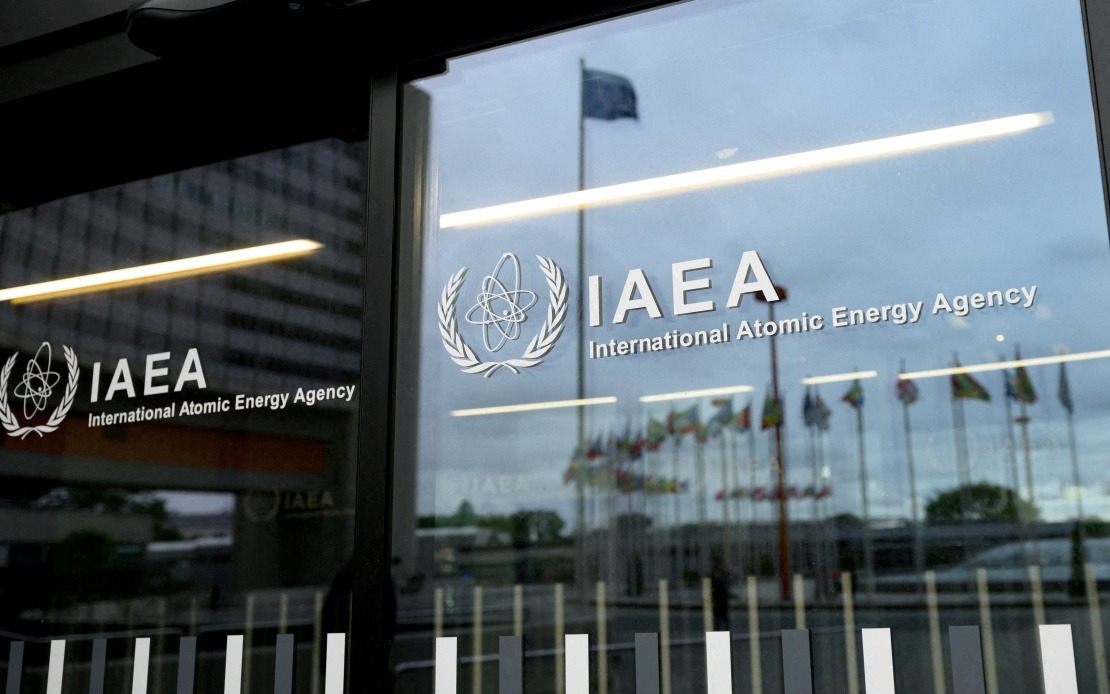
Iran is holding firm on its position that international nuclear inspections cannot proceed until a comprehensive agreement with the United States is finalized, casting fresh uncertainty over negotiations aimed at resolving the standoff over Tehran's atomic programme. The stance, articulated by senior diplomat Kazem Gharibabadi, represents a significant hardline posture that could complicate efforts to rebuild trust between the Islamic Republic and Western powers following months of military escalation in the region.
Gharibabadi, Iran's Deputy Foreign Minister for Legal and International Affairs, signalled through social media that questions surrounding access to Iranian nuclear facilities and materials would be addressed exclusively within the parameters of a final bilateral accord with Washington. Critically, he tied this concession to what he termed "the other party's practical action to terminate all sanctions," establishing a clear quid pro quo that places sanctions relief at the centre of any verification arrangement. This framing suggests Iran views nuclear transparency as inseparable from economic restoration, a position that could substantially lengthen negotiations.
The Iranian government also refuted claims that its negotiating delegation had met with International Atomic Energy Agency Director General Rafael Grossi in Switzerland in recent days, despite the agency chief reportedly seeking such engagement. The denial underscores tension between Iran's diplomatic efforts with the United States and its relationship with the IAEA, which has historically served as a neutral arbiter of nuclear compliance. By refusing to meet Grossi, Iran signals reluctance to discuss inspections outside the broader political framework of US negotiations.
These declarations followed Grossi's announcement that the IAEA would proceed with inspections in Iran based on a recently signed peace memorandum between Tehran and Washington. The June 18 memorandum of understanding establishes a 60-day negotiating window toward a comprehensive nuclear accord and sanctions rollback. Initial talks convened in Switzerland over the weekend and into Monday, marking the first substantive engagement since the recent conflict. The ambitious timeline suggests international pressure for rapid resolution, yet Iran's current obstruction indicates substantial gaps remain between the parties' expectations.
The geopolitical context renders these negotiations exceptionally fraught. Iran's three principal nuclear complexes at Fordow, Natanz and Isfahan endured bombardment by the United States during the 12-day military confrontation in June 2025. These same installations faced fresh strikes when conflict reignited on February 28 this year, with American and Israeli forces targeting Iranian atomic and military infrastructure. The repeated destruction of nuclear sites introduces unprecedented verification challenges, as facilities requiring inspection now contain significant damage and contamination, complicating any attempt at transparent assessment.
For Malaysia and other Southeast Asian nations, the implications are substantial. Regional economies remain vulnerable to oil price volatility triggered by Middle Eastern tensions, and any breakdown in Iran negotiations risks renewed military escalation that would disrupt global energy markets. Malaysia's significant energy imports and substantial trade relationships with both Gulf states and the broader Islamic world mean that instability between Iran and the West carries direct economic consequences felt across Southeast Asia.
The dispute also reflects deeper strategic tensions within international nuclear governance. The IAEA's mandate to verify compliance with non-proliferation obligations assumes a degree of political neutrality and technical independence that Iran increasingly questions. By insisting inspections be negotiated only within bilateral US talks, Tehran suggests it views the IAEA as potentially partial to Western interests. This interpretation, whether justified or not, complicates the agency's traditional role as an independent arbiter and raises questions about how verification can function when one party doubts the neutrality of oversight mechanisms.
Iran's negotiating approach appears designed to extract maximum concessions from Washington before permitting inspections. By withholding cooperation until sanctions are lifted, Tehran leverages its most valuable asset—uncertainty over its nuclear intentions—to secure economic relief. Conversely, the United States and its allies typically insist on verification prior to sanctions removal, creating a classic deadlock in which neither party will move first. Breaking this impasse requires one side to demonstrate sufficient trust to make the opening move, a remarkably difficult proposition after the recent military exchanges.
The 60-day negotiation window established by the memorandum is extraordinarily compressed for resolving such complex issues. Nuclear verification frameworks typically require months or years to design and implement, and the destruction of Iranian facilities means inspectors would be working in largely unfamiliar circumstances assessing damage rather than normal operations. Whether the parties can navigate technical verification challenges within this political timeframe remains deeply uncertain.
Gharibabadi's public statements through social media rather than traditional diplomatic channels suggest Iran may be signalling to domestic audiences as much as to international negotiators. Iranian hardliners oppose rapprochement with Washington, and the Deputy Foreign Minister's firmness on inspections may reflect efforts to demonstrate that Iran is not capitulating to American pressure. This domestic political dimension adds another layer of complexity to already difficult negotiations.
For Southeast Asian observers, the standoff underscores how regional security ultimately depends on great power relationships operating far from the region's shores. Malaysia and neighbouring nations have little direct influence over Iran-US negotiations yet face material consequences should they fail. The broader lesson is that nuclear proliferation concerns, when intertwined with military conflict and sanctions regimes, rarely resolve quickly, and the window for diplomatic breakthroughs can close unexpectedly if either side interprets the other's actions as bad faith.

