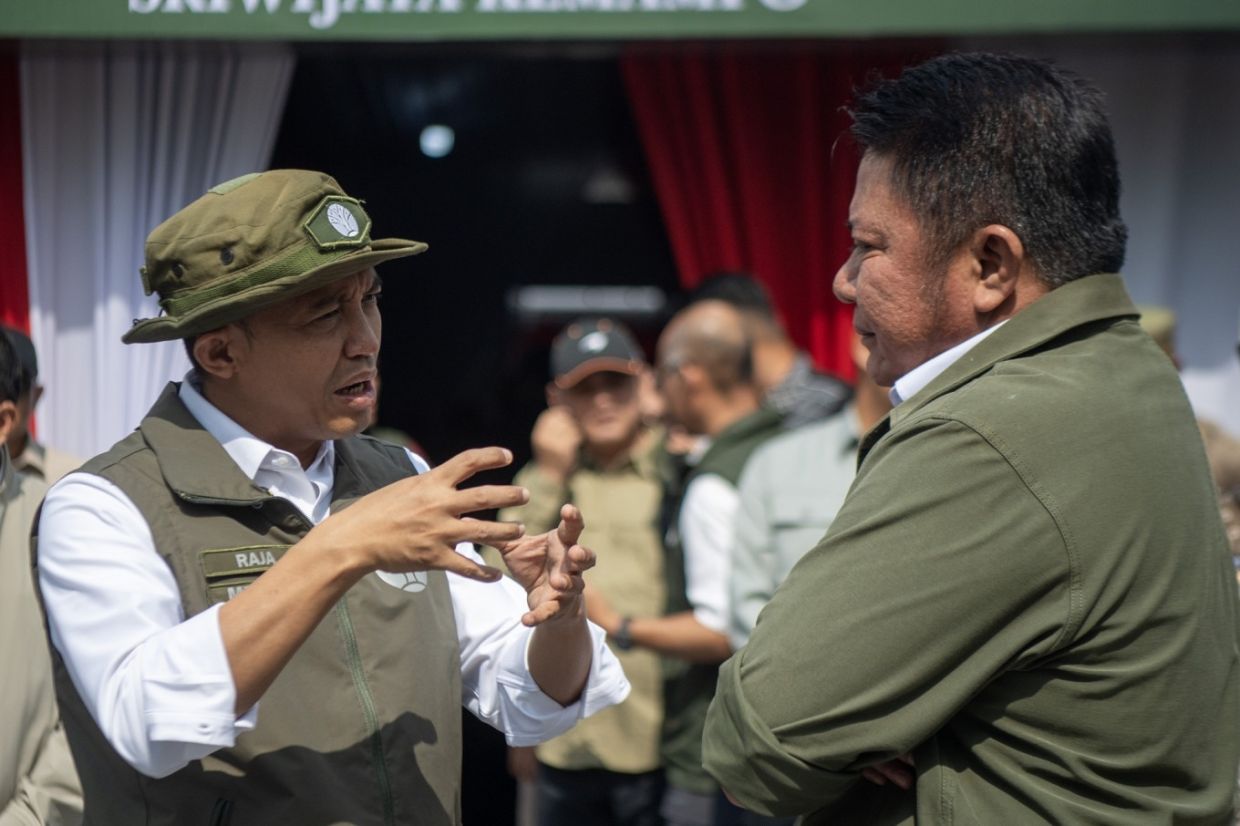
Indonesia's Corruption Eradication Commission has intensified scrutiny of Forestry Minister Raja Juli Antoni, reopening its investigation into allegations that the minister did not completely return kickbacks allegedly handed over by Suhardiman Amby, regent of Kuantan Singingi in Riau province. The anti-graft body suspects a discrepancy between the amount of illicit money the minister initially reported and what he actually received during their June 2 meeting, according to KPK spokesperson Budi Prasetyo's statement on Thursday, August 6.
The controversy centres on an alleged envelope of Singapore dollars presented to Raja Juli during a ministerial meeting with Kuantan Singingi administration officials. According to the KPK's account, the envelope originally contained S$14,000 (approximately US$10,919), though the minister has claimed he declined to accept it. Compounding the situation, other ministry officials were allegedly offered S$12,500 from various Kuantan Singingi officials at the same or related meetings, raising questions about the extent of the alleged bribery scheme and whether it represented a coordinated effort to influence forestry decisions.
Raja Juli reported the alleged bribe attempt to the KPK on July 3, more than a month after the meeting occurred, claiming he had returned the envelope on June 12 at Kuantan Singingi Police headquarters. However, the timing and circumstances of this return have drawn scrutiny from investigators, who are examining whether the minister's reported actions align with actual evidence. The investigation now hinges on whether documentary proof exists that the money was genuinely returned, or whether discrepancies in the accounts suggest the minister retained at least part of the funds.
Under Indonesian law, public officials who receive improper gifts related to their position must report them to the KPK within 30 days of acceptance, not to local police, making Raja Juli's decision to report to police headquarters potentially significant to the legal proceedings. Conviction for accepting illicit gifts carries severe penalties, including up to 20 years imprisonment and fines reaching Rp 1 billion (US$55,867), underscoring the gravity of the allegations. The legal framework exists precisely to prevent officials from circumventing anti-corruption oversight by reporting sensitive matters through alternative channels.
Investigators believe the alleged bribes may be connected to a forest reclassification proposal submitted by Kuantan Singingi administration. The regency sought to convert more than 1,800 hectares of limited production forest (HPT) to other classifications, a decision that would fall under the Forestry Ministry's authority. Such conversions carry significant economic implications for regional development, potentially explaining why local officials might attempt to influence the ministry's decision through illicit payments. The forestry sector remains vulnerable to corruption due to the substantial financial stakes involved in land-use designations.
The broader investigation reveals a pattern of contact between Raja Juli and Suhardiman that extends beyond the June 2 meeting. The KPK identified at least three separate meetings between the two officials across April, May, and June, though investigators have not yet clarified whether these sessions dealt with the forest conversion proposal, personal matters, or other official business. This pattern of repeated contact adds another layer to the inquiry, as prosecutors attempt to establish whether the bribe attempt was isolated or part of sustained efforts to obtain ministerial favours.
Suhardiman, who holds membership in President Prabowo Subianto's Gerindra Party, was arrested and designated a suspect by the KPK in late June in connection with separate corruption allegations involving kickbacks to the regency's secretary Zulkarnain. His apprehension in that matter prompted investigators to expand their inquiry into his dealings with the Forestry Ministry, creating a cascade effect that has now ensnared a cabinet-level official. This approach reflects the KPK's methodology of pursuing interconnected cases to map broader corruption networks within institutions.
Raja Juli's position as secretary-general of the Indonesian Solidarity Party (PSI), a vocal anti-corruption voice within Indonesian politics, has amplified the reputational damage from these allegations. The party's explicit anti-corruption platform makes the minister's involvement in a graft investigation particularly damaging to both his personal standing and the party's public image. Members of the House of Representatives Commission IV, which oversees forestry planning, have demanded clarification from the minister, and his absence from a July 14 meeting with commission members—explained as attendance at religious pilgrimage—compounded public and legislative frustration.
The Forestry Ministry has issued statements affirming its commitment to cooperate fully with the KPK investigation and pledging that no forest status changes have been granted to Kuantan Singingi to date. The ministry noted that the three recent proposals from the regency remain either rejected or under verification, suggesting that any attempted bribery did not successfully influence policy outcomes. This disclosure, while potentially exculpatory regarding policy decisions, does not address whether Raja Juli personally benefited from the alleged kickbacks or whether his receipt of money constituted a criminal act regardless of ministerial action.
For Malaysian observers, this case illustrates the persistent challenges that even well-established anti-corruption institutions face in combating high-level graft in large Southeast Asian nations. While Indonesia's KPK has earned respect for its independence and investigative capacity, the involvement of a sitting cabinet minister demonstrates how corruption can penetrate elite political circles despite institutional safeguards. The case also underscores how forest-related corruption remains a regional concern, with Malaysia's own forestry sector having experienced similar controversies involving land-use conversion permits and official influence.
The investigation's trajectory will significantly impact Indonesia's governance narrative and the credibility of President Prabowo's administration, which has promised anti-corruption reforms. Public perception of how the government handles the case—whether the minister faces prosecution proportionate to evidence or receives preferential treatment—will influence broader confidence in institutional independence. Given that Suhardiman belongs to Prabowo's coalition partner Gerindra Party, the case poses a delicate political test for the government's commitment to fighting corruption regardless of political affiliation.

