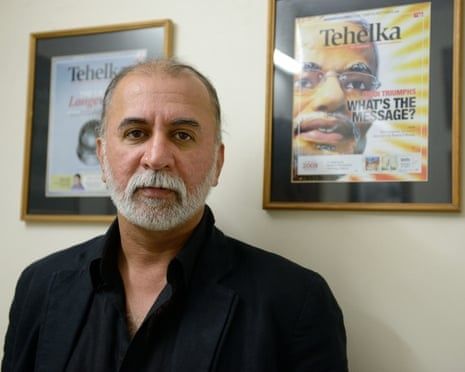
The Bombay High Court has delivered a significant verdict by convicting Tarun Tejpal, the 63-year-old founder and former editor of Tehelka magazine, of sexually assaulting a junior journalist. The decision marks a dramatic reversal of a 2021 trial court acquittal and represents a major development in a case that has captivated India's attention for over a decade and raised profound questions about accountability within India's media establishment.
The alleged assault occurred in November 2013 when Tejpal was accused of raping the woman journalist in a hotel lift at a five-star property in Goa during a professional event. The incident triggered immediate legal action, resulting in Tejpal's arrest and subsequent incarceration for seven months before India's Supreme Court granted him bail. The prolonged uncertainty and legal battles that followed have kept the case in the public eye, particularly as it touched upon issues of workplace safety and power dynamics in the journalism sector.
For nearly a decade after the alleged assault, Tejpal maintained his innocence against the charges, which encompassed rape, sexual harassment, and wrongful restraint. In 2021, that steadfast denial appeared vindicated when the trial court in Goa acquitted him of all accusations. The acquittal seemed to signal an end to the ordeal, but it prompted the Goa government to challenge the decision, demonstrating official determination to pursue the case despite the initial court ruling. This government intervention ultimately led to the matter reaching the Bombay High Court, which has now completely upended the earlier verdict.
The conviction carries substantial implications for Indian media ethics and workplace governance, particularly given Tehelka's historical positioning as a champion of investigative journalism and social justice. The magazine had built its reputation on exposing corruption and holding powerful institutions accountable, making the irony of its founder's conviction especially stark. The criminal charges against the magazine's leader struck at the heart of its institutional credibility, suggesting a troubling disconnect between Tehelka's public advocacy and the conduct of its leadership.
The impact on Tehelka itself has been profound and lasting. Although the publication continues operating under new management, it has never recovered the authority and influence it commanded before 2013. The magazine's standing in Indian journalism circles has been substantially diminished, with many readers and sources unable to separate the publication's investigative mission from the shadow cast by its founder's legal troubles. The institutional damage extends beyond mere reputation, affecting the magazine's ability to attract top talent and maintain the editorial independence that once defined its work.
Policeman Sunita Sawant, the investigator who led the probe into the allegations, emphasised the broader significance of the conviction beyond Tejpal's individual culpability. Sawant stressed that the verdict validates the complainant's courage in pursuing her case through years of legal proceedings, describing the judgment as particularly important for women working across all professional sectors. This framing underscores how the case transcends a single criminal conviction, functioning instead as a test case for women's ability to seek justice within India's legal system against powerful figures.
Tejpal's case emerged during a particularly intense period of scrutiny regarding India's handling of sexual violence. The conviction comes years after the December 2012 fatal gang rape of a 23-year-old student on a New Delhi bus, an incident that sparked unprecedented nationwide protests and international condemnation. That horrific attack prompted the Indian government to substantially reform the country's rape laws and criminal procedures, creating a legal environment more receptive to sexual assault prosecutions. The Tejpal case, occurring just months after those 2012 events, thus carried symbolic weight as a test of whether India's justice system could hold even prominent public figures accountable.
The road to conviction has been extraordinarily lengthy and complex, involving multiple court jurisdictions and reversals. That Tejpal spent only seven months in prison before obtaining bail illustrates how protracted and uncertain the legal journey has been for the complainant. The years between arrest and eventual conviction represent a significant period of uncertainty, during which media coverage and public discussion about the case have waxed and waned, yet never entirely disappeared from public consciousness.
Looking forward, Tejpal faces sentencing later following the conviction, though the specific punishment remains to be determined. His legal options include filing an appeal in a higher court, potentially extending the litigation further. Whether through sentencing or subsequent appeals, the legal process is unlikely to conclude immediately, meaning the case will continue to occupy space in India's judicial system and public discourse regarding media accountability and sexual harassment within the workplace.
The conviction carries broader implications for how India's journalism sector addresses power imbalances and workplace protection. Tehelka's decline and Tejpal's conviction serve as cautionary tales about institutional vulnerability when leadership engages in misconduct. For Malaysian and Southeast Asian media organisations watching this case, it underscores the importance of establishing robust internal accountability mechanisms and protecting junior staff from exploitation by senior figures, regardless of those figures' public standing or professional achievements.

