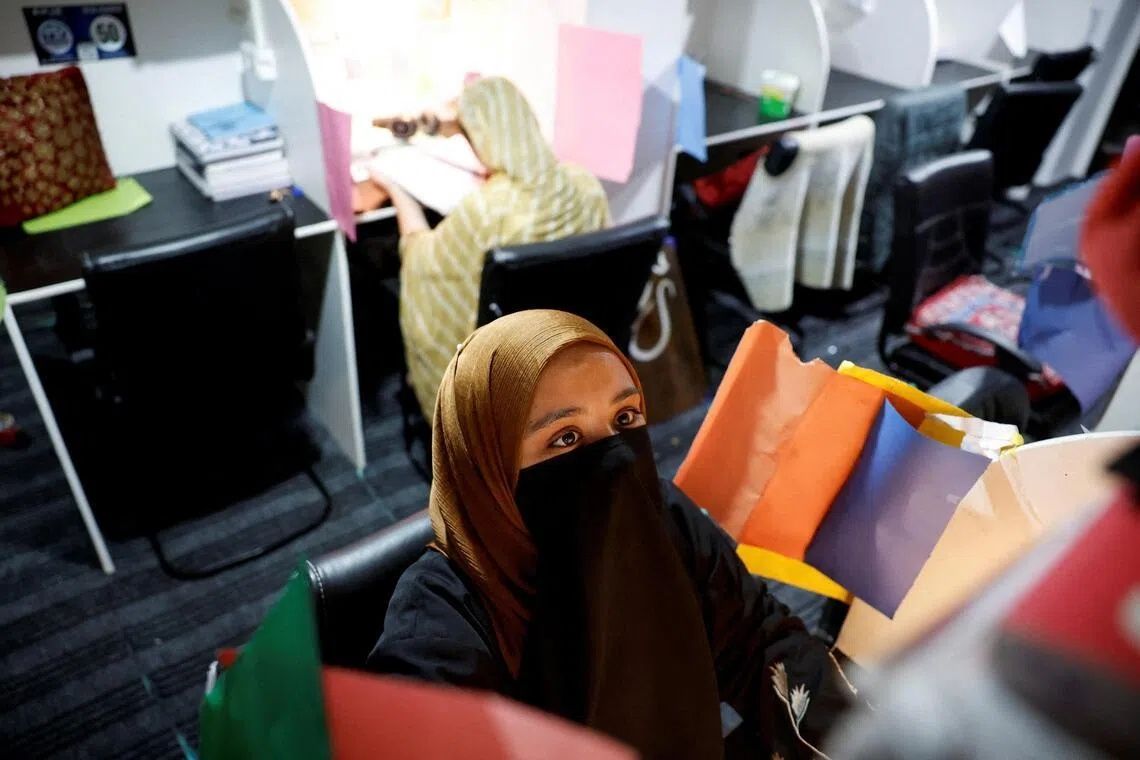
Facing what may be one of India's most gruelling academic challenges, over 2 million aspiring medical students are preparing for a second attempt at the National Eligibility cum Entrance Test this coming Sunday, an ordeal they never anticipated navigating. The retake comes after authorities dismantled the results from the initial examination held on May 3, responding to widespread allegations that question papers had been compromised and circulated in advance through social media channels. For a cohort already exhausted by years of intensive preparation, the prospect of repeating the gauntlet has become an unexpected source of profound psychological strain, compounding what is already recognised as one of India's most mentally taxing entrance examinations.
The odds facing these candidates underscore the brutality of India's medical education system. Only between 5 and 6 per cent of those sitting the National Eligibility cum Entrance Test ultimately secure seats at medical schools, meaning that even stellar performance carries no guarantee of success. The competition is fierce, the expectations are astronomical, and the margin for error is virtually non-existent. When the test must be repeated due to administrative failure rather than individual shortcoming, the psychological toll becomes especially acute among those who were already navigating self-doubt and exhaustion.
Alima Javed, a 20-year-old student from Srinagar who will participate in the retake, articulates the frustration rippling through the student body. "This examination drains us mentally," she said. "We put in years of hard work, and then the paper gets leaked and results are cancelled." Her words capture a sentiment echoing across the country: students who have already invested enormous time and emotional energy now face the daunting prospect of mobilising their reserves once more, uncertain whether they can replicate their previous performance or whether fresh complications might again derail their efforts.
The alleged breach has catalysed considerable political turbulence for Prime Minister Narendra Modi's administration. Student demonstrations have erupted in New Delhi and cities throughout the country, with hundreds of protesters mobilising to voice their grievances at each gathering. Opposition politicians and sections of the media have seized upon the controversy, with some claiming the debacle has precipitated student suicides, allegations that remain difficult to substantiate independently but which nevertheless reflect the severity of the crisis in public perception.
Education Minister Dharmendra Pradhan has sought to reassure the anxious student population, pledging that the government will guarantee a "fair and transparent" re-examination. However, the government's response has extended beyond rhetorical commitments. Authorities issued orders to temporarily block the Telegram messaging application until the conclusion of the examination, citing concerns that the platform's anonymity features and the ease with which blocked channels can be recreated made it vulnerable to potential misuse during the test. This decisive action reflects the seriousness with which officials are approaching the integrity challenge, though the measure has attracted scrutiny from civil liberties advocates who question whether such broad censorship represents a proportionate response.
On June 19, India's judicial system validated the government's position when courts rejected Telegram's legal challenge to the ban, determining that the temporary blockade constituted a lawful and reasonable exercise of state authority. The court specifically identified Telegram as presenting a distinctive risk profile compared to other communication platforms, distinguishing it through its technical architecture and the particular vulnerabilities it presented in the examination security context. This judicial blessing provided officials with confidence to proceed with their security arrangements, even as the action remained controversial among digital rights campaigners.
Beyond the Telegram blockade, a comprehensive investigative apparatus has been mobilised to uncover the origins of the alleged leak. Multi-agency teams are conducting wide-ranging probes, tracing financial transactions connected to suspected cheating syndicates and attempting to establish precisely how question papers were compromised and distributed. Indian government officials have confirmed that arrests have already been made across multiple states, and they have signalled that significantly enhanced penalties will be imposed on those found culpable in examination fraud schemes.
The government has simultaneously announced a range of strengthened security protocols intended to prevent future breaches. Enhanced surveillance systems at examination centres, more rigorous procedures governing the handling and custody of question papers, and the deployment of digital tracking technologies represent efforts to close vulnerabilities that the alleged leak exposed. These measures signal an institutional commitment to preventing recurrence, yet their implementation has generated scepticism among students who question whether procedural enhancements can truly protect them from systematic failures.
The renewed anxiety has left many students struggling emotionally. Aliya Jalaal, also 20 years old, described being satisfied with her performance on the initial attempt, yet the prospect of retaking has created such intense apprehension that she has sought professional psychiatric intervention. Her situation exemplifies how the retake, rather than offering a fresh opportunity, has become another layer of psychological burden for candidates already operating under extreme pressure. The contrast between her relief after the first attempt and her subsequent descent into anxiety underscores how external factors beyond student control can demolish carefully constructed emotional equilibrium.
For Malaysia and other Southeast Asian nations observing India's medical education crisis, the episode offers important lessons about examination integrity and student welfare in hyper-competitive educational systems. The scale of India's medical entrance examination—involving millions of candidates—and the profound stakes involved create circumstances where even isolated security lapses can trigger cascading consequences affecting millions of lives. As Southeast Asian governments expand higher education access and intensify competition for limited professional school places, the Indian experience serves as a cautionary narrative about what can occur when examination administration fails and about the urgent necessity of building robust security frameworks before crises emerge rather than implementing them reactively after breaches occur.

