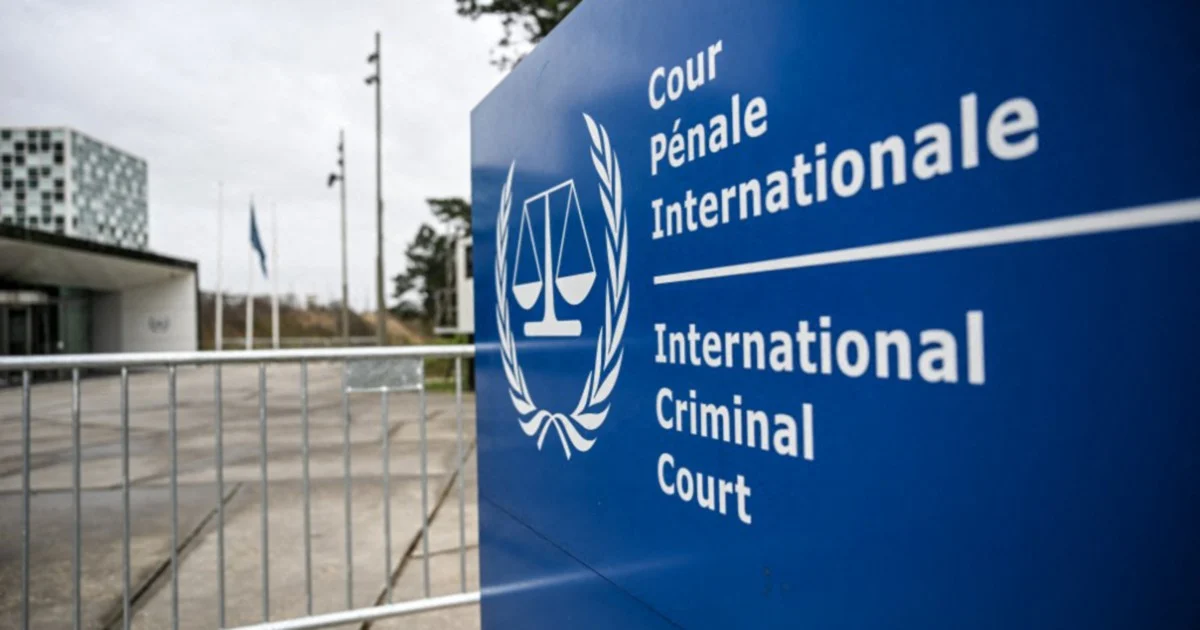
Three judges serving the International Criminal Court have escalated their dispute with the United States by initiating legal proceedings in federal court against President Donald Trump and other top administration officials. The judges, who were targeted by American sanctions, contend that the punitive measures violate established legal principles and exceed constitutional authority. The lawsuit, filed in New York, represents an unprecedented confrontation between an international judicial institution and the US government over the scope and legitimacy of unilateral economic penalties.
The sanctions in question represent a significant strain in relations between Washington and The Hague-based tribunal. The Trump administration's decision to penalise the ICC judges stemmed from the court's investigations and prosecutions involving American military personnel and officials. This friction reflects deeper ideological differences about international law, sovereignty, and the extent to which the United States should participate in or defer to multilateral institutions that sit in judgment over American actions.
The judges argue their sanctioning amounts to an unlawful infringement of judicial independence and international law protections afforded to members of international courts. Such protections, they maintain, form the bedrock of effective international justice mechanisms. By targeting them personally through financial restrictions and asset freezes, the administration has crossed a line that undermines not merely their individual capacity to function, but the institutional integrity of the court itself.
For regional observers in Southeast Asia, this litigation carries important implications. Many nations in this region have supported the ICC and some have ratified its founding treaty, the Rome Statute, thereby accepting its jurisdiction. Malaysia, while not a signatory, maintains close ties with the tribunal through participation in international legal forums. The outcome of this case could significantly influence how smaller nations view their relationship with international courts and whether such institutions can genuinely operate free from pressure by major powers.
The legal arguments advanced by the judges centre on the proposition that US sanctions violate established diplomatic immunity principles and international norms governing treatment of judges serving multilateral organisations. These protections exist precisely to insulate judicial officers from political retaliation, ensuring they can issue verdicts without fear of economic hardship imposed by dissatisfied governments. The plaintiffs contend that by weaponising economic coercion against them personally, Washington has violated these foundational standards.
The Trump administration's rationale for the sanctions focused on what officials characterised as the ICC's overreach and perceived bias in its investigations. American policymakers have long expressed scepticism about international courts that operate beyond direct US control, viewing them as potential threats to American sovereignty. This hostility toward the ICC predates the current administration, reflecting a consistent strain in American foreign policy that privileges unilateral action and views multilateral constraints with deep suspicion.
The lawsuit will inevitably force American courts to grapple with competing principles: the executive branch's traditional prerogative to conduct foreign policy and impose sanctions, versus constitutional and international law constraints on arbitrary punishment of judicial officers. Federal judges will need to examine whether sanctions targeting individuals for their official judicial duties cross constitutional boundaries, even when nominally justified on foreign policy grounds. This tension between executive power and rule-of-law constraints sits at the heart of the dispute.
The ICC itself occupies an increasingly precarious position globally. Support from major democracies has wavered as critics on both left and right have questioned its effectiveness and neutrality. African nations have periodically threatened withdrawal, citing alleged bias in prosecution patterns. The organisation's inability to secure cooperation from major powers without facing political backlash undermines its credibility and effectiveness. Should American courts ultimately vindicate the judges' claims, it could provide some protection to international judicial institutions from political coercion by powerful states.
Conversely, should the Trump administration prevail in defending its sanctions, it would establish precedent that major powers can effectively punish international judges through economic pressure when they deem outcomes unsatisfactory. Such an outcome would substantially weaken multilateral justice mechanisms and embolden other nations to adopt similar tactics against international courts or tribunals they view as unfavourable. The implications extend far beyond the ICC itself, potentially affecting other international dispute-resolution mechanisms upon which smaller nations depend for protection.
For Southeast Asian countries, the stakes involve fundamental questions about whether international law can genuinely operate as a constraint on powerful states or whether it remains merely a tool those states deploy selectively. The outcome will signal whether judicial independence at the international level can withstand political and economic pressure, or whether it ultimately depends on the goodwill of major powers. Nations in the region that have embraced international legal mechanisms will closely monitor how American courts navigate these treacherous waters.
The judges initiated this legal challenge despite knowing the political obstacles they face. Their decision to pursue litigation rather than accept the sanctions reflects their conviction that the measure crossed fundamental legal boundaries. Whether American courts share that assessment remains uncertain, but the case itself demonstrates that challenges to international institutions increasingly occur not merely through diplomatic channels but through courts, where competing legal principles must be weighed and reconciled in ways that defy easy political compromise.

