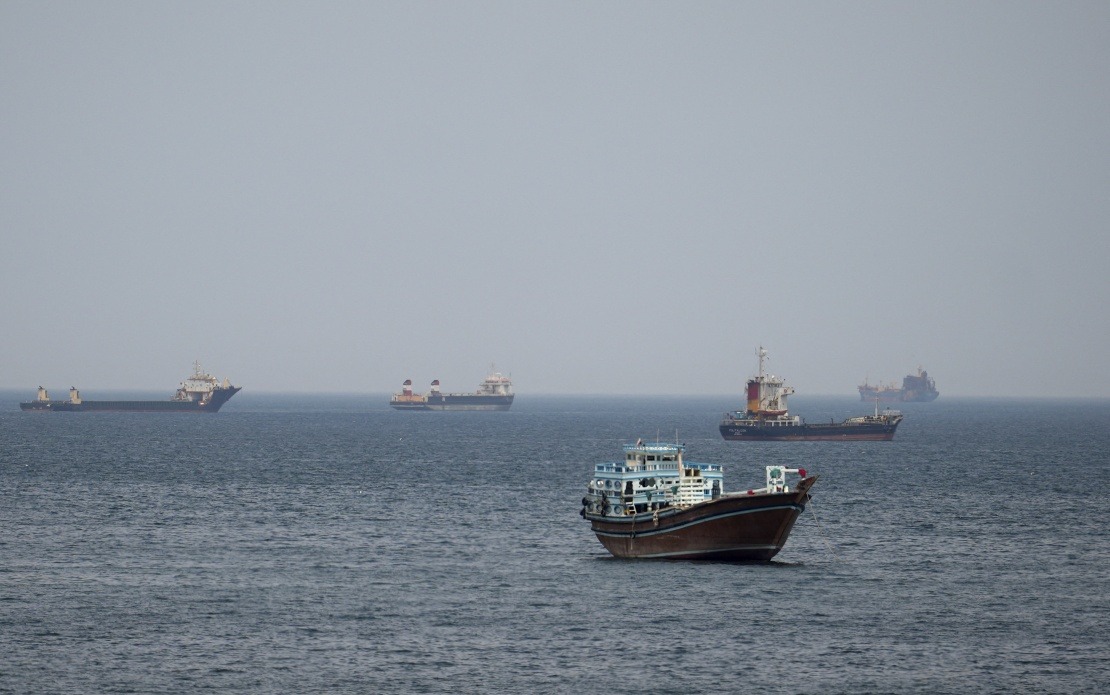
An interim deal to halt hostilities between the United States and Iran formally commenced on Thursday, unlocking shipping lanes through the Strait of Hormuz and prompting immediate relief in global energy markets. Oil tankers resumed their passage through the waterway, which channels roughly one-fifth of the world's petroleum exports, while crude prices fell to their lowest point since the conflict erupted nearly four months earlier on February 28. The agreement establishes a 60-day window for negotiators to resolve the core dispute over Iran's nuclear capabilities, potentially unlocking a US$300 billion reconstruction package and additional financial concessions for Tehran.
The reopening of the Hormuz corridor carries profound implications for Southeast Asia and Malaysia in particular. The region's energy-dependent economies, including Singapore's refining sector and Malaysia's downstream petroleum industry, have faced sustained pressure from elevated oil prices and supply uncertainties throughout the conflict. The normalization of traffic through this chokepoint should ease inflationary pressures on fuel and petrochemical costs across the region, benefiting both consumers and manufacturers reliant on stable energy pricing. Analysts anticipate that sustained shipping volumes could drive prices toward more sustainable levels over the coming months, provided the ceasefire holds and diplomatic progress continues.
Yet the agreement represents a dramatic reversal of the Trump administration's initial maximalist demands. When launching military operations, the president explicitly sought the destruction of Iran's nuclear weapons programme, the elimination of its strike capabilities against regional neighbours, the curtailment of its support for militant proxies, and ultimately a regime change that would empower opposition forces within Iran itself. Instead, Trump signed the ceasefire with none of these core objectives achieved. Supreme Leader Ayatollah Moitaba Khamenei characterized the American decision as born of desperation, signaling that the upcoming nuclear negotiations will prove contentious rather than straightforward. His statement that Iran will reject excessive American demands sets a confrontational tone for talks that Washington hopes will produce strict nuclear restrictions.
The asymmetry in negotiating positions is instructive. Iran enters these discussions from a position of relative strength, having withstood a sustained military campaign by a superpower while maintaining control over critical chokepoints and securing valuable sanctions waivers. The country's ability to disrupt global commerce through the Strait of Hormuz remains intact; Tehran has announced it will continue issuing permits and directing traffic throughout the 60-day negotiation period, though it has waived fees as a confidence-building measure. This control over one of the world's most vital maritime passages provides Tehran with substantial leverage in discussions that will determine the future trajectory of relations with Washington and the broader international community.
JD Vance, designated as the lead American negotiator, has signaled that restrictions on Iran's long-range missile arsenal will form a second pillar of discussions alongside nuclear matters. This expansion of the negotiating agenda potentially complicates the path forward, as Tehran views its ballistic missile programme as essential to regional deterrence and self-defence. The gap between American expectations and Iranian readiness to accept constraints on this capability represents one of the most intractable issues facing the diplomatic process. Malaysia and other ASEAN nations, which have invested diplomatic capital in regional stability and balanced great-power relations, have a vested interest in seeing negotiations succeed and preventing any escalation that could again disrupt the global trading system.
A more immediate threat to the ceasefire's durability emerges from the Israeli military's continued operations in Lebanon, where displacement now exceeds one million people. Fresh Israeli airstrikes were launched early Thursday, directly contradicting the ceasefire agreement's call for permanent termination of warfare across all fronts and preservation of Lebanese sovereignty. Israel, which was not represented at the negotiating table, has released maps showing expanded territorial control and explicitly rejected withdrawal, positioning itself as an obstacle to comprehensive regional peace. This defiance of the agreement's framework suggests that Trump's influence over his traditional Middle Eastern ally has limits, and that the architecture of any durable settlement remains fragile.
Trump's unusually public frustration with Israel's Lebanon campaign reflects the tension between his role as a dealmaker seeking to declare victory and his commitment to maintaining the strategic partnership with Tel Aviv. His blunt warning that Israel risks alienating its only major regional patron, while rhetorically powerful, has not yet translated into tangible enforcement mechanisms or consequences. This credibility gap—between Trump's stated commitment to comprehensive peace and his apparent inability or unwillingness to compel Israeli compliance—undermines confidence in American guarantees for the broader agreement. Regional observers, including policymakers across Southeast Asia who track Middle Eastern stability closely, will be watching whether Washington can enforce the ceasefire's provisions when powerful allies ignore them.
The agreement's structure itself reflects America's weakened negotiating position. The reconstruction fund represents a massive economic concession designed to incentivize Iranian compliance, yet skeptics argue it signals American desperation rather than strength. Congress, particularly Republicans who traditionally favour hardline Iran policies, has voiced concerns that Trump surrendered too much in exchange for a temporary halt to an unpopular war. This domestic political opposition could constrain Washington's flexibility during the critical negotiation phase ahead, as Trump must simultaneously manage expectations among his political base and deliver on promises of a historic agreement. The political cost of ceasefire failure, should these talks collapse, could prove substantial.
For Malaysia and the broader Southeast Asian region, the implications extend beyond energy market stabilization. The agreement, however fragile, represents a potential shift toward negotiated resolution of great-power conflicts rather than sustained military confrontation. That precedent carries lessons for regional disputes and great-power competition in Asia. Conversely, if the agreement unravels—whether through Israeli defiance in Lebanon, Iranian intransigence on nuclear matters, or renewed American pressure—the consequences for global stability and energy security would be severe. Southeast Asian governments have limited direct influence over these developments but substantial exposure to their consequences. The success or failure of the current diplomatic window will shape the regional security environment and economic prospects for years ahead.

