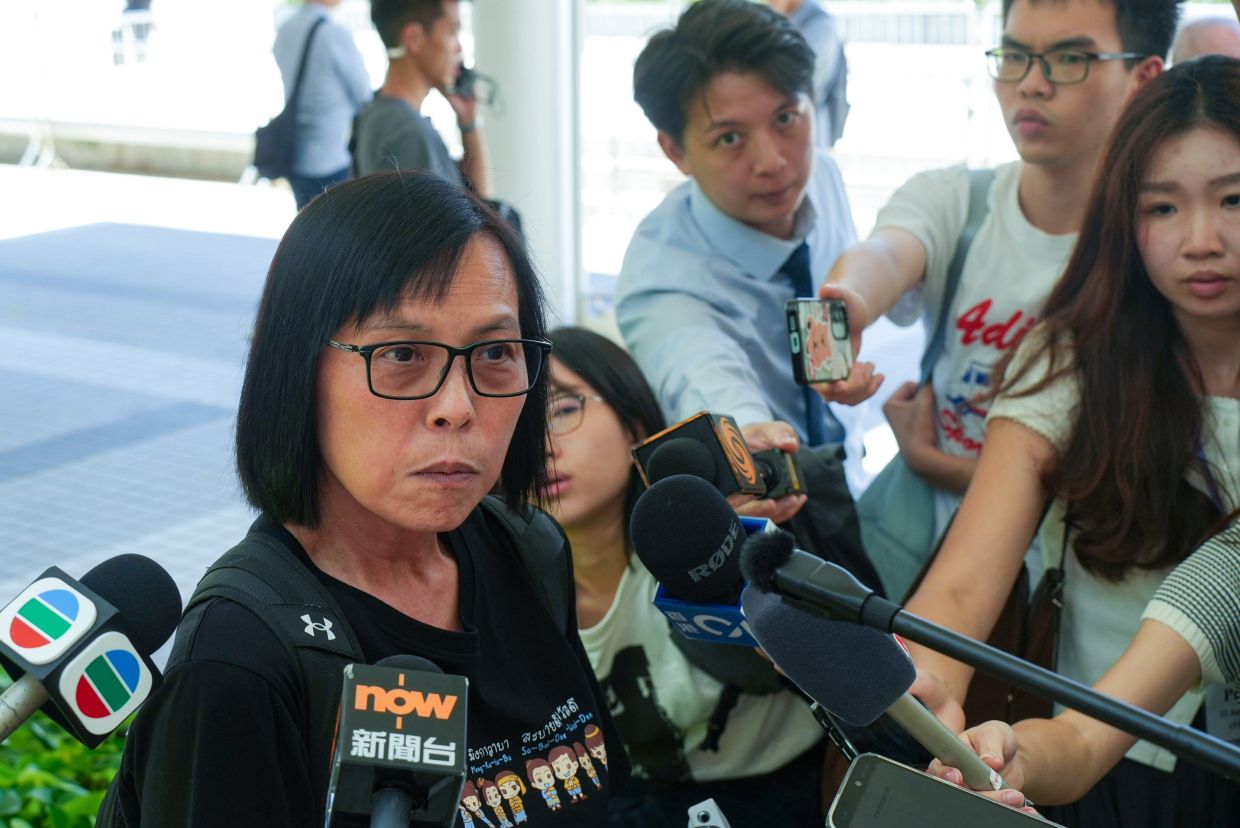
The independent committee examining Hong Kong's Wang Fuk Court apartment fire has chosen not to seek formal statutory authority, a decision that has sparked concern among survivors and observers who question whether the investigation will have sufficient powers to uncover the full circumstances of last year's tragedy. Justice David Lok Kai-hong, who chairs the inquiry panel, announced that the committee would proceed without requesting the chief executive to elevate it into a statutory commission of inquiry, a designation that would grant significantly broader investigative powers.
The Wang Fuk Court fire, which devastated the public housing complex in the New Territories last year, claimed multiple lives and displaced numerous residents. The scale of the disaster prompted calls from community groups and affected families for a thorough, independent investigation equipped with all necessary legal instruments to compel evidence and testimony. The resumption of the inquiry this week—following a six-week recess—marks a critical phase in the investigation, yet the committee's rejection of statutory status complicates efforts to ensure comprehensive accountability.
Statutory commissions of inquiry in Hong Kong carry powers that non-statutory committees lack, including the authority to subpoena witnesses, compel the production of documents, and administer oaths. Without these mechanisms, investigators must rely on the voluntary cooperation of relevant parties, a limitation that historically has hindered thorough examinations of major incidents. The distinction is not merely technical; it reflects a fundamental difference in investigative reach and enforceability.
Justice Lok's decision to forgo statutory powers represents a pragmatic approach to an ongoing investigation, though critics argue it prioritizes speed and administrative simplicity over thoroughness. The committee may operate more efficiently without the procedural requirements that accompany statutory status, but this efficiency comes at a potential cost to the comprehensiveness of findings. Survivors and their representatives have articulated concerns that without formal compulsory powers, crucial evidence may remain inaccessible and key figures may decline to participate fully.
The choice also raises questions about institutional confidence and the government's commitment to public accountability. When a major disaster occurs, the public typically expects an investigation equipped with all available investigative tools. Opting for a less empowered framework, however reasoned the rationale, can appear to signal that questions about the fire's causes and the adequacy of safety protocols are secondary to administrative convenience. This perception matters significantly in a jurisdiction where public trust in official inquiries remains sensitive following various controversies.
For Malaysia and other Southeast Asian nations monitoring governance practices in Hong Kong, the episode illustrates recurring tensions between institutional efficiency and investigative rigor. Public safety inquiries that appear constrained by procedural limitations risk undermining confidence in their conclusions, regardless of ultimate findings. In regional contexts where building safety standards, fire prevention protocols, and emergency response mechanisms continue to evolve, the quality and perceived legitimacy of post-incident investigations carry spillover implications for how similar incidents are handled elsewhere.
The Wang Fuk Court fire occurred amid ongoing scrutiny of public housing maintenance standards and building safety oversight in Hong Kong. The investigation's findings will inevitably influence discussions about regulatory improvements, resource allocation to aging public housing stock, and fire prevention strategies. An investigation perceived as handicapped by insufficient powers may produce recommendations that stakeholders can dismiss as incomplete or compromised by investigative limitations.
Survivors and residents of Wang Fuk Court who lost homes and loved ones face protracted uncertainty about whether the inquiry will definitively establish all contributing factors. Questions about building maintenance records, the adequacy of fire safety systems, evacuation procedures, and the response of emergency services require detailed examination. These matters are most reliably established through investigations with compulsory powers to access information and compel testimony from all relevant parties.
The six-week pause in proceedings, though necessary operationally, further extends the investigation timeline and potentially affects public attention and pressure for thorough examination. As the committee resumes work this week, the absence of statutory authority means investigators must navigate cooperation negotiations that a statutory commission could bypass through formal legal mechanisms. This structural disadvantage may prove particularly problematic if any parties prove reluctant to fully disclose information or participate in questioning.
Justice Lok's committee will now proceed with securing the full account of the fire through persuasion and institutional credibility rather than legal compulsion. The approach demands exceptional diligence and transparency to compensate for the absence of formal investigative powers. Whether the committee can achieve the comprehensive examination that survivors deserve—and that public safety demands—remains contingent on voluntary cooperation and the thorough exercise of non-statutory investigative methods.
The decision also reflects broader questions about how Hong Kong balances the need for swift institutional action against the imperative for comprehensive accountability following major incidents. Similar tensions arise throughout Southeast Asia as nations develop frameworks for investigating disasters. Justice Lok's committee will need to demonstrate that non-statutory status does not diminish the investigation's capacity to establish facts and recommend meaningful improvements to prevent recurrence.

