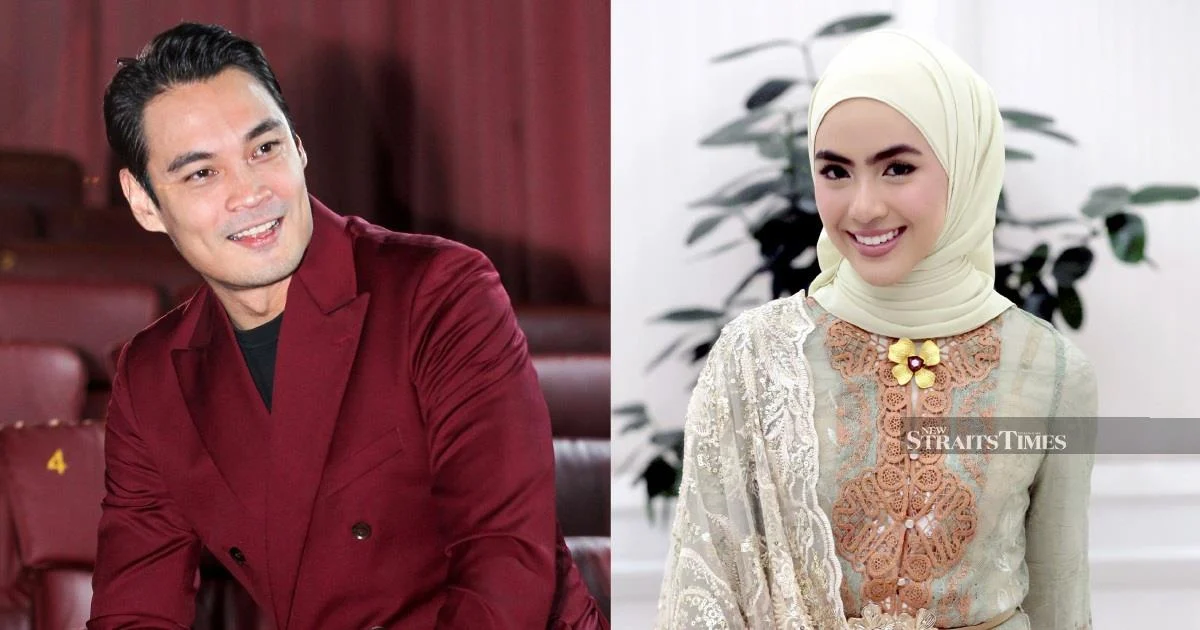
Actor Hisyam Hamid has moved to distance himself from rumours that have recently gained traction online, expressing frustration over allegations connecting him to a visit at the home of actress and colleague Erysha Emyra. The speculation, which surfaced and gained momentum through the Threads social media platform, prompted the seasoned performer to issue a public statement denying any basis for the claims.
The emergence of such gossip reflects an increasingly common pattern within Malaysia's entertainment ecosystem, where unverified stories can rapidly circulate across digital platforms and generate substantial public discourse within a matter of hours. The speed and reach of viral content on social media platforms like Threads have created an environment where celebrities frequently find themselves navigating unfounded allegations that can potentially damage professional relationships and personal reputations.
Hisyam's response underscores the particular vulnerability of industry professionals to rumour-mongering, particularly when the allegations involve suggestions of impropriety or private encounters. In a highly interconnected entertainment sector where actors frequently collaborate on film and television projects, personal interactions between colleagues are inevitable. However, the leap from professional association to intimate rumour represents a significant escalation in speculation that can contribute to considerable distress for those targeted.
The incident highlights broader concerns regarding digital literacy and responsible content sharing among social media users. Threads, as a text-based platform designed to facilitate conversation and discourse, has become a vehicle for rapid dissemination of unverified claims without adequate fact-checking mechanisms or friction to slow the spread of potentially harmful misinformation. The absence of established editorial standards or verification processes means that baseless allegations can achieve viral status before accurate information can emerge to counter them.
For Malaysian entertainment figures, the stakes associated with reputation management have intensified considerably in recent years. Beyond the immediate emotional toll of defending oneself against false claims, such rumours can influence casting decisions, brand partnerships, and public perception in ways that extend well beyond the initial controversy. The pressure to respond publicly versus maintaining dignified silence presents a genuine dilemma for affected individuals attempting to navigate an increasingly adversarial media landscape.
The incident between Hisyam and the viral rumour also reflects deeper questions about celebrity privacy in an era of unprecedented surveillance and documentation. Professional actors working within a relatively tight-knit industry will inevitably maintain working relationships and occasional social contact with colleagues. The public's appetite for romantic speculation, combined with algorithmic amplification of sensational content, transforms routine professional interaction into fodder for elaborate conjecture.
Erysha Emyra's position in this situation deserves consideration as well. Female performers in Malaysian entertainment frequently encounter heightened scrutiny regarding their personal lives and social interactions, with such rumours potentially carrying greater reputational consequences than those faced by male counterparts. The gendered dimensions of gossip and speculation in entertainment journalism remain an important but often underexamined aspect of how celebrity narratives develop and persist.
Hisyam's explicit characterisation of these claims as baseless represents a direct and unambiguous denial, suggesting he felt compelled to address the matter rather than allow speculation to develop unchecked. This approach, while common among those seeking to control their public narrative, also raises questions about the effectiveness of public denials in an information environment where initial framing often proves more memorable than subsequent corrections.
The broader implications for Malaysia's entertainment industry touch upon questions of professional conduct, digital responsibility, and the establishment of norms around how unverified allegations should be treated. Industry bodies and media organisations continue wrestling with appropriate responses to viral gossip, balancing freedom of discourse with ethical obligations to refrain from amplifying potentially damaging misinformation about identifiable individuals.
Moving forward, this incident may prompt reflection among entertainment professionals and social media users regarding the consequences of engaging with and sharing unverified claims. Whether such moments catalyse meaningful change in how Malaysian audiences approach celebrity gossip remains uncertain, but the cumulative effect of repeated incidents may eventually shift cultural expectations around digital responsibility and respect for public figures' right to privacy.

