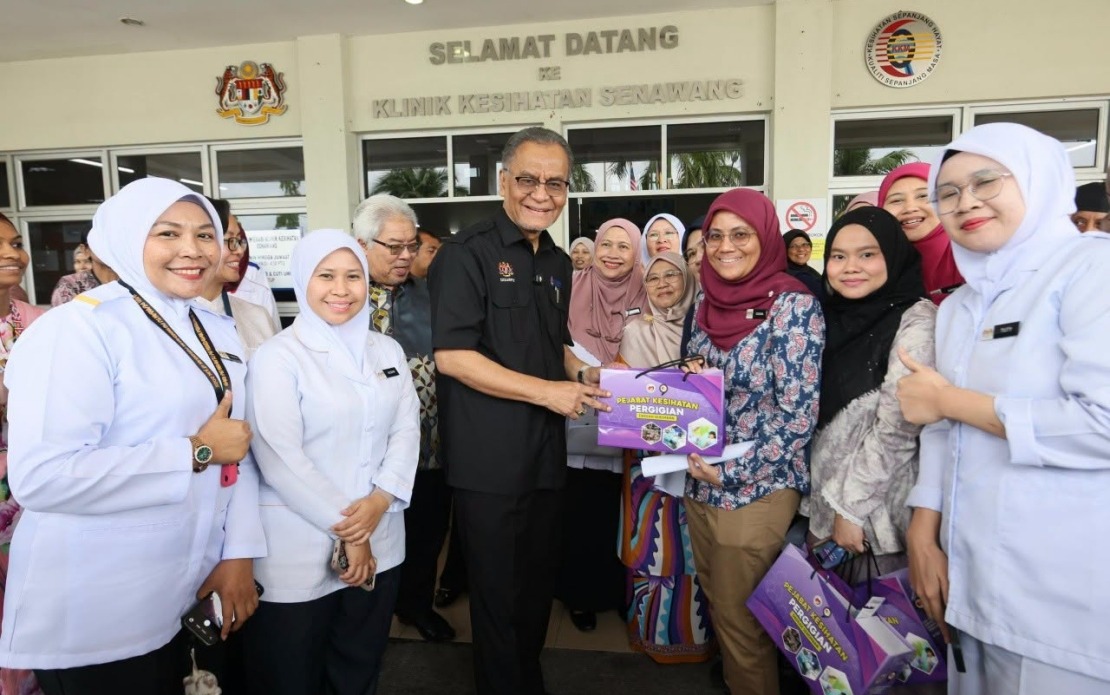
The Health Ministry has committed RM805,700 towards strengthening operations at Senawang Health Clinic in Seremban, marking a significant investment in primary healthcare infrastructure for the Negeri Sembilan community. Health Minister Datuk Seri Dr Dzulkefly Ahmad announced the allocation will be split between the main health clinic and its dental division, with each facility receiving targeted improvements designed to address operational constraints and service quality.
The funding framework designates RM588,400 for the primary health clinic operations, whilst the dental division will receive RM217,300 to facilitate comprehensive renovation and equipment procurement. This distribution reflects the distinct requirements of each service area, with funds earmarked for structural repairs, facility upgrades, and acquisition of both clinical and administrative resources necessary for day-to-day functioning.
Among the tangible improvements expected from this investment is a complete overhaul of the dental clinic's physical infrastructure. The facility will undergo substantial building upgrades aimed at enhancing patient comfort and creating a more welcoming environment for those accessing dental services. These environmental improvements are recognised as crucial factors influencing patient satisfaction and treatment compliance in primary healthcare settings.
The allocation further prioritises the procurement of modern diagnostic equipment, specifically a new ultrasound machine that will expand the clinic's investigative capabilities. This acquisition represents a meaningful upgrade to the facility's technical capacity, enabling healthcare providers to conduct advanced imaging assessments on-site rather than referring patients to distant secondary care centres. For a clinic serving a catchment population of over 220,000 residents, such diagnostic enhancement directly improves accessibility and reduces wait times for imaging services.
Transportation constraints affecting field operations will be addressed through the purchase of two additional vehicles. Healthcare personnel conducting community outreach, home visits, and mobile clinics face significant mobility challenges with ageing transport infrastructure. The new vehicles will enable field teams to reach remote populations more effectively and maintain regular contact with patients requiring continuity of care or health monitoring in their home environments.
Senawang Health Clinic functions as a critical access point for primary healthcare across a densely populated service area. The facility currently manages approximately 1,000 patient visits daily, demonstrating its importance as the first contact point for residents seeking medical attention, preventive services, and health promotion activities. This substantial patient volume underscores why operational efficiency and resource adequacy are essential to maintaining service quality.
The clinic's role extends beyond conventional curative medicine to encompass preventive healthcare, chronic disease management, maternal and child health services, and immunisation programmes. As the primary healthcare gateway for the community, the facility shoulders responsibility for triaging patients, managing common conditions, and coordinating referrals to specialist services when necessary. Adequate resourcing directly impacts the clinic's capacity to fulfil these multiple functions effectively.
Minister Dzulkefly's announcement reflects the government's recognition that primary healthcare infrastructure requires sustained investment to meet rising demand and community expectations. The strategic allocation of development funds to facilities like Senawang demonstrates commitment to decentralising healthcare capacity and ensuring that essential services remain accessible to populations regardless of geographic location or economic status. This approach aligns with national healthcare policy emphasising the strengthening of frontline services.
For Negeri Sembilan residents, this investment translates into tangible improvements in healthcare delivery. Residents will benefit from upgraded facilities offering enhanced diagnostic services, improved patient amenities, and more reliable transportation for healthcare workers conducting field-based interventions. The modernisation of clinical equipment and infrastructure contributes to efficiency gains that ultimately reduce waiting periods and improve health outcomes.
The funding approval also carries implications for broader healthcare system resilience in the state. By strengthening primary care capacity at Senawang, the investment reduces unnecessary pressure on secondary and tertiary care facilities whilst simultaneously improving disease detection and early intervention at the community level. This preventive orientation helps control healthcare costs across the system whilst supporting long-term population health improvements.
The timing of this allocation reflects budgetary priorities within the Health Ministry's developmental framework. As primary healthcare facilities continue absorbing increasing patient loads due to population growth and ageing demographics, targeted investments in infrastructure and equipment become essential for preventing service degradation. The Senawang facility's substantial daily patient volume justified prioritisation within the ministry's allocation schedule.

