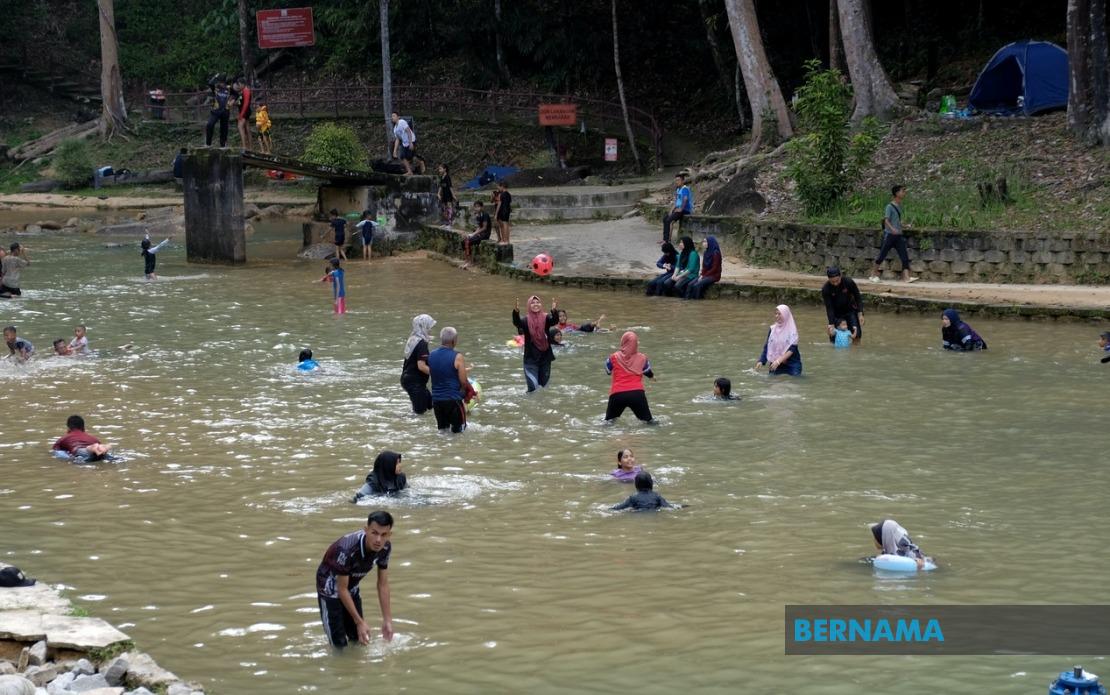
The Pahang State Health Department has launched an investigation into reports that multiple visitors to a recreational area near Bentong recently suffered acute gastroenteritis after bathing in a river. The development comes as health authorities work to determine whether environmental factors or contamination contributed to the reported illnesses, which included diarrhoea, vomiting and fever.
Initial findings from the department's risk assessment suggest limited grounds for alarm at this stage. According to officials, the existing disease surveillance system has not received any notifications about food poisoning outbreaks or unusual spikes in acute gastroenteritis cases in the affected region. This absence of systematic reporting does not definitively rule out localised incidents, but it indicates that the scope of the problem may be more contained than initial concerns suggested.
A critical step in the investigation involves environmental sampling. Raw water specimens were collected from multiple points along Sungai Benus in Janda Baik on June 14 and sent for microbiological laboratory analysis. These tests will examine water quality for bacterial, viral and parasitic contaminants that commonly cause waterborne illnesses. Results remain pending, and their findings will be essential in determining whether the river itself posed a health risk during the alleged exposure period.
The health department is implementing a multi-layered response strategy to contain any potential outbreak and identify its source. Active case detection efforts are underway in the community, with epidemiological investigators working to trace individuals who may have been exposed and establishing the timeline and location of exposure. Simultaneously, environmental assessments are being conducted at the recreational facilities themselves to identify sanitation deficiencies or infrastructure failures that might harbour pathogens.
Enhanced surveillance has been activated at both government and private healthcare facilities throughout the surrounding districts. This targeted monitoring system is designed to identify any clusters of acute gastroenteritis cases that may share epidemiological links to the Bentong recreational area. Should additional cases emerge with temporal and geographical connections to the incident, this enhanced detection capability will help authorities respond rapidly before the situation escalates.
Water quality assessment activities are proceeding in partnership with multiple government agencies tasked with environmental oversight. Investigators are examining potential pollution sources along the river corridor that might explain contamination. Such sources could include upstream sewage discharge, agricultural runoff, livestock operations, or inadequate waste disposal by other recreational facilities in the catchment area. Identifying these sources is crucial for implementing lasting control measures that prevent future incidents.
For recreational and hospitality operators in the region, the investigation underscores the importance of maintaining rigorous sanitation standards. The health department has reminded businesses that sanitation facilities, potable water supply systems and sewage infrastructure must comply with public health regulations and receive regular maintenance. Substandard conditions at accommodation premises and recreational sites create environments where waterborne pathogens can proliferate and spread to visitors. Operators who fail to meet these requirements face both health risks to their clientele and potential regulatory action.
Members of the public who participated in water-based activities at the recreational area and subsequently experienced gastrointestinal or febrile symptoms are being urged to seek medical evaluation promptly. Early diagnosis and treatment not only improve individual health outcomes but also provide epidemiologists with crucial data points that help map the extent of exposure. Healthcare workers have been briefed to maintain heightened awareness for relevant presentations and to report suspected cases to disease surveillance authorities.
The situation reflects broader public health challenges across Malaysia and Southeast Asia regarding recreational water safety. River and waterfall sites in rural and semi-rural areas often lack formal water quality monitoring, despite their popularity with local and tourist visitors. Inadequate infrastructure upstream, combined with seasonal variations in water flow and contamination patterns, creates conditions where outbreaks can occur sporadically and spread before detection. This case serves as a reminder of the importance of balancing recreational access with systematic environmental health protection.
Authorities have appealed to the public to avoid spreading unverified information that could cause unnecessary alarm. The Ministry of Health committed to releasing updates as laboratory results become available and epidemiological investigations progress. Public trust in health authorities depends on transparent, timely communication based on confirmed evidence rather than speculation. Officials emphasised that information should be sourced exclusively from official MOH channels to ensure accuracy.
The investigation outcome will carry implications beyond Bentong itself. Similar recreational areas throughout Pahang and neighbouring states may warrant proactive water quality assessments if this incident confirms environmental contamination. Lessons learned could inform revised guidelines for operators of riverside recreational facilities and inform public health priorities for resource allocation in environmental surveillance programmes across the region.