The Malaysian media industry is pausing to reflect on nearly a decade of collective achievement as a comprehensive photo exhibition opens at the HAWANA 2026 Summit in Butterworth, documenting the journey of the National Journalists' Day celebration and the human stories behind its flagship welfare programme. The gallery, unveiled ahead of tomorrow's summit at the PICCA Convention Centre @ Arena Butterworth, represents far more than nostalgic retrospection—it serves as a testament to the profession's commitment to supporting its own during times of hardship and serves as a visual record of how the industry has evolved its approach to mutual aid since the initiative's inception in 2018.
The exhibition divides attention between two complementary narratives. The first traces the institutional and celebratory dimensions of HAWANA itself, charting the evolution of the summit across its various host cities: Kuala Lumpur in 2018 and 2025, Melaka in 2022, Ipoh in Perak during 2023, and Kuching in Sarawak in 2024. This geographical progression underscores a deliberate strategy to rotate the celebration across Malaysia's major regions, ensuring visibility and participation from the broader media community beyond the capital. The second segment of the exhibition shifts focus to the human element, presenting the faces, circumstances, and triumphs of individuals who have benefited from Tabung Kasih@HAWANA, the fund established to provide financial relief to journalists and media veterans facing serious health challenges or personal crises.
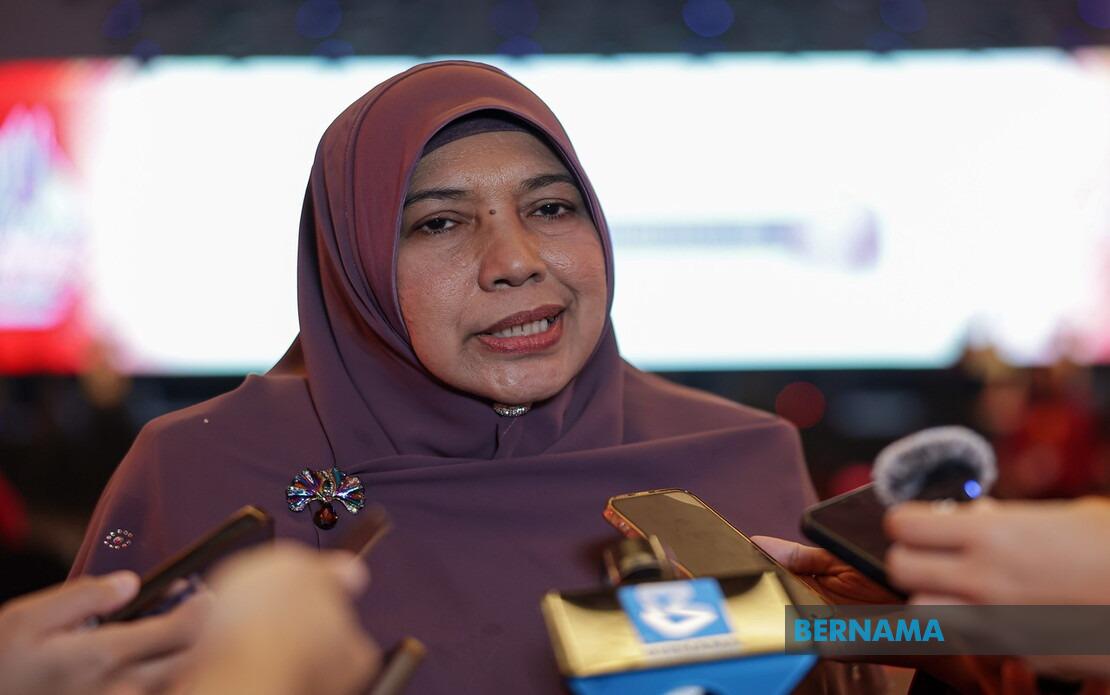
According to Datin Paduka Nur-ul Afida Kamaludin, chief executive officer of Bernama and chair of the HAWANA 2026 Working Committee, this exhibition fulfills a crucial communicative function that has long remained unspoken. While Bernama operates as the secretariat for both Tabung Kasih@HAWANA and the summit itself, much of that work has proceeded quietly, without fanfare or public acknowledgment. The gallery inverts that dynamic, bringing behind-the-scenes support structures into the spotlight and demanding recognition for an institution that has systematically cushioned vulnerable members of the profession when the industry's economic uncertainties strike hardest.
The curation itself merits consideration as deliberate editorial choice. Mohamad Bakri Darus, editor of Bernama's Photo Desk, disclosed that the selection process involved careful deliberation by the Bernama team, with each photograph paired to bilingual captions in Malay and English. This linguistic accessibility reflects an understanding that HAWANA's reach extends across Malaysia's diverse media ecosystem, and that the exhibition's messages about industry solidarity require clarity regardless of a visitor's primary language. The bilingual approach also symbolizes the inclusive ethos of the celebration itself, which positions itself as a nationwide gathering rather than an English-speaking or Malay-speaking affair.
The programmatic content showcased throughout the exhibition reveals the multifaceted nature of HAWANA's engagement with the journalism profession. The Strategic Partner Meeting provides institutional space for formal dialogue among news organizations, regulatory bodies, and industry stakeholders. The Media Forum delivers a platform for policy discussion and professional development. The HAWANA-DBP Pantun Festival—a collaboration with Dewan Bahasa dan Pustaka—connects media practitioners to Malaysia's literary traditions and cultural heritage. The HAWANA Carnival and Exhibition transforms the summit into a social occasion, drawing families and colleagues while maintaining professional networking opportunities. HAWANA Sports introduces elements of physical competition and teamwork, reinforcing the camaraderie that underlies the profession's self-help mechanisms.
For Malaysian journalists and news practitioners, this exhibition arrives at a moment when the profession confronts genuine economic pressures. Digital disruption has eroded advertising revenue streams that once supported newsrooms, forcing consolidations and downsizing that have left individual journalists more vulnerable to sudden financial crises from illness or injury. Tabung Kasih@HAWANA exists precisely because the profession recognizes that individual journalists lack the institutional safety nets available to practitioners in other fields. A freelancer's diagnosis with serious illness or a veteran correspondent's stroke can eliminate income immediately, threatening housing, medical treatment, and family stability. The fund and the celebration that sustains it represent a counterweight to market logic, asserting that professional community carries obligations that transcend profit motives.
Datin Paduka Nur-ul Afida emphasized that the exhibition's central message involves appreciation for the media's role in society and recognition of HAWANA's efficacy in delivering tangible assistance to colleagues facing acute difficulty. She positioned the gallery as educational outreach, informing the broader public and the journalism community itself about how the initiative has functioned as a practical mechanism for welfare delivery rather than merely symbolic gesture. This educational dimension carries significance for newsroom morale and profession-wide perception; when journalists understand concretely that colleagues in crisis receive concrete support from the fund, it reinforces professional identity and loyalty even as the economic model of journalism shifts beneath their feet.
The choice of Butterworth as the venue for 2026 continues HAWANA's geographical dispersal strategy, extending recognition beyond Malaysia's traditional media centers. Butterworth, as part of the Penang metropolitan region, represents a significant media market with substantial television, newspaper, and online news operations. Hosting the summit there acknowledges these regional journalists' contribution to Malaysia's information ecosystem and ensures that the celebration maintains connection to practitioners who might otherwise feel peripheral to Kuala Lumpur-based proceedings. The location also facilitates attendance by journalists from neighboring states, expanding the summit's reach into Malaysia's northern corridor.
The exhibition's existence as a permanent installation accompanying the summit suggests that the organizing committee has moved beyond treating such events as ephemeral annual gatherings. By preserving photographic documentation and presenting it in deliberate curatorial context, HAWANA 2026 transforms itself into a historical record and an ongoing statement about the journalism profession's values. Future participants and observers will encounter this exhibit and understand HAWANA not as an isolated annual celebration but as an institution with historical depth, geographic reach, and demonstrated capacity to improve individual journalists' lives. In that sense, the photo gallery functions as institutional memory-making, encoding the profession's commitment to solidarity into visual form.
As Prime Minister Datuk Seri Anwar Ibrahim is scheduled to officiate the summit tomorrow, the exhibition also signals the profession's positioning within Malaysia's broader governance and civic structures. The photographic narrative of HAWANA becomes, implicitly, a case study in how professional communities can organize mutual support while maintaining collaborative relationships with government institutions. The presence of high-level political participation in the summit suggests that the government recognizes journalism and media practitioners as stakeholder groups meriting formal recognition and engagement, even as the profession itself maintains editorial independence from political influence. The exhibition thus documents not merely internal professional celebration but the profession's interface with state structures and public recognition.

