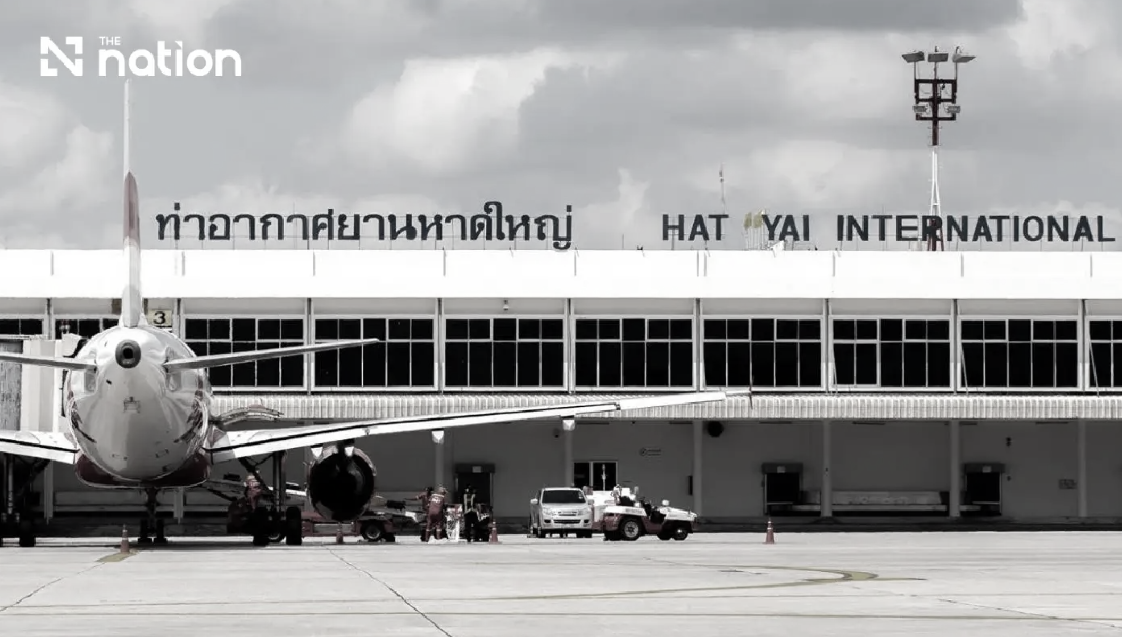
Hat Yai International Airport in southern Thailand shut down its primary landing strip for several hours on Wednesday afternoon following an accident involving an airport fire engine, resulting in the diversion of multiple inbound aircraft and widespread disruption to passenger services during the height of afternoon flight operations.
The incident forced the airport to issue a Notice to Airmen, technically known as a NOTAM, declaring Runway 26 unavailable between 1.55pm and 4.30pm on June 17. This timeframe reflected airport management's assessment of the time needed to secure the affected area and conduct necessary safety protocols before resuming normal operations. The decision underscored the rigorous safety standards that govern airport operations across Southeast Asia, where even minor incidents on active runways trigger immediate closures to prevent catastrophic collisions.
Flightradar24, the popular aircraft tracking platform, captured evidence of the disruption showing at least two commercial services being rerouted during the afternoon period. Thai Airways flight TG263 and Thai Lion Air flight SL712 were both diverted to Krabi Airport, located approximately 150 kilometres northwest of Hat Yai. This alternative routing, while necessary for safety, extended passenger journeys and created logistical complications for ground handling and onward connections.
The fire engine accident itself remains incompletely documented in public disclosures, with Hat Yai Airport authorities providing minimal detail regarding the circumstances of the incident. When contacted by concerned relatives of passengers aboard the diverted flights, airport officials acknowledged an emergency situation but refrained from elaborating on specifics. This measured communication approach is standard practice at major airports, which typically reserve detailed incident analysis for formal accident investigation reports released after preliminary findings are completed.
For passengers holding tickets on affected services, the disruption created considerable uncertainty. Airline personnel advised travellers to monitor real-time updates from their carriers, as flight plans remained subject to change throughout the closure period. Those with connections at Hat Yai faced particular challenges, as rebooking onto alternative services or arranging ground transportation to Krabi required rapid decision-making with incomplete information about when normal runway operations might resume.
The closure highlights the vulnerability of single-runway operations at regional airports, particularly during peak travel periods. Hat Yai, serving Thailand's southern region and drawing passengers from neighbouring Malaysia, regularly operates at high capacity during school holidays and tourism seasons. The temporary loss of Runway 26 effectively eliminated the airport's ability to accept landing aircraft, creating a bottleneck that forced every arriving flight to find alternate destinations. For airlines operating tight schedules with limited aircraft availability, such diversions create cascading delays across their entire network.
Thailand's aviation infrastructure, while generally reliable by Southeast Asian standards, occasionally encounters operational challenges that ripple across the region. Hat Yai Airport's strategic location near the Malaysian border makes it a crucial connection point for passengers travelling between southern Thailand and Malaysia's northern states. Disruptions there invariably affect traffic at competing gateways like Penang International Airport and Kuala Lumpur International Airport, as airlines adjust routing to manage unexpected constraints.
The diversion of passengers to Krabi Airport introduced its own complications. While Krabi possesses adequate runway capacity and handling facilities, the airport operates on a different schedule and with different ground service providers than Hat Yai. Passengers accustomed to Hat Yai's domestic terminal facilities found themselves navigating an unfamiliar layout, potentially missing ground transportation, hotel connections, or onward journey arrangements made specifically for Hat Yai's geography. Thai Airways flight TG263, despite successfully landing at Krabi, left its passengers stranded approximately 150 kilometres from their originally intended destination.
Airport safety protocols, while occasionally creating inconvenience for passengers, represent essential safeguards against far more serious incidents. Fire equipment on airfield perimeters requires regular deployment and maintenance testing, and accidents involving such vehicles, though rare, can scatter debris across runway surfaces or create hazardous conditions that compromise aircraft operations. The airport's decision to implement a three-hour closure rather than risk landing aircraft on a potentially compromised surface reflects this appropriate prioritisation of safety over schedule adherence.
The incident serves as a reminder that modern air transport, despite its overall safety record, remains dependent on the flawless functioning of ground support systems and infrastructure. Malaysian travellers frequently transiting through Hat Yai to reach Thai destinations should remain cognisant that operational disruptions, even brief ones, can substantially impact travel plans. Airlines and airports increasingly provide real-time notification through multiple channels, yet passengers remain vulnerable to extended delays when runway closures force rerouting to distant alternate airports.
As Hat Yai Airport resumed normal operations following the afternoon incident, aviation authorities likely initiated a comprehensive review of the fire engine accident and any underlying factors that contributed to the mishap. Such investigations typically examine vehicle maintenance protocols, driver training, airfield marking visibility, and operational procedures governing ground vehicle movement near active or recently-vacated runways. The findings may prompt procedural adjustments or enhanced safety measures designed to prevent similar incidents.
For the travelling public, particularly those planning journeys through southern Thailand, the incident underscores the importance of building schedule buffers into itineraries that depend on regional airport connections. While Hat Yai typically operates smoothly, occasional disruptions remain an inherent characteristic of complex transportation infrastructure. Passengers who maintain flexibility regarding flight times and possess contingency options for onward travel arrangements prove far better positioned to weather unexpected airport closures than those with rigidly-scheduled connections.