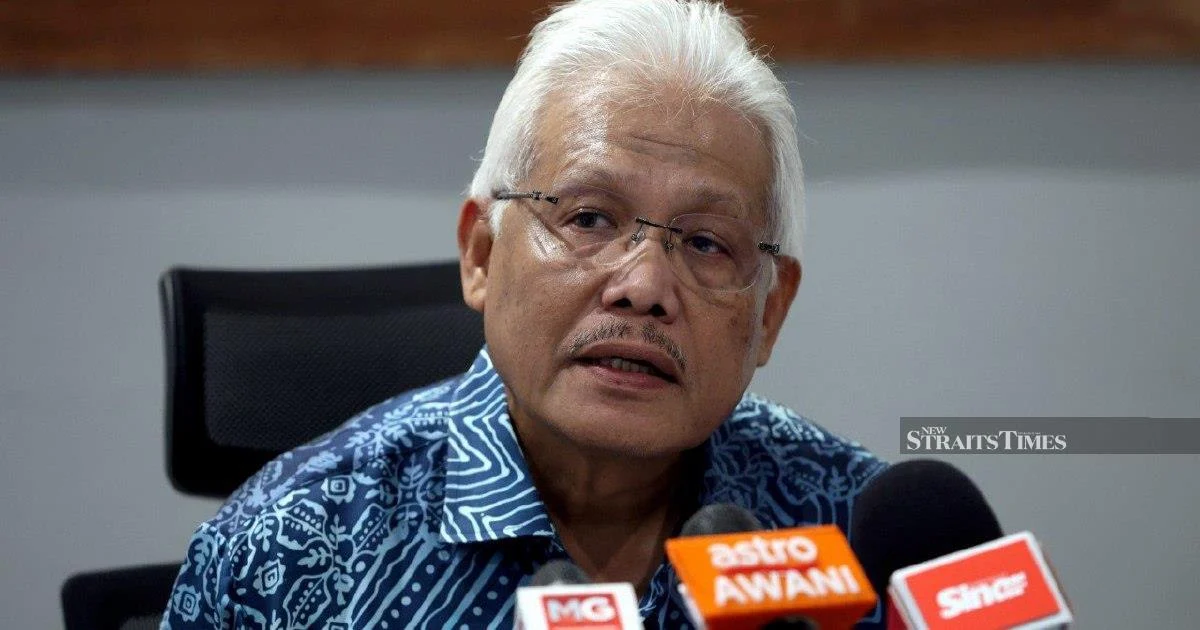
Parti Wawasan Negara, the recently renamed political formation formerly known as Parti Cinta Malaysia, has signalled ambitions to serve as an intermediary between two of Malaysia's most powerful Malay-based political parties. Under the leadership of Hamzah Zainudin, the party is presenting itself as a stabilising force capable of bridging the ideological and strategic differences that have increasingly strained relations between Pas and Umno, particularly following their joint governance of several states and the shifting alliances at federal level.
The timing of this intervention reflects genuine anxieties within Malaysia's political establishment about the sustainability of Malay-Muslim unity at a moment when both Pas and Umno harbour competing visions for how to represent their shared electoral base. The two parties have oscillated between collaboration and confrontation over the past decade, from their joint Muafakat Nasional framework to periods of acute rivalry that have destabilised coalition governments. Hamzah Zainudin's positioning of Parti Wawasan Negara as a bridge suggests recognition that fragmentation within Malay politics carries consequences extending well beyond internal party competition—it threatens the broader stability of Malaysia's political arrangements and governance capacity.
Pas, governed by its Islamic-focused conservative agenda, has consolidated significant support in rural Malay-majority constituencies and has become increasingly assertive in federal politics. Umno, historically the dominant Malay-Muslim party and long the backbone of federal government, faces pressure from electoral erosion and internal challenges to its traditional dominance. This asymmetry creates fundamental friction: Pas views itself as ascendant and unapologetic about advancing specific Islamic policy priorities, whilst Umno seeks to recover ground and maintain its historical role as arbiter of national Malay interests. The resulting competitions over policy, resource allocation, and political direction have repeatedly threatened coalition stability.
Parti Wawasan Negara's proposal to function as mediator may reflect a pragmatic assessment that neither Pas nor Umno can achieve their strategic objectives without some accommodation with the other. Collectively, these two parties command the overwhelming majority of Malay-Muslim electoral support, making their cooperation essential for any stable federal government. Yet their operational relationship remains transactional rather than ideologically aligned, creating perpetual tension. An intermediary party with credibility among both camps could theoretically reduce misunderstandings and facilitate compromises that help preserve political stability without requiring either party to compromise core positions publicly.
However, the credibility and effectiveness of such mediation depends entirely on Parti Wawasan Negara's own standing. The party remains relatively small and peripheral in Malaysia's political hierarchy, giving it limited leverage or influence over either Pas or Umno. Hamzah Zainudin himself, whilst politically experienced, has not commanded the sort of unifying authority that would make either of these larger parties genuinely defer to his party's interventions. The rebranding from Parti Cinta Malaysia to Parti Wawasan Negara suggests an effort to refresh the party's image and expand its appeal, but substantive political impact requires more than symbolism.
The emphasis on preventing divisions harmful to ordinary Malaysians points to a broader governance argument that applies beyond purely Malay politics. Coalition instability directly undermines government capacity to deliver services, manage economic challenges, and implement policy coherently. When major political parties exhaust energy on internal rivalries and coalition management rather than governing, the consequences filter down to citizens through delayed infrastructure projects, inconsistent policy implementation, and reduced institutional effectiveness. This framing may resonate particularly among urban middle-class Malaysians who prioritise administrative stability over ideological positioning.
For Malaysian readers assessing this development, the practical implications remain uncertain. If Parti Wawasan Negara successfully establishes itself as a respected interlocutor between Pas and Umno, it could contribute meaningfully to political stabilisation. Conversely, if the party cannot build sufficient influence or credibility, its mediation efforts will be dismissed as peripheral. The trajectory will likely depend on whether Hamzah Zainudin can demonstrate tangible policy contributions, secure additional parliamentary representation, and cultivate genuine relationships with influential figures within both Pas and Umno leadership.
Regionally, Malaysia's internal political cohesion carries implications for Southeast Asia's largest Muslim-majority democracy and its role in regional affairs. Chronic coalition instability diminishes Malaysia's capacity to maintain consistent foreign policy positions, manage regional security challenges, and project influence in regional forums. Neighbouring countries monitor Malaysian political developments carefully, recognising that domestic instability can spill into regional dynamics. A successful mediation effort by Parti Wawasan Negara could contribute to broader political steadiness that benefits regional relationships.
The rebranding itself merits attention as a signal of broader strategic repositioning within Malaysia's political ecology. Moving from Parti Cinta Malaysia to Parti Wawasan Negara suggests a shift from emphasising particularistic national love to broader governance vision—a rhetorical shift that may appeal to constituencies wearied by divisive political competition. This language adjustment reflects astute understanding that mediation requires positioning oneself above purely partisan concerns, speaking instead to shared governance interests that transcend factional competition.
Ultimately, whether Parti Wawasan Negara successfully bridges Pas and Umno depends on factors beyond the party's direct control: the trajectory of electoral competition, the personnel occupying leadership positions in both larger parties, and evolving assessments within Pas and Umno about whether such mediation serves their respective strategic interests. The party's proposal nevertheless reflects an important dimension of Malaysian politics—the recognition that excessive fragmentation within Malay political representation carries costs that eventually affect all communities, and that mechanisms for managed pluralism within the dominant coalition remain essential to political stability.

