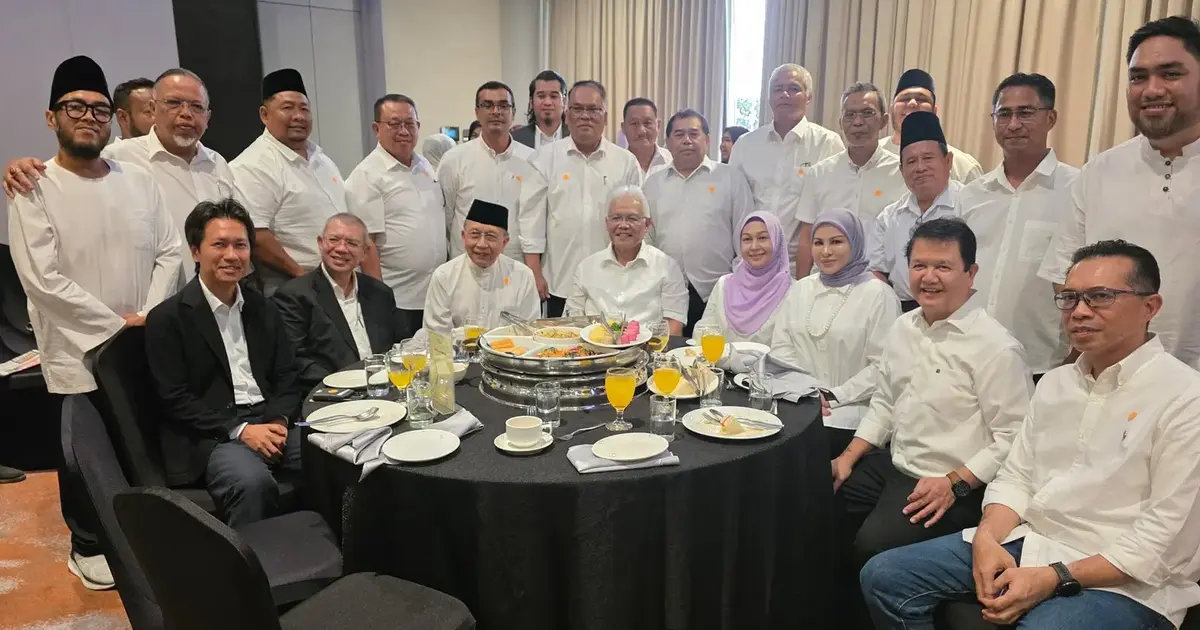
Hamzah's appointment as president of Wawasan marks a pivotal moment in the party's leadership structure, signalling a fresh direction for the political outfit amid the broader dynamics of Malaysia's political landscape. The elevation reflects the party's strategic positioning at a time when Malaysian politics continues to experience significant flux, with various coalitions and partnerships reshaping the electoral map across federal and state levels.
The appointment of Rais Yatim as chairman brings substantial experience to the organisation's governance. Yatim's extensive track record in Malaysian politics, including his tenure as a minister, provides institutional gravitas and continuity during what appears to be a period of organisational consolidation. His presence in the leadership hierarchy suggests an emphasis on drawing upon proven political networks and administrative expertise as Wawasan navigates its future trajectory.
Saifuddin Abdullah's assumption of the secretary-general post represents another layer of this reorganisation. As the MP for Indera Mahkota, Abdullah carries a constituency-level mandate that grounds the party's leadership in direct electoral representation. The secretary-general role typically carries significant responsibility for day-to-day party operations, membership management, and coordination between central leadership and grassroots structures—functions that benefit from a leader actively engaged in parliamentary and constituency affairs.
These appointments occur within the context of Malaysian politics' current configuration, where parties frequently recalibrate their leadership to respond to electoral pressures, internal factional dynamics, and shifting coalition opportunities. The timing and composition of this leadership team suggests Wawasan is positioning itself to compete effectively within this competitive environment, leveraging the combined strengths of its newly appointed office-holders.
For Malaysian political observers, Hamzah's elevation carries particular significance given his previous roles and the constituencies he represents within the broader political ecosystem. His presidency places him at the strategic apex of party decision-making, responsible for articulating the party's policy positions and directing its engagement with other political actors—whether within existing coalitions or in potential future arrangements that might emerge from Malaysia's fluid political conditions.
Rais Yatim's return to a formal organisational leadership position after his ministerial experience demonstrates how Malaysian politics frequently calls upon established figures to take on new responsibilities across different institutional frameworks. His appointment reflects a pattern where veteran politicians leverage their accumulated expertise and relationships to shape party strategy and enhance organisational credibility among both party members and the broader electorate.
The secretary-general appointment of Saifuddin Abdullah underscores the importance of connecting central party machinery with parliamentary representation. His dual responsibility as both party official and elected MP enables direct translation of constituency feedback into party policy discussions, whilst also ensuring that central party decisions receive rapid implementation at the local level where electoral competition ultimately determines political viability.
These structural changes arrive at a moment when Malaysian political parties must balance numerous competing demands: maintaining internal cohesion whilst adapting to electoral shifts, advancing policy agendas whilst managing coalition politics, and strengthening grassroots organisation whilst responding to national political developments. Wawasan's new leadership configuration suggests the party is taking deliberate steps to address these challenges through experienced leadership placement.
The broader implications for Malaysia's political system extend beyond Wawasan itself. When established parties undertake significant leadership reorganisations, these moves frequently signal strategic recalibrations that may influence coalition dynamics, electoral alliance possibilities, and the competitive landscape for upcoming electoral cycles. Other parties typically monitor such changes carefully, as they may presage shifts in political positioning that could affect existing partnerships or create new opportunities for realignment.
Regional considerations also merit attention. Malaysia's political developments carry implications for Southeast Asian democratic processes more broadly, particularly regarding how parties manage succession, maintain internal democracy, and respond to electoral pressures whilst preserving organisational stability. Wawasan's leadership changes contribute to the broader pattern of organisational adaptation visible across the region's political landscape.
Looking forward, the effectiveness of this new leadership configuration will depend on how well Hamzah, Rais Yatim, and Saifuddin Abdullah coordinate their respective responsibilities and whether they can unite the party around a coherent strategic vision. The success of these appointments will be measured not merely by internal party metrics, but by Wawasan's ability to influence broader political outcomes and maintain its relevance within Malaysia's complex coalition politics.
The appointment process itself reflects contemporary Malaysian political practice, where party constitutions and internal democratic procedures determine leadership selection. How smoothly this transition occurs, and whether it generates consensus or internal friction, will influence the party's operational effectiveness in the months ahead. For Malaysian political analysts, these appointments warrant close observation as potential harbingers of broader political movements.

