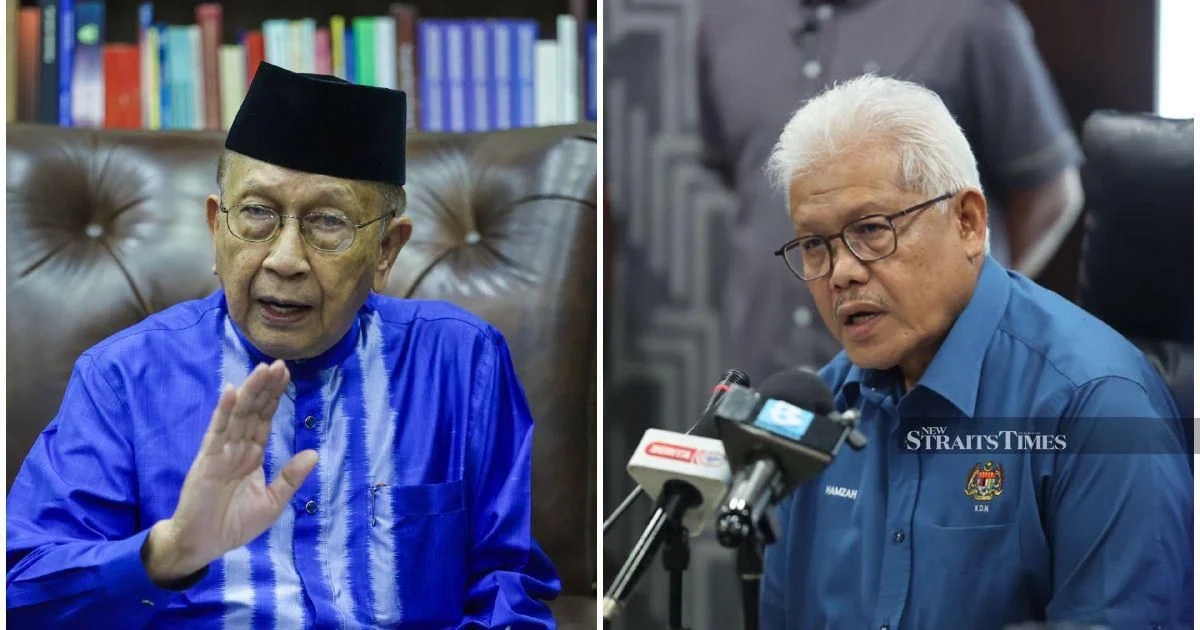
Parti Wawasan Negara has formally introduced its complete central leadership structure, signalling its intent to establish itself as a serious political force in Malaysia's increasingly fragmented electoral landscape. The announcement brings together a constellation of established political figures, former government officials, sitting parliamentarians, and professionals from various sectors, suggesting the new party's strategy to appeal across multiple constituencies and demographic groups.
The inclusion of veteran politicians in the party's upper echelon underscores Wawasan Negara's positioning as an alternative for experienced hands seeking a fresh political home. Such moves reflect a broader pattern in Malaysian politics where dissatisfied politicians from established parties have increasingly ventured into new political vehicles, particularly when they perceive limited advancement opportunities within their current party structures. The party's choice to blend seasoned operators with relative newcomers may also indicate an effort to balance institutional knowledge with a fresh approach to governance and policy-making.
The composition of the leadership team carries particular significance for regional politics. The involvement of both sitting MPs and former ministers demonstrates Wawasan Negara's capacity to draw talent from across the political spectrum, potentially threatening the vote-share calculations of established parties in targeted constituencies. For Malaysian voters accustomed to binary political competition, the emergence of a credibly-led alternative party fundamentally alters electoral dynamics, particularly in states where current party machines have faced erosion of support.
The professional component of the leadership line-up deserves specific attention, as it aligns with a growing voter preference for technocratic governance untainted by long careers in party politics. This approach mirrors strategies adopted by newer political movements elsewhere in Southeast Asia, where technical expertise and clean governance narratives have proven effective vote-getters, especially among urban and younger voter cohorts. The integration of professionals into party leadership may also signal Wawasan Negara's intent to distinguish itself through policy substance rather than relying solely on personality cults or traditional party machinery.
For Malaysian political observers, the announcement raises immediate questions about the party's specific policy platform and electoral strategy. Wawasan Negara must now translate its leadership credentials into concrete policy positions that resonate with voters beyond established party loyalties. The party's success will depend not merely on assembling recognizable names but on articulating a compelling vision that addresses Malaysian voter concerns ranging from economic management to governance integrity and interethnic relations.
The timing of this leadership announcement also merits consideration within the broader context of Malaysia's political calendar and governance challenges. The country faces persistent economic pressures, demands for institutional reform, and electoral expectations that any credible political force must address. Wawasan Negara's leadership team, with its mix of parliamentary experience and professional credentials, will be expected to offer substantive alternatives to existing party proposals on these crucial matters.
Regionally, Malaysia's political experimentation with new party formations continues to influence broader Southeast Asian politics. The emergence of viable alternative parties challenges the traditional two-bloc systems that have dominated Malaysian politics for decades, potentially creating more fluid coalition possibilities and heightened political competition. For neighbouring countries monitoring democratic developments, Malaysia's willingness to accommodate new political entrants suggests a degree of institutional flexibility in managing political contestation, even as it complicates governance calculations.
The structural inclusion of both current MPs and former government figures in Wawasan Negara's hierarchy also suggests the party's confidence in its capacity to contest meaningful numbers of parliamentary seats. This implies not merely aspirational political positioning but genuine preparation for electoral competition, with leaders who understand parliamentary procedure, constituency dynamics, and the mechanics of government formation. Such practical political experience could prove decisive if Malaysia faces snap elections or if the party successfully increases its parliamentary representation.
Looking ahead, the effectiveness of this leadership structure will be tested through actual electoral performance and parliamentary conduct. Malaysian voters have demonstrated increasing sophistication in distinguishing between leadership announcements and genuine capacity to govern. Wawasan Negara must now prove that its leadership combination of veteran politicians, former ministers, sitting MPs and professionals can translate into policies that deliver tangible benefits and address the substantive governance challenges facing Malaysian society. The announcement represents only the starting point for establishing political credibility in an increasingly crowded and competitive Malaysian political space.

